What Are the Best Solar Power Systems for 2026?
Choosing among the best solar power systems for 2026 starts with a less exciting question: what must your system actually run? A home with daytime air-conditioning has different needs from one that relies on battery backup after sunset. Your recent electricity bills, roof orientation, local weather, and available installation space all matter. No system wins everywhere.
Amory Lovins, an energy analyst and co-founder of RMI, has said, “The cheapest energy is the energy you don’t use.” That principle is useful when comparing power solar options: insulation and efficient appliances can reduce the system size you need. Then compare panels by output, degradation rate, and warranty; assess inverters for compatibility and monitoring; and size batteries around essential loads rather than optimistic guesses. A clear installer proposal should show estimated annual production, equipment models, installation costs, and assumptions behind its savings forecast. Look closely at the fine print. Promised savings can shift when electricity rates, household habits, or weather differ from estimates.
The strongest systems are not always the ones with the highest headline efficiency. A compact roof may favor higher-output panels, while a household with frequent outages may value dependable storage and backup controls more. Ask how the system handles cloudy days, future repairs, and changing electricity use. Small details count, like where the inverter sits and whether its display is easy to read. One uncertainty remains: technology and prices can change quickly. A careful comparison beats a confident sales pitch.
Types of Solar Power Systems Available in 2026
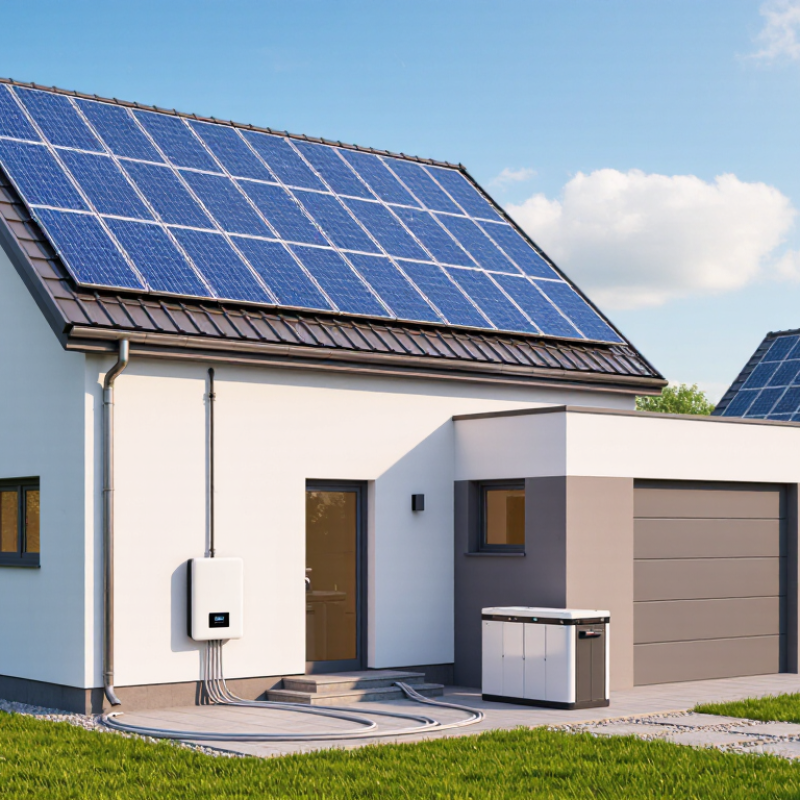
In 2026, most home solar systems fall into three categories: grid-tied, off-grid, and hybrid. A grid-tied system sends excess electricity to the local network and draws power from it when panels produce less, such as after sunset. It usually has no battery. During a grid outage, standard systems often shut down for safety unless backup equipment is installed. That detail is easy to miss.
Off-grid systems operate independently, pairing solar panels with batteries and usually a backup generator. They suit remote homes where connecting to the grid is impractical. Battery capacity matters: a cloudy stretch in winter can drain an undersized system. Picture a cabin with lights, a refrigerator, and a well pump running overnight. The loads add up quickly.
Hybrid systems connect to the grid and include battery storage, allowing households to keep selected circuits powered during some outages. They offer flexibility, but batteries add cost and require space, ventilation, and careful sizing. A hybrid setup is not automatically the best choice. A home with reliable grid service may need no battery at all. The categories can blur in real installations, so compare expected energy use, outage needs, roof conditions, and local utility rules with a qualified installer.
Types of Solar Power Systems Available in 2026
A comparison of common system configurations and their typical grid and storage capabilities.
Values show typical system characteristics: 1 means yes and 0 means no. Grid-tied systems normally shut down during an outage unless configured with suitable storage and isolation equipment. Hybrid systems can provide backup when designed with a battery and backup circuits; off-grid systems rely on storage because they are not connected to the utility grid. Actual designs vary.
How Solar Panels, Inverters, and Batteries Work Together
What Are the Best Solar Power Systems for 2026?
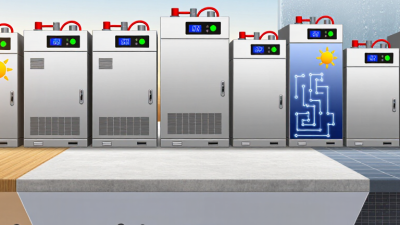
Solar panels, inverters, and batteries work as one energy system. Panels produce direct-current electricity when sunlight reaches the cells. The inverter changes that electricity into alternating current for household appliances. The U.S. Department of Energy explains that inverters can also help solar systems interact with the grid. That second job matters. A system is more than panels on a roof.
When midday production exceeds household use, a battery can store some excess electricity for evening hours. But stored energy is not returned perfectly. NREL’s 2024 Annual Technology Baseline uses 85% round-trip efficiency as a utility-scale battery benchmark; residential equipment can differ. In practical terms, a battery may return less energy than it took to charge. Check the system’s stated efficiency and usable capacity, not just its advertised size. A sunny roof still has cloudy days.
The components must also be sized and configured together. A mismatched inverter can limit output, while a battery may not support every appliance during an outage. Ask installers how the system handles peak loads, shading, and backup power. Watch the numbers. One assumption deserves a second look: adding more storage is not automatically better. Your evening use, local weather, and roof layout shape the fit. Even a tidy estimate can miss real-world habits.
Key Factors for Comparing Solar Power Systems
What Are the Best Solar Power Systems for 2026?
Key Factors for Comparing Solar Power Systems
A strong solar system fits your roof, energy use, and local weather—not just its quoted price. Compare usable panel output, inverter efficiency, warranties, and estimated production across a full year. The National Renewable Energy Laboratory’s 2024 cost benchmark separates equipment, labor, and other installation costs, showing why a low equipment price alone can mislead. Ask for itemized quotes and the assumptions behind each production estimate. Small details matter: a shaded chimney or a hot attic can change real-world performance.
Storage is useful when evening demand is high or outages are a concern, but batteries add cost and may not suit every household. Check usable capacity, power output, expected service life, and replacement terms. NREL’s review of photovoltaic system performance found a median module degradation rate near 0.5% per year. That is a broad benchmark, not a promise for every installation. An aging inverter, poor ventilation, or installation errors can also affect output.
Tips: Compare quotes using the same system size and annual electricity assumptions. Ask how shade, roof direction, and seasonal changes were modeled. Get the estimated first-year output in writing. Then check whether the warranty covers parts, labor, or both. A tidy estimate can still miss a practical issue—like scaffolding access or a panel that is hard to clean.
Best System Options for Different Homes and Energy Needs
The best solar system depends less on a headline wattage than on roof shape, daily usage, and when electricity is needed. A compact home with an unshaded south-facing roof may suit a grid-connected system without storage. Homes with several roof angles or regular shade can benefit from module-level power electronics, which help limit losses across the array. For context, the U.S. Energy Information Administration reported average residential electricity use of 10,791 kWh per customer in 2022. That is a benchmark, not a sizing rule; a home with electric heating can differ sharply.
Battery-backed systems make more sense for households that need backup power or use substantial electricity after sunset. A battery adds cost and may not cover every appliance for long. List essential loads first: a refrigerator, selected lights, internet equipment, and perhaps a medical device. Then ask installers to show estimated annual production and battery runtime using your actual roof, utility bills, and local weather. NREL’s PVWatts tool estimates solar production from location and system details, but its output is still an estimate.
Tips: Compare proposals using the same system size and assumptions. Check shade, roof age, inverter replacement terms, and whether the battery can power essential circuits during an outage. A polished forecast can still be wrong; winter clouds and future household changes are easy to underestimate.