Get Solar Qualified With Our Smart Calculator!
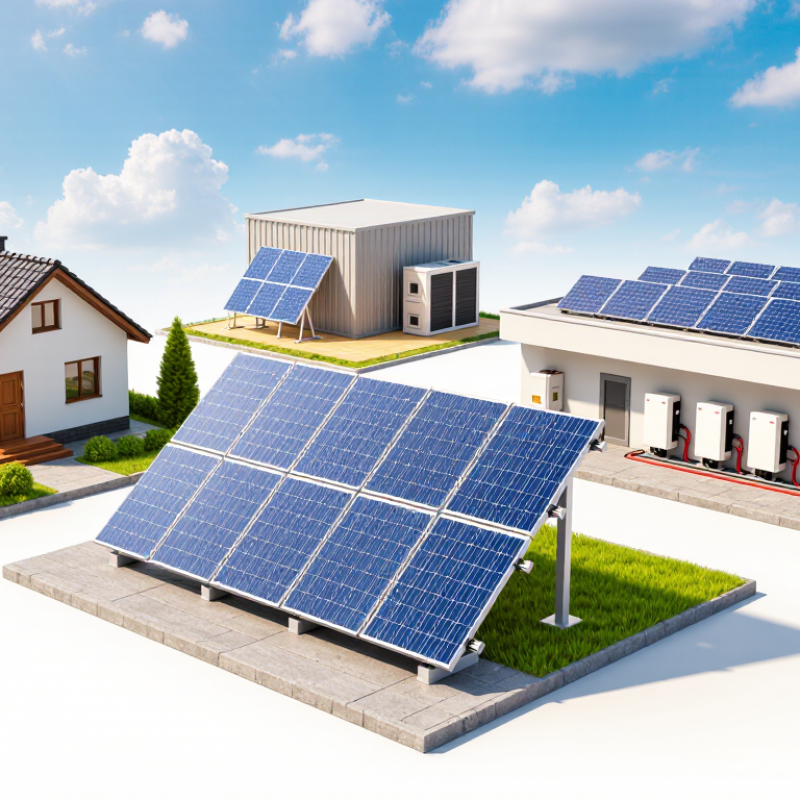
GET ESTIMATE!Choosing a power solar solution is not just a matter of comparing panel prices. Global buyers must match equipment to local sunlight, electricity demand, installation conditions, and service availability. A rooftop system for a family home has different needs from a commercial array or an off-grid installation. The details matter: roof angle, afternoon shade, inverter capacity, battery storage, and expected seasonal output can all affect performance.
Good options exist. The right choice depends on the site. Buyers can compare grid-connected systems, hybrid setups, and standalone solar solutions by reviewing their intended use, component quality, warranties, and maintenance needs. Ask suppliers for clear performance data and realistic production estimates, not only peak-power figures. Check how panels and inverters perform in heat, dust, or heavy rain, where relevant. Also confirm whether replacement parts and qualified technical support are accessible in your region.
No product suits every market. That is worth remembering. A lower upfront cost may mean fewer service options, while a larger battery may add expense without solving poor system design. Even careful estimates can differ from real-world results because weather and usage change. This guide explores leading power solar solution types and the factors global buyers should weigh before purchasing. It offers a practical starting point, not a substitute for a site assessment or independent technical advice.
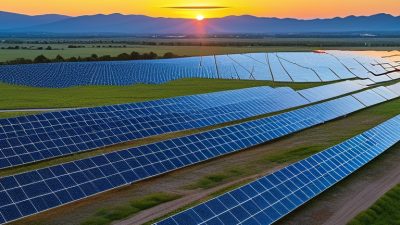
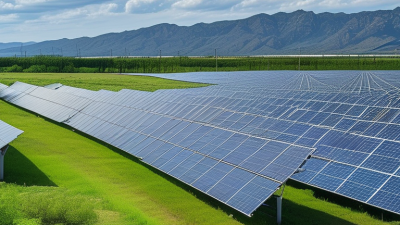
By the end of 2023, global solar photovoltaic capacity had reached 1,419 gigawatts, according to IRENA. That figure represents installed capacity, not the amount of electricity generated every hour. Sunlight varies by season, location, and weather. Still, the scale is striking. Across the world, solar panels now cover rooftops, factory grounds, and open fields.
For global buyers, this growth means more choice, but also more decisions. A system suited to a sunny, dry site may perform differently in a humid coastal region. Buyers should compare expected output, temperature tolerance, warranty terms, and access to replacement parts. Ask for yield estimates based on local weather data, not just ideal conditions. Small details matter. Even shading from a nearby water tank can reduce a rooftop system’s output.
Capacity growth alone does not guarantee affordable, dependable power. Grid connections, storage, financing, and maintenance all shape real-world results. IRENA’s figure offers useful context, but it cannot describe every local market. One limitation is easy to overlook: installed gigawatts do not show who can access the electricity or how consistently it is delivered. Buyers may need to weigh a lower purchase price against service support and long-term performance. I would not assume that the biggest system is always the best fit.
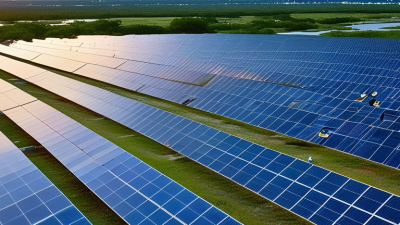
Utility-scale solar decisions should begin with delivered energy, not module wattage alone. A 600-watt module may reduce row counts, but annual output also depends on temperature, shading, degradation, and tracker design. Bifacial modules can improve yield on bright, reflective ground. Their advantage may shrink on dusty or poorly maintained sites. A proper comparison uses kilowatt-hours per installed kilowatt, measured across realistic weather conditions.
Land planning is equally important. A large project needs space for module rows, access roads, drainage, inverters, fencing, and future maintenance. Trackers can increase energy production, yet their turning radius may require wider spacing. Flat land is helpful, but flood risk can change the entire layout. I have seen early estimates look attractive until setbacks and soil work were included. That is why buyers should request a site-specific layout, not rely on a generic hectares-per-megawatt figure.
Tips: Ask for a full energy model, degradation assumptions, and temperature data. Compare net output after availability losses. Check the nearest substation, voltage level, export capacity, and interconnection timeline. Grid queues can delay construction more than equipment delivery. Study curtailment risk, reactive power requirements, and protection standards with an independent engineer. No solution wins everywhere. A slightly lower-output module may perform better when land, maintenance, and grid limits are considered together.
What Are the Top Power Solar Solutions for Global Buyers?
Rooftop Solar: Match System Size to Loads and Available Roof Area
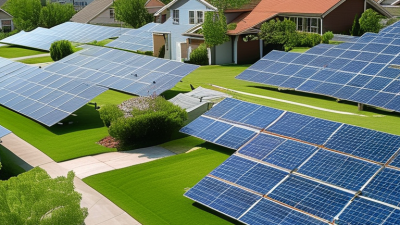
A rooftop system should follow real electricity demand, not a sales target. The IEA PVPS Trends in Photovoltaic Applications 2024 report recorded about 456 GW of new solar capacity worldwide in 2023. This rapid growth makes careful sizing more important. Review twelve months of utility bills, then map daytime loads such as cooling, pumps, and refrigeration. A home using 600 kWh monthly may not need the largest roof system. An oversized array can export valuable power when household demand is low.
Roof space creates another practical limit. Measure usable areas after excluding vents, chimneys, access paths, and shaded sections. Modern panels often require roughly 4–6 square metres per kilowatt, depending on efficiency and layout. A 6 kW system may therefore need around 24–36 square metres of clear roof. The exact yield depends on latitude, orientation, tilt, weather, and local grid rules. PVWatts guidance from the U.S. National Renewable Energy Laboratory supports location-based production estimates, but estimates remain imperfect. A neat spreadsheet can still mislead.
Tips: Compare hourly consumption with hourly solar production. Check roof age before installation. Leave safe maintenance access. Consider battery capacity only after identifying evening loads. Recheck shading in winter, when low sunlight can change the design. Small errors matter.
Global buyers are looking beyond solar panel output. They are asking how long stored energy will support real household or business loads. A reliable assessment starts with a load profile, not a brochure rating.
Measure lighting, refrigeration, pumps, communications, and heating separately. A 10 kWh battery may provide less usable energy after reserve limits and conversion losses. If essential loads consume 2 kW, four hours is a practical starting estimate. However, motors can create short surges that require additional inverter capacity. Small details matter.
Battery duration should match local outage patterns and weather conditions. One day of backup may suit a stable grid, while remote sites may need two or three days. Round-trip efficiency also affects operating cost. A system rated at 90% efficiency does not deliver every stored kilowatt-hour to the appliances. Temperature can reduce performance, too. Outdoor enclosures need suitable thermal management.
Do not size storage from an ideal sunny day. Clouds happen. Dust happens. I would rather accept a modest safety margin than promise uninterrupted power with weak data. Still, oversized batteries can increase cost without improving resilience. Review daily consumption, critical circuits, charging time, battery aging, and future demand before selecting capacity. The best solar-plus-storage solution is measurable, serviceable, and honest about its limits.
What Are the Top Power Solar Solutions for Global Buyers?
For global buyers, reliable solar solutions begin with disciplined document checks. IEC 61215 certification indicates that photovoltaic modules passed design and performance testing. IEC 61730 focuses on electrical and mechanical safety. These standards matter, but certificates should match the exact module model, factory, and production version. A familiar logo is not enough. Request the full certificate, testing laboratory details, and validity dates. Some documents look convincing while covering an older product.
The 25-year warranty also needs careful reading. Check whether it covers product defects, power output, labor, transport, or only replacement parts. Review the degradation schedule and the claim process. A strong warranty can become difficult if the seller requires unusual evidence or limits support geographically. Buyers should also inspect installation conditions, because poor mounting, salt exposure, and excessive heat may affect coverage. Small details matter.
Tips: Ask for independent test reports and recent factory quality records. Compare the serial number format with sample shipping documents. Keep every quotation, certificate, and email in one file. Do not rely on verbal promises. Even experienced buyers can overlook warranty exclusions during a rushed purchase. That is an uncomfortable mistake, but a useful one to prevent. A qualified local engineer should confirm compatibility with the site, grid requirements, and planned maintenance.
© 2025 All Rights Reserved