Why Choose Solar Panels in Florida for Your Home?
Choosing solar panels in Florida offers numerous benefits for homeowners. With over 300 sunny days each year, Florida is a prime location for solar energy. According to the Solar Energy Industries Association, solar installations in Florida have increased significantly, reaching over 10 gigawatts of capacity. This growth reflects a broader shift toward renewable energy solutions in the state.
Homeowners can save on electricity bills by investing in solar panels Florida. A recent study indicated that Florida homeowners can reduce their monthly energy costs by up to 90%. However, it’s essential to consider installation costs, which can vary. Some may find initial expenses daunting. Yet, federal tax incentives and state rebates can help offset these costs, making solar energy more accessible.
As solar technology advances, the efficiency of solar panels continues to improve. Homeowners must stay informed about the different options available. Not all panels are created equal, and understanding long-term performance is vital. Investing in quality solar panels can lead to long-lasting savings and environmental benefits.
Benefits of Solar Energy in Florida's Climate and Environment
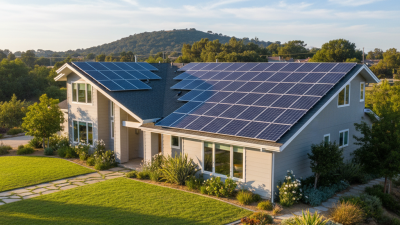
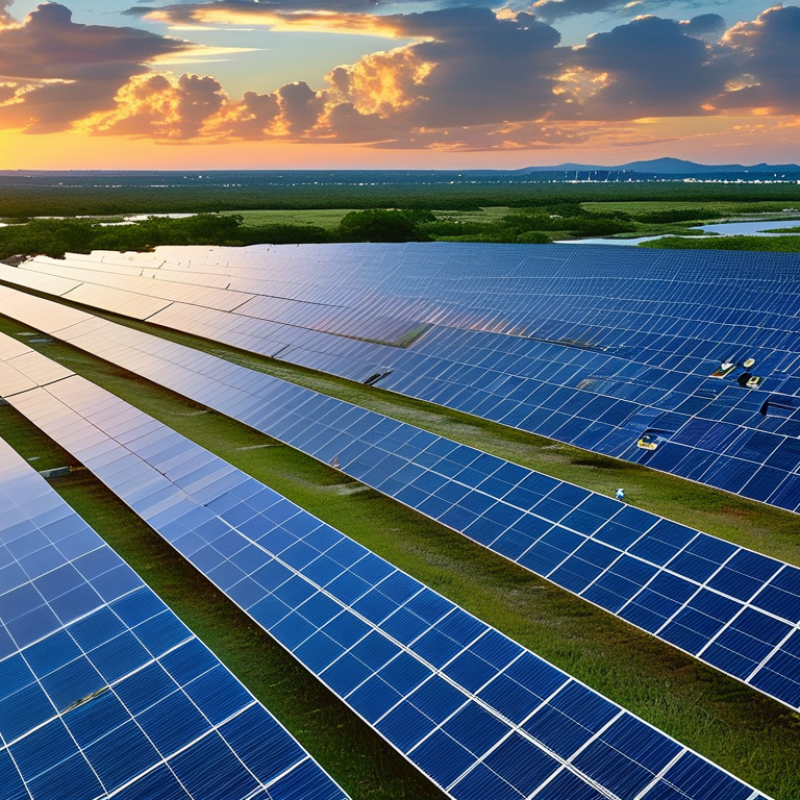
Florida's sunny climate makes it an ideal location for solar panels. The state's abundant sunshine can significantly reduce electricity costs. Homeowners can harness this natural resource to power their everyday lives. By using solar energy, families contribute to a cleaner environment.
Solar energy also enhances property value. Homes with solar panels often sell at higher prices. Yet, the initial investment can be daunting. It’s essential to weigh the long-term benefits against upfront costs. Some homeowners find it challenging to navigate financing options.
Furthermore, Florida faces environmental challenges like hurricanes and flooding. Solar panels can be installed securely to endure harsh weather. This resilience can protect your investment. However, not all installations are perfect; regular maintenance is necessary. Homeowners should align solar solutions with individual needs for maximum efficiency, ensuring a sustainable and thoughtful approach to energy use.
High Sunshine Hours: A Key Advantage of Florida for Solar Power
Florida is known for its exceptional sunshine, making it an ideal location for solar panels. The state receives an average of 237 sunny days each year. This abundant sunlight translates into high energy output from solar systems. According to the National Renewable Energy Laboratory, solar panels can generate up to 30% more energy in Florida compared to less sunny states.
The consistent sunshine allows homeowners to maximize their investment in solar technology. A report from the Solar Energy Industries Association indicates that Floridians can see a return on investment within five to seven years. This timeframe is significantly shorter than in areas with lower sunlight exposure. Installing solar panels can lead to substantial savings on energy bills while contributing to environmental sustainability.
However, it's essential to consider some challenges. Florida's summer storms can cause energy interruptions. Moreover, initial installation costs might be daunting for some homeowners. Therefore, conducting thorough research and planning is crucial. It ensures that residents can optimize their solar investments despite the potential hurdles. Ultimately, the high sunshine hours in Florida present a compelling case for choosing solar power for homes.
Financial Incentives and Rebates for Installing Solar Panels
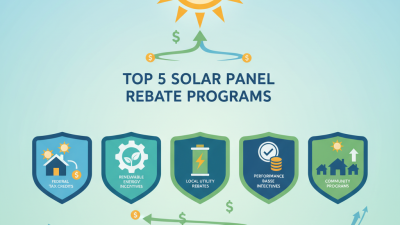
Installing solar panels in Florida comes with significant financial benefits. Homeowners can access various state and federal incentives that make the initial investment more manageable. For instance, the Federal Solar Investment Tax Credit allows you to deduct a substantial percentage from your federal taxes. This deduction directly reduces your overall tax liability, giving you more reasons to invest in solar energy.
Additionally, Florida provides various rebates and financing options. Many local utilities offer cash rebates for installing solar systems. These incentives vary by region but can substantially lower installation costs. Some homeowners may also qualify for low-interest loans, making solar more appealing. However, understanding the details can be challenging. Each program has specific requirements and eligibility criteria that must be met.
While the benefits are clear, the process can be daunting. Homeowners may feel overwhelmed by the paperwork and requirements. Moreover, finding reliable contractors becomes crucial to maximize these incentives. Researching local solar companies and reading reviews can save you time and money. Ultimately, balancing these challenges with the potential rewards is essential for making an informed decision.
Long-Term Savings: Solar Energy vs. Traditional Electricity Costs
Solar energy is a game changer for homeowners in Florida.
The long-term savings can be significant compared to traditional electricity costs.
With sunny days almost year-round, Florida provides an excellent environment for solar panels to thrive.
This means lower utility bills and a smaller carbon footprint for your home.
Consider your energy consumption habits.
Understand how much energy your household uses monthly.
This helps in choosing the right solar system to maximize savings.
Depending on your usage, you can often save thousands in electric bills over the years.
Also, keep track of local incentives.
Many cities and states offer tax credits or rebates, which can significantly reduce initial installation costs.
When contemplating solar, think about the investment.
While initial costs can be high, financing options are available.
Research and compare. Not all solar systems or installations are created equal.
Check reviews and ask for references to ensure reliability.
Remember: not everyone sees immediate results.
Some may feel uncertain at first. It's normal.
Patience can lead to substantial long-term benefits.
Environmental Impact: How Solar Panels Reduce Carbon Footprint in Florida
Solar panels offer numerous benefits for homeowners in Florida, especially in reducing the carbon footprint. Sunshine State residents can harness abundant solar energy, making it a practical choice. When homeowners install solar panels, they contribute to cleaner air by reducing reliance on fossil fuels. This is crucial, as fossil fuel consumption heavily contributes to greenhouse gas emissions.
Switching to solar energy can significantly diminish environmental impact. The typical solar panel system can save approximately 100 tons of CO2 emissions over its lifetime. This reduction is vital for improving air quality in Florida's cities. Moreover, people can enjoy lower energy bills while fostering a sustainable future.
Tips: Consider assessing your roof’s solar potential. A professional evaluation helps determine optimal panel placement. Don’t forget to review local incentives and tax credits. They can make your transition to solar more affordable. Inspect your system regularly to ensure efficiency and address any potential issues early on.