Get Solar Qualified With Our Smart Calculator!

GET ESTIMATE!

$0 Down, No Debt & No Payments for 12 Months, Power Up Smarter with New Solar Lease!

10 Tips for Choosing the Best Solar Panels for Your Home?

Choosing the right solar panels for your home can be daunting. With numerous options available, it’s essential to be informed. The effectiveness and efficiency of solar panels vary greatly. Every decision can impact your energy bills and overall sustainability.

When selecting solar panels, consider their quality, warranty, and energy output. Not all brands are created equal. Focus on panels with good efficiency ratings. Research is crucial. Understanding specific requirements helps you make informed choices.

Moreover, local climate and roof space play vital roles. Homeowners often overlook these factors. It’s essential to assess your unique situation carefully. Take the time to reflect on your energy needs and financial goals. With the right approach, you can choose solar panels that will serve you well for years ahead.
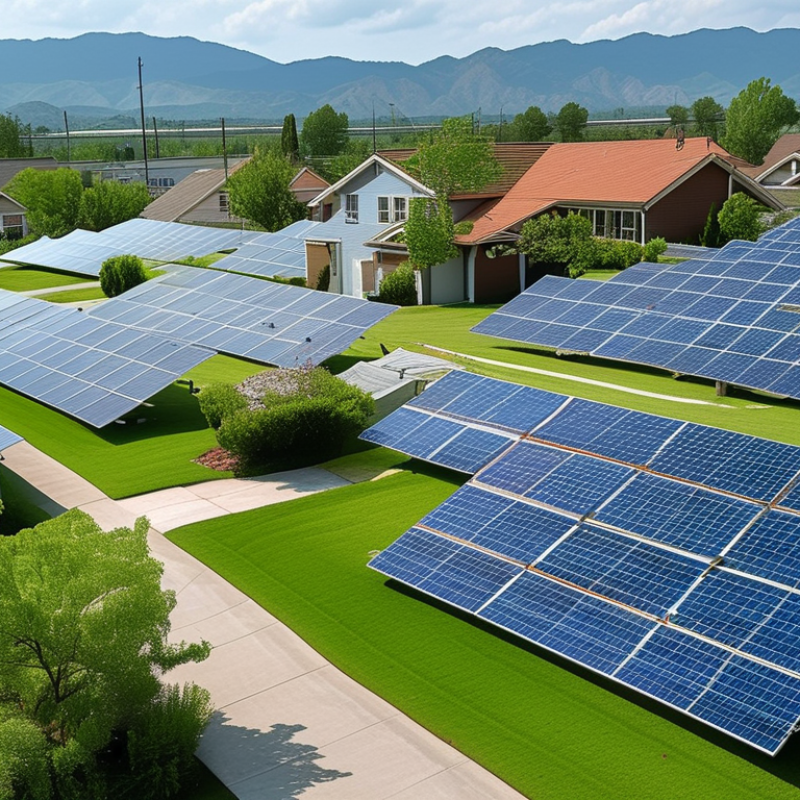
10 Tips for Choosing the Best Solar Panels for Your Home?

Understanding Your Energy Needs and Consumption Patterns

When it comes to solar panels, understanding your energy needs is crucial. Begin by calculating your average monthly energy consumption. This can be done by analyzing past electricity bills. Look at the kilowatt-hours (kWh) used each month. Make note of any patterns. Are there months when your consumption spikes? Maybe during winter or summer?

Next, consider your household size and lifestyle. More appliances and larger families often mean higher energy usage. Think about your daily habits. Are you home during the day or mostly out? If you’re not home, a smaller system might suffice. However, if you're using energy throughout the day, you may need a more robust solution.

Also, keep in mind future changes. Will your family grow? Are you planning to buy electric vehicles? Anticipating these changes can guide your decision better. Reflect on your energy consumption patterns over the past year. This can offer insights into required solar capacity. Balancing current needs with future requirements will help in choosing the best solar panels for you.

Evaluating Different Types of Solar Panels Available

When it comes to selecting solar panels for your home, understanding the different types is crucial. There are three main types: monocrystalline, polycrystalline, and thin-film solar panels. Each type has its unique features and benefits. Monocrystalline panels are known for their efficiency and durability. They are made from a single crystal structure, allowing for higher performance in limited space. However, their cost can be a drawback.

Polycrystalline panels are more affordable and easier to produce. With their distinctive blue hue, these panels are popular among many homeowners. While they are less efficient than monocrystalline panels, they still provide a great balance of performance and cost. It’s essential to consider your roof space and budget when evaluating these options.

Thin-film solar panels offer flexibility and lightweight characteristics. They can be installed on various surfaces but have lower efficiency compared to the other types. These may require more space for installation. It's vital to weigh these factors based on your specific needs.

Consider the warranties and expected lifespan as well. Always check the manufacturer's reliability. Reading reviews can provide insight into real-world performance. Choosing the right solar panel type significantly impacts your energy savings and environmental footprint. Don’t rush; take time to analyze and reflect on your choices.

Checking Solar Panel Efficiency Ratings and Warranties

When evaluating solar panels, efficiency ratings play a crucial role. Higher efficiency means more energy production from fewer panels. Most standard panels have efficiencies between 15% and 22%. Consider how this affects your overall energy needs. For instance, a small rooftop may not accommodate low-efficiency panels. So, look for panels with a strong performance in limited spaces.

Warranties also matter. Many manufacturers offer warranties ranging from 10 to 25 years. A longer warranty often indicates the manufacturer’s confidence in their product. However, read the fine print. Some warranties cover only certain aspects, like performance degradation. This is essential for long-term investment. Reflect on what a warranty means for you. It ensures that you’ll have support if issues arise. Properly understanding these aspects helps you make informed decisions, minimizing future regrets.

Researching Reputable Solar Panel Manufacturers and Brands

When considering solar panels for your home, it's crucial to research reputable manufacturers. The solar industry has seen rapid growth, with a report from the International Energy Agency indicating a 22% global increase in installations last year. As a homeowner, identifying credible brands is essential. Look for manufacturers that have been in the industry for over a decade. Longevity often correlates with quality and reliability.

Reading customer reviews is important too. TrustPilot shows that highly-rated solar manufacturers have fewer than 5% negative feedback. Investigate warranties offered by different companies. A solid warranty usually ranges from 20 to 25 years, reflecting a manufacturer's confidence in their product. Additionally, consult industry reports from organizations such as the Solar Energy Industries Association. These documents offer insights into the most trusted brands based on performance data.

While researching, be aware of discrepancies in panel efficiency ratings. Some manufacturers might inflate figures to appear more attractive. Understanding actual performance versus advertised claims can save you from future issues. It’s also wise to check for certifications that comply with local and international standards. This step ensures the panels meet safety and performance benchmarks, reducing risks associated with subpar products.

10 Tips for Choosing the Best Solar Panels for Your Home

Tip Description Key Considerations
1. Research Solar Panel Types Understand the differences between monocrystalline, polycrystalline, and thin-film panels. Efficiency, cost, and space requirements.
2. Check Efficiency Ratings Look for panels with a high efficiency rating, indicating better performance. Higher efficiency often means higher costs.
3. Consider Warranty Offers A longer warranty can indicate better quality and reliability. Standard warranties range from 10 to 25 years.
4. Evaluate Manufacturer Reputation Research the manufacturer’s background and years in business. Look for customer reviews and ratings.
5. Review Certifications Ensure the panels comply with industry standards and certifications. Look for certifications like IEC, UL, and others.
6. Compare Prices Get quotes from different suppliers to find competitive pricing. Balance cost with quality and efficiency.
7. Investigate Installation Options Understand different installation methods and their implications. Consider professional installers vs. DIY.
8. Explore Financing Solutions Look into loan and leasing options available for solar panels. Determine upfront costs vs. long-term savings.
9. Understand Local Regulations Be aware of any local laws or incentives for solar panel installation. Research permits and any potential tax benefits.
10. Seek Professional Advice Consult with solar energy experts to make informed decisions. Consider a detailed energy audit of your home.

Considering Installation Costs and Financing Options

When choosing solar panels for your home, understanding installation costs and financing options is crucial. The average cost of solar panel installation in the U.S. ranges from $15,000 to $25,000, depending on system size and location. This significant investment requires careful consideration of available financing. Many homeowners opt for loans, leases, or power purchase agreements (PPAs). Each option has distinct advantages and potential pitfalls.

Evaluating your budget is vital. For instance, if you decide to finance with a loan, expect monthly payments that can vary significantly. Interestingly, data from the National Renewable Energy Laboratory shows that 70% of homeowners report lower bills after installing solar panels. This can ease the financial burden over time. However, financing can sometimes lead to higher overall costs if not managed well.

Tip: Investigate available incentives. Many states offer tax credits or rebates. These can offset installation costs significantly. Additionally, comparing multiple quotes can reveal significant savings opportunities. Remember to consider long-term maintenance costs as well, as some systems require more upkeep than others. It’s essential to analyze all aspects before committing to ensure your investment pays off.

Comparison of Solar Panel Efficiency Ratings

Scroll to Top