Why Choose DIY Solar for Your Home Energy Needs?
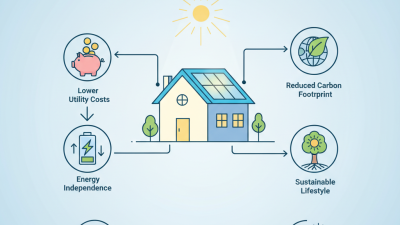
As the demand for renewable energy grows, many homeowners are considering DIY solar solutions. Reports indicate that over 3 million homes in the U.S. now utilize solar energy, a number that continues to rise. The potential savings are compelling; studies show that homeowners can save between $10,000 to $30,000 on energy costs over 20 years with DIY solar systems.
Choosing DIY solar can be empowering. It provides homeowners with control over their energy-producing assets. Many people find that installations can be completed in a weekend with minimal skills. However, while DIY options are appealing, they require research and planning. It is essential to understand local regulations and tax incentives.
Homeowners should also evaluate the initial costs and available equipment. Installing your solar can lead to challenges. Mistakes may happen, potentially leading to diminished efficiency. Reflecting on these factors is crucial. DIY solar is not just about installation; it is about sustainability and savings in the long run.
Benefits of DIY Solar Energy Systems for Homeowners
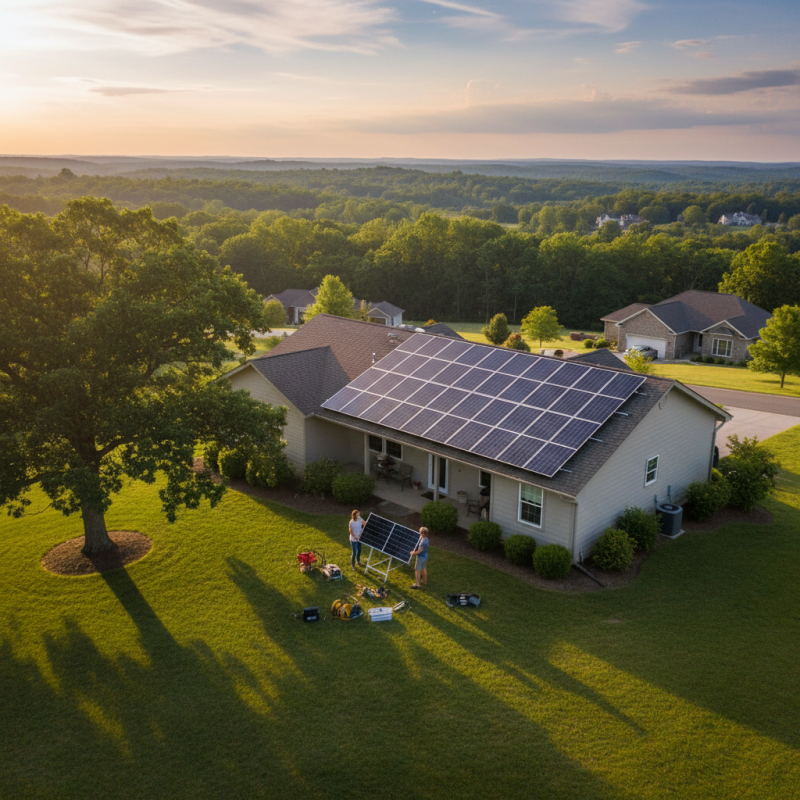
DIY solar energy systems offer unique benefits for homeowners. One of the standout advantages is cost savings. Many people save on installation fees by taking on the project themselves. With the right knowledge and tools, it’s possible to design a system that fits your specific needs. Savings can be substantial over the years.
Flexibility is another key benefit. Homeowners can decide on the size and layout of their solar panels. This empowerment encourages creativity and personal touches. However, it can also be a challenge. Not everyone has the time or skills required for installation. Research and planning are vital to avoid mistakes.
Sustainability adds another layer of appeal. By using renewable energy, homeowners reduce their carbon footprint. This choice supports environmental efforts. Yet, it’s essential to monitor performance regularly. An improperly maintained system may not deliver expected benefits. Being actively involved can lead to valuable learning experiences, even if it means facing some hurdles.
Essential Tools and Materials for Setting Up a DIY Solar Project
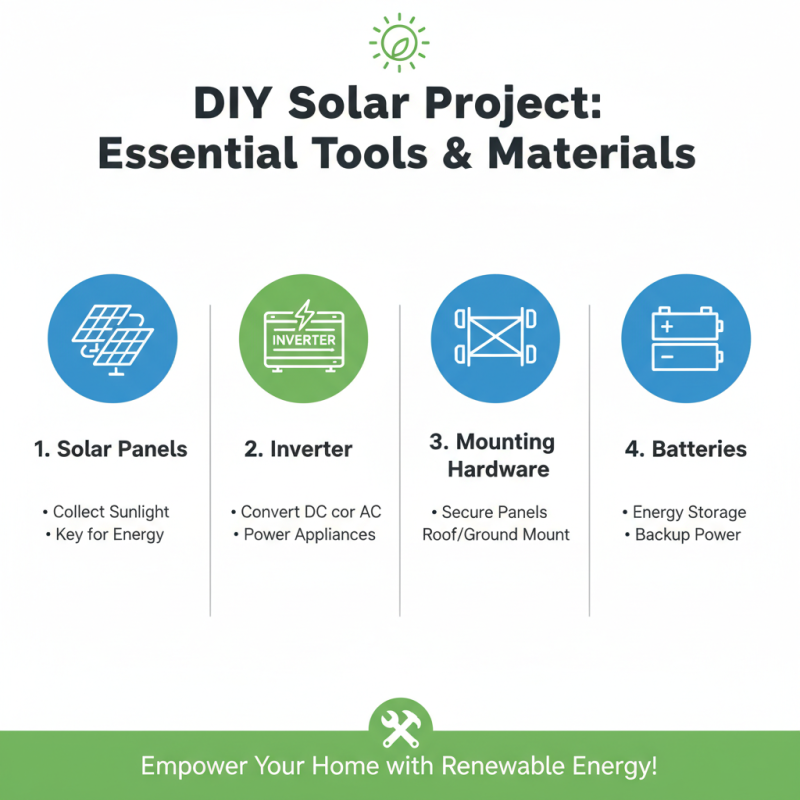
Setting up a DIY solar project can empower homeowners to harness renewable energy. However, having the right tools and materials is crucial. Basic equipment includes solar panels, inverters, and mounting hardware. You will also need batteries for energy storage. These components ensure you can collect and utilize solar energy effectively.
A voltmeter is essential for checking connections. This tool helps prevent system failures. Additionally, a wire cutter and stripper are necessary for preparing your cables. Safety gear like gloves and goggles cannot be overlooked. While shopping, it's important to review specifications carefully. Minor errors in selection can lead to inefficiencies.
While DIY projects are rewarding, they come with challenges. Not everyone may have the expertise to troubleshoot issues. Understanding electrical systems can take time. Some might find the installation process tedious and overwhelming. Patience and continual learning are key. Research and community forums can provide valuable insights and support.
Step-by-Step Guide to Designing Your DIY Solar Energy System
Designing your DIY solar energy system can be a fulfilling project. Start by assessing your energy needs. Calculate your monthly usage by checking old electricity bills. This gives you a target for the solar panel system size.
Next, choose the right components. Solar panels, inverters, and batteries are essential. Research the efficiency and lifespan of each component. Quality matters here. A cheap panel may save money initially but cost you more in the long run.
Tips: Don’t forget about local regulations. Check for permits and codes. Compliance can save you from future headaches. Also, think about the orientation of your solar panels. South-facing is often best for maximum sunlight exposure.
Consider potential obstacles too. Trees or buildings can cast shadows on your panels. Keep your installation area clear for optimal performance. Remember, this process requires patience. You might face unexpected challenges along the way. Embrace them as learning opportunities.
Why Choose DIY Solar for Your Home Energy Needs? - Step-by-Step Guide to Designing Your DIY Solar Energy System
| Component |
Specification |
Estimated Cost ($) |
Installation Time (Hours) |
| Solar Panels |
300W Monocrystalline |
200 |
4 |
| Inverter |
String Inverter |
150 |
2 |
| Battery Storage |
100Ah Lithium-ion |
800 |
3 |
| Mounting Kit |
Roof Mount |
100 |
2 |
| Wiring & Connectors |
10 AWG PV Wire |
50 |
1 |
| Total Estimated Cost |
1300 |
12 |
Common Challenges and Solutions in DIY Solar Installation
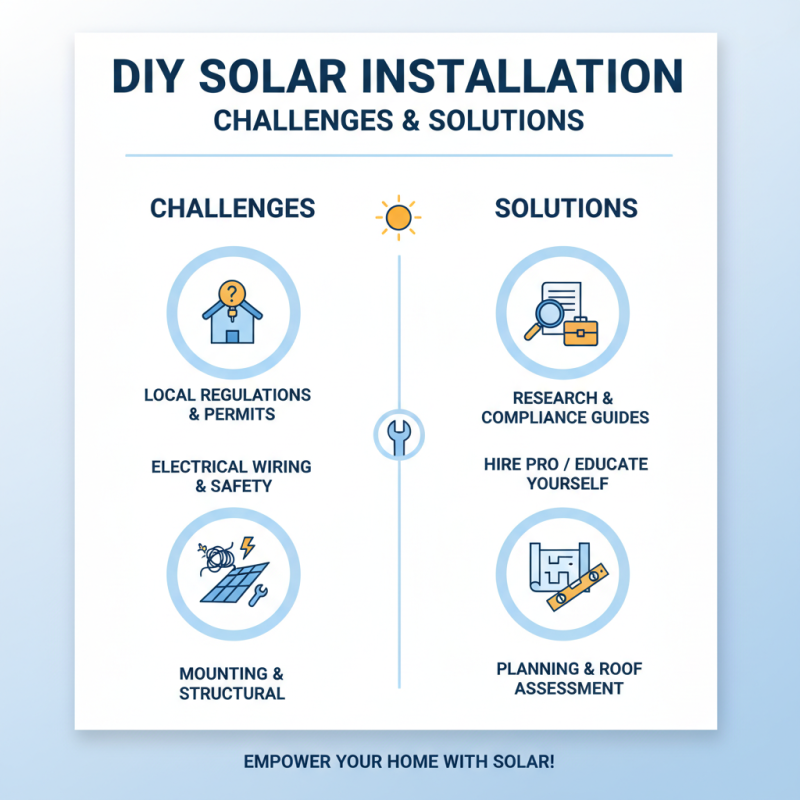
DIY solar installation can seem daunting, but many homeowners succeed with the right approach. One major challenge is understanding local regulations. Each area has different laws regarding permits, inspections, and interconnection with the grid. Research local guidelines early to avoid unnecessary delays.
Another common issue is the technical complexity of the installation itself. Many people underestimate the skills needed to install solar panels. While some tasks are straightforward, others require careful calculations and precise measurements. Having a solid plan is crucial. Online resources and local workshops can provide valuable insights and hands-on experience.
Lastly, equipment costs can be overwhelming. High-quality solar panels and inverters require a significant initial investment. However, it’s vital to look for bulk purchase options or second-hand materials that can help lower costs. Many people find that with patience and ingenuity, these hurdles can be overcome. Reflecting on mistakes during the process often leads to better final results.
Cost Analysis: DIY Solar vs. Professional Installation
When considering solar energy for your home, cost is a primary factor. DIY solar projects can save substantial money on installation fees. Homeowners often find that purchasing solar panels and kits online is more affordable than hiring professionals. Estimates show DIY projects can save up to 50% in upfront costs, depending on the size and complexity.
However, cost isn't the only consideration. DIY solar installations require time, skills, and can lead to tricky mistakes. Some homeowners may underestimate the complexity of the installation process. It’s essential to assess your capabilities accurately. Mistakes can lead to inefficiencies and even safety hazards. Additionally, DIY installations might not qualify for some incentives that professional setups do.
On the other hand, hiring professionals may come with a higher initial price, but can offer peace of mind. Experts bring experience in installation, ensuring system efficiency and safety. Professional services often provide warranties and maintenance, adding value over time. Ultimately, your choice hinges on personal preference, skills, and the need for long-term reliability versus immediate savings.
Cost Analysis: DIY Solar vs. Professional Installation