2026 Best Solar Panels in PA for Global Buyers?
Choosing the 2026 best solar panels in PA requires more than comparing wattage or online prices. Pennsylvania brings mixed conditions, including winter snow, humid summers, cloudy days, and shaded suburban roofs. Global buyers must examine performance under low light, temperature changes, and partial shading. A panel that performs well in Arizona may not produce the same results in Pittsburgh or Scranton.
The International Energy Agency’s Executive Director, Fatih Birol, described solar as “the new king of electricity markets.” His statement reflects solar’s expanding role, but it does not make every panel suitable for every roof. For solar panels in PA, buyers should compare efficiency, temperature coefficients, snow-load ratings, degradation rates, and warranty coverage. Independent testing and recognized certifications also matter. So does the installer.
A practical evaluation should include roof direction, annual electricity use, local weather data, and battery needs. Imported products may appear cheaper, yet shipping, service access, replacement parts, and regional compatibility can change the final cost. That part is often overlooked.
No panel is perfect.
Even premium modules lose output over time. Some claims about “maximum efficiency” also depend on ideal laboratory conditions. Buyers should question impressive numbers and request production estimates for their actual location. This guide compares leading technologies for Pennsylvania conditions, while acknowledging an uncomfortable truth: the best panel on paper may not be the best panel for your roof, budget, or long-term maintenance plan.
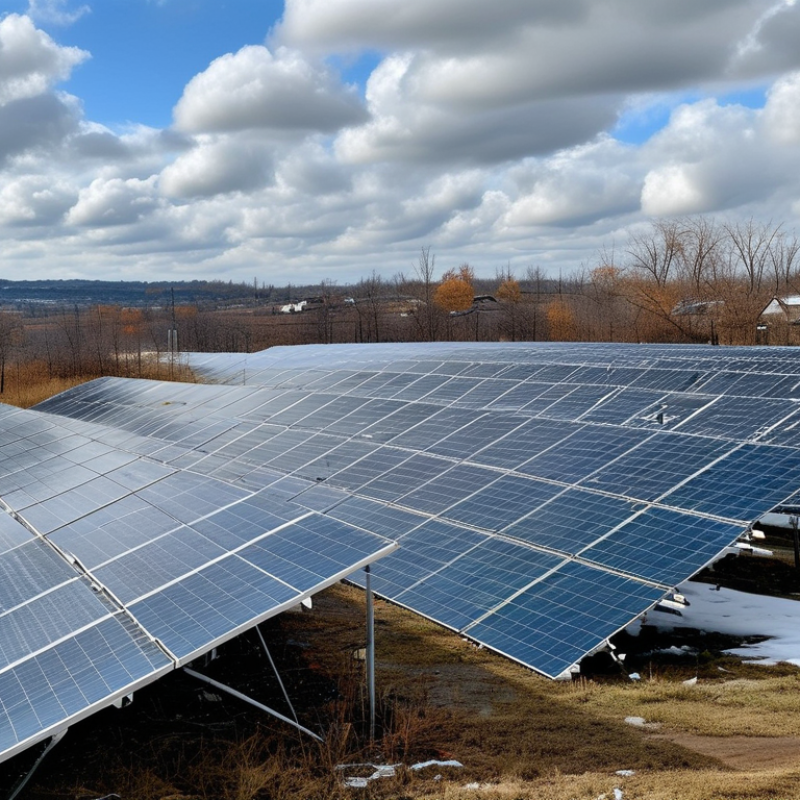
What Makes a Solar Panel Suitable for Pennsylvania in 2026
What Makes a Solar Panel Suitable for Pennsylvania in 2026
Pennsylvania needs panels that perform through snow, clouds, heat, and sharp seasonal changes. NREL’s PVWatts tool uses local weather files to estimate production, showing why site-specific modeling matters more than headline wattage. A panel with a strong temperature coefficient can lose less output during hot summer afternoons. Cold weather itself can improve efficiency, but snow cover may temporarily stop generation.
Durability also deserves careful attention. The International Energy Agency Photovoltaic Power Systems Programme reported global solar capacity above 1.6 terawatts by the end of 2023, increasing pressure for dependable modules and transparent testing. Fraunhofer ISE’s Photovoltaics Report has documented commercial module efficiencies above 20%, yet higher efficiency does not guarantee better Pennsylvania performance. Buyers should check snow-load ratings, wind certification, low-light behavior, degradation guarantees, and compliance with IEC 61215 and IEC 61730 standards. Roof structure matters too. A perfect module cannot fix weak mounting or poor orientation.
Tips: Ask for a Pennsylvania-specific production estimate using recent weather data. Confirm the installer evaluates snow accumulation and roof loading. Compare the temperature coefficient, not only the panel’s peak wattage. Bifacial designs may help on reflective surfaces, but their benefit can be overstated on dark roofs. I have seen specifications look impressive while installation limits the real gain. That gap deserves scrutiny.
How Pennsylvania’s Climate Affects Solar Panel Performance
2026 Best Solar Panels in PA for Global Buyers?
Pennsylvania’s climate rewards realistic planning, not optimistic brochures. NOAA climate normals show annual precipitation near 40 inches in many Pennsylvania locations. Snowfall varies sharply, from roughly 20 inches in Harrisburg to more than 40 inches around Pittsburgh. Winter clouds reduce output, but snow can slide from tilted panels after storms.
The National Renewable Energy Laboratory’s PVWatts model estimates Pennsylvania systems at about 1,200 to 1,400 kilowatt-hours annually per installed kilowatt. Roof direction, shading, and local weather can change that figure significantly. A south-facing roof usually performs well, while heavy summer humidity and tree growth may reduce actual production. Small details matter.
Cold weather itself is not the main enemy. Photovoltaic modules generally produce more efficiently in cool conditions. Their power commonly falls by about 0.3% to 0.5% for each degree Celsius above rated temperature, according to NREL technical guidance.
Pennsylvania’s freeze-thaw cycles also test mounting hardware, wiring, and roof penetrations. The International Energy Agency Photovoltaic Power Systems Programme reports typical module degradation near 0.3% to 0.5% annually, although real sites differ.
That estimate is not a promise. Poor ventilation, partial shade, and unreported snow losses can make performance disappointingly ordinary. Global buyers should compare hourly climate data, not only annual sunlight averages.
Which Solar Panel Technologies Fit Different Buyer Needs
Solar panel buyers in Pennsylvania face more than a simple efficiency choice. Roof angle, winter snow, shade from mature trees, and local utility rules all affect performance. A panel that works well in Arizona may perform differently near Pittsburgh or Scranton.
Monocrystalline panels suit buyers with limited roof space. They produce strong output from compact areas, but their higher price may challenge budget-focused projects. Bifacial panels can capture reflected light from bright surfaces, such as pale roofing or snow. Their real benefit depends on installation height and ground reflectivity. Results can disappoint on dark, crowded roofs.
Thin-film panels offer lower weight and greater flexibility. They may fit warehouses, curved surfaces, or weaker structures. However, they often need more installation area for similar capacity. For global buyers comparing Pennsylvania projects, temperature behavior, shipping conditions, warranty language, and installer experience deserve equal attention. Not every efficiency claim reflects real-world production.
I have seen shade analysis change a design more than a headline efficiency number. Small details matter. A chimney shadow can affect several modules during winter mornings. Buyers should request hourly production estimates, not only annual totals. Battery compatibility also matters for backup needs, especially during storm-related outages. My own preference would change by site; no technology wins every roof. Overlooking maintenance access is an easy mistake. The best choice may be slightly less efficient, but easier to inspect and repair.
How to Compare Solar Panel Efficiency, Durability, and Cost
2026 Best Solar Panels in PA for Global Buyers?
How to Compare Solar Panel Efficiency, Durability, and Cost
For Pennsylvania projects, compare usable energy, not efficiency alone. The IEA Photovoltaic Power Systems Programme reported continued global module cost declines in 2024, but installation costs remain highly location-dependent. NREL’s efficiency chart places leading laboratory silicon cells above 27%, while commercial modules commonly deliver about 20% to 23%, according to the Fraunhofer Photovoltaics Report 2024. That gap matters. A high-rated panel may produce more power from a small roof, yet a cheaper panel can offer better value on open land.
Check the warranty terms, temperature coefficient, and mechanical-load rating. Pennsylvania roofs face snow, freeze-thaw cycles, summer heat, and occasional hail. IEC 61215 and IEC 61730 certification supports basic durability testing, but it does not guarantee flawless installation. Inspect the mounting layout, drainage paths, cable protection, and roof penetrations. Small details matter.
Cost comparisons should use dollars per watt, estimated annual kilowatt-hours, and projected degradation. IEA PVPS data commonly places modern module degradation near 0.3% to 0.5% annually, though real sites vary. Ask for modeled production using local weather data, not a generic online estimate. I would also examine replacement access and recycling arrangements. These are easy to overlook. The cheapest quote can hide higher labor, difficult winter access, or weaker service coverage. No comparison is perfect; shading, snow cover, inverter losses, and changing electricity rates can alter the final result.
What Global Buyers Should Know About PA Solar Market Standards
2026 Best Solar Panels in PA for Global Buyers?
Pennsylvania’s solar market rewards buyers who study standards, not just panel efficiency. Global purchasers should verify testing under recognized U.S. requirements, including electrical safety, fire performance, and mechanical durability. Module documentation should identify applicable UL and IEC test reports. Inverters also need grid-interconnection compliance, often aligned with UL 1741 and IEEE 1547 requirements.
Local approval matters.
Pennsylvania projects must follow the state’s Uniform Construction Code, electrical rules, and local permitting procedures. The authority having jurisdiction may request stamped plans, structural calculations, equipment certificates, and rapid-shutdown details. Utility interconnection rules can differ by service territory. Ask for the current application checklist before shipping equipment. A technically compliant panel can still face delays if its inverter, connectors, or mounting system lacks accepted documentation.
Field experience shows that Pennsylvania conditions deserve careful attention. Winter snow, freeze-thaw cycles, humid summers, and roof shading can reduce real output. Request wind and snow-load data for the installation address. Confirm temperature coefficients and warranty terms in writing. Check whether replacement parts remain available internationally. Some documents look complete but omit regional certification details. That is easy to miss. Buyers should compare laboratory reports, installation manuals, and local engineering comments rather than trusting a sales sheet alone. No checklist is perfect; requirements and utility practices can change, so an independent Pennsylvania installer or code professional should review the final design.
2026 Best Solar Panels in PA for Global Buyers?
Pennsylvania Solar Market Standards: Net-Metering System Size Limits
Pennsylvania generally permits net-metering systems up to 50 kW for residential customers and up to 3 MW for nonresidential customers, subject to utility interconnection review and applicable rules.
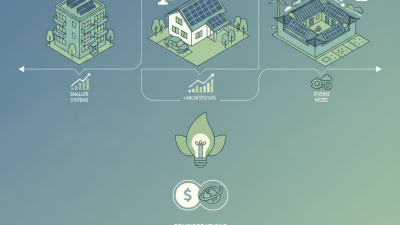
These limits describe project eligibility, not solar-panel quality. Global buyers should also verify IEC 61215 and IEC 61730 certification, electrical compatibility, documentation, warranty terms, and Pennsylvania utility interconnection requirements.
Reference: Pennsylvania Public Utility Commission, Net Metering and Interconnection guidance.