Get Solar Qualified With Our Smart Calculator!
GET ESTIMATE!Choosing the right solar battery storage system can feel like comparing ten similar metal cabinets in a crowded showroom. Their labels may promise high efficiency, long life, and seamless backup power. Real performance depends on climate, installation quality, energy habits, and local service support.
This guide examines ten leading systems for global buyers, using practical criteria rather than marketing claims alone. We consider usable capacity, round-trip efficiency, battery chemistry, warranty terms, monitoring tools, safety features, and compatibility with common inverters. A system that works well in a sunny Australian home may need different planning in a cold Canadian cabin or a humid coastal warehouse.
Small details matter. A family may need power for a refrigerator, router, lights, and medical equipment during an evening outage. A commercial user may care more about peak-demand control and scalable storage. Installation space matters too; a narrow utility room can quickly expose poor design choices.
Our assessment draws on manufacturer specifications, industry practices, and real-world installation considerations. Still, product data is not always perfectly comparable. Warranty language can be difficult to interpret. Performance can also change over time.
No battery is perfect.
Readers should verify current pricing, certifications, grid requirements, and qualified installer availability before purchasing. This overview is designed to clarify the decision, not replace a site-specific energy assessment. The best solar battery storage system is the one that matches your loads, climate, budget, and long-term expectations. That answer may be less exciting than a simple ranking, but it is usually more reliable.
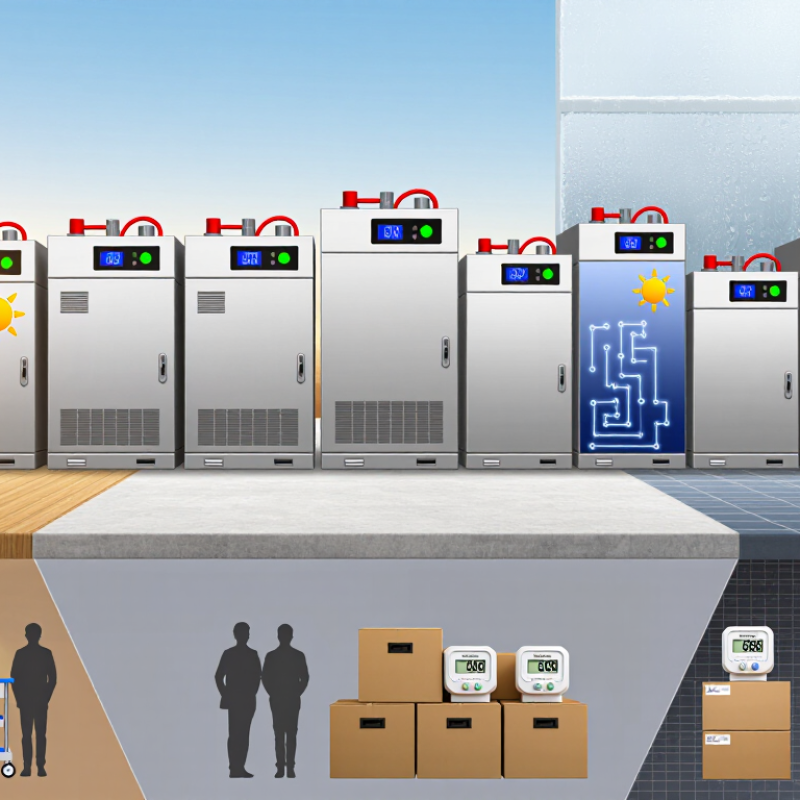
Solar battery storage systems capture excess electricity from photovoltaic panels for later use. They reduce evening grid purchases and provide limited backup during outages. Their value depends on load patterns, local tariffs, climate, and sunlight availability. A household using induction cooking needs more capacity than a small office with daytime demand. Real installations are rarely perfect. Oversizing can waste money, while undersizing causes frequent grid dependence.
A complete system usually includes battery modules, a battery management system, an inverter, protection devices, cables, monitoring software, and a suitable enclosure. The battery management system checks temperature, voltage, and charge balance. The inverter converts stored direct current into usable alternating current. It may also control charging, discharge timing, and backup circuits. Professional installers should verify ventilation, clearances, grounding, emergency isolation, and local electrical requirements. Capacity is not the only measure. Power rating decides whether the system can start a pump, refrigerator, or other demanding load.
Tips: Compare usable capacity, not only the advertised battery size. Ask for round-trip efficiency, cycle-life conditions, warranty limits, and tested operating temperatures. Review real consumption data before choosing equipment. Keep critical loads on a dedicated backup circuit. In hot or dusty areas, inspect filters, terminals, and cooling paths regularly. Do not rely on monitoring apps alone; yearly professional inspections can reveal loose connections or declining performance. Future solar expansion may require a larger inverter or different wiring plan.
Comparing solar battery storage systems requires more than checking price and capacity. The International Energy Agency estimates that global energy storage must reach 1,500 GW by 2030, with batteries providing most new capacity. This growth makes performance data more important for buyers.
Start with usable capacity, round-trip efficiency, cycle life, and degradation guarantees. The U.S. National Renewable Energy Laboratory commonly models battery round-trip efficiency near 85% to 95%, depending on system design and operating conditions. A five-percent efficiency gap can affect daily savings over many years. Efficiency matters. Check whether quoted capacity is usable or merely nominal.
Climate and installation details also deserve attention. A system operating at 45°C may need cooling, reduced output, or wider spacing. Compare operating temperature ranges, ingress protection, emergency shutdown features, and recognized safety testing.
Warranty terms should state remaining capacity, permitted cycles, throughput, and service response times. Levelized cost of storage studies, including Lazard’s 2024 analysis, show that project economics vary sharply with financing, utilization, and replacement assumptions.
Cheap hardware can mislead. Buyers should also verify grid compatibility, local certification, spare-part access, software security, and end-of-life recycling routes. Some comparisons still overlook installation labor and future inverter replacement. That omission can distort the real cost.
Top 10 Solar Battery Storage Systems for Global Buyers
Battery Technologies and Their Impact on Storage Performance
Choosing among the top ten solar storage systems requires more than comparing capacity figures. Battery chemistry directly influences safety, lifespan, charging speed, and usable energy.
Lithium iron phosphate batteries offer strong thermal stability and often support many daily cycles. They suit homes with regular evening demand and warm climates. Nickel-rich lithium batteries can provide higher energy density in smaller cabinets. However, they may require stricter temperature control and careful charging limits. Real projects vary.
Lead-acid batteries remain practical where budgets are tight and maintenance is manageable. Their lower upfront cost can hide shorter service life and reduced usable capacity. Flow batteries use liquid electrolytes and can tolerate deep cycling. They may fit larger installations, but pumps, tanks, and installation space increase complexity. Technology alone does not guarantee performance.
Global buyers should match chemistry with local conditions, not marketing claims. A coastal home may need strong corrosion protection and sealed equipment. An off-grid clinic may value dependable cycling more than compact size. Depth of discharge, inverter efficiency, and thermal management also affect actual results. Independent testing data helps, although published figures may not match every site. No chemistry wins everywhere. Careful sizing matters. A small design mistake can reduce savings, and even experienced installers sometimes underestimate seasonal demand.
| Rank | Battery Technology / System Type | Typical Energy Density | Usable Depth of Discharge | Round-Trip Efficiency | Typical Cycle Life | Expected Calendar Life | Typical Operating Conditions | Best-Fit Solar Application | Impact on Storage Performance |
|---|---|---|---|---|---|---|---|---|---|
| 1 | Lithium Iron Phosphate (LFP) | 90–160 Wh/kg | 80–95% | 90–98% | 4,000–10,000 cycles | 10–20 years | Approximately −20°C to 55°C; low-temperature charging generally requires thermal control. | Residential, commercial, and utility-scale solar-plus-storage | High safety, long cycle life, and stable performance make LFP a strong general-purpose choice. Its moderate energy density increases enclosure size compared with some other lithium-ion chemistries. |
| 2 | Nickel Manganese Cobalt Oxide (NMC) | 150–250 Wh/kg | 80–95% | 90–97% | 2,000–6,000 cycles | 8–15 years | Approximately −20°C to 55°C; battery management and thermal protection are essential. | Space-constrained residential and commercial installations | Higher energy density reduces footprint and weight, while efficiency is strong. Compared with LFP, cycle life and thermal margin are generally lower, so system controls and fire protection are more important. |
| 3 | Lithium Titanate (LTO) | 50–100 Wh/kg | 90–100% | 90–98% | 10,000–30,000 cycles | 15–25 years | Approximately −30°C to 55°C; supports strong low-temperature and high-power performance. | High-cycling microgrids, fast-response systems, and harsh climates | Very long cycle life, rapid charging, and excellent power capability can reduce degradation in frequently cycled systems. Low energy density and higher upfront cost can increase project size and capital expenditure. |
| 4 | Sodium-Ion | 90–160 Wh/kg | 80–95% | 85–95% | 3,000–8,000 cycles | 10–15 years | Approximately −20°C to 55°C, depending on cell design and thermal management. | Cost-sensitive stationary storage and cold-climate projects | Uses more widely available sodium-based materials and can offer good low-temperature behavior. Lower energy density than leading lithium-ion systems may require more floor space for the same stored energy. |
| 5 | Vanadium Redox Flow Battery (VRFB) | 10–35 Wh/kg | Up to 100% | 65–85% | 10,000–20,000 cycles | 20–30 years | Usually approximately 0°C to 45°C; pumps, tanks, and electrolyte systems require auxiliary power. | Long-duration commercial, microgrid, and utility-scale storage | Energy capacity and power rating can be sized independently, which is valuable for four- to twelve-hour applications. Low energy density and lower efficiency increase space and balance-of-system requirements. |
| 6 | Zinc-Bromine Flow Battery | 20–75 Wh/kg | 80–100% | 65–85% | 3,000–10,000 cycles | 10–20 years | Generally approximately 10°C to 45°C; electrolyte and pump management are required. | Remote solar systems and medium-duration commercial storage | Deep discharge capability and relatively low fire risk support long-duration use. Pumping losses, lower round-trip efficiency, and electrolyte maintenance can reduce net energy delivered. |
| 7 | Valve-Regulated Lead-Acid (AGM) | 30–50 Wh/kg | 50–70% for regular cycling | 75–85% | 500–1,500 cycles | 3–7 years | Best performance near 15°C to 25°C; high temperatures accelerate aging. | Small backup systems, low-cycle off-grid installations, and budget projects | Low initial cost and established recycling infrastructure are advantages. Limited usable capacity, lower efficiency, heavy weight, and sensitivity to deep cycling increase lifetime energy cost. |
| 8 | Lead-Carbon | 30–55 Wh/kg | 70–90% | 80–95% | 1,500–4,000 cycles | 5–12 years | Typically approximately −10°C to 50°C; elevated temperatures shorten service life. | Hybrid solar systems requiring better partial-state-of-charge performance | Carbon-enhanced negative electrodes improve acceptance of irregular solar charging and partial-state-of-charge operation. The technology remains heavier and less energy-dense than lithium-ion alternatives. |
| 9 | Nickel-Iron (NiFe) | 30–70 Wh/kg | 80–100% | 60–80% | 5,000–11,000 cycles | 20–30 years | Approximately −20°C to 50°C; electrolyte maintenance and periodic water replacement may be required. | Long-life off-grid solar installations with low efficiency sensitivity | Very durable and tolerant of deep discharge, overcharge, and rough operating conditions. High self-discharge, lower efficiency, gas management, and maintenance requirements limit broader adoption. |
| 10 | High-Temperature Sodium-Sulfur (NaS) | 150–240 Wh/kg | Up to 100% | 75–90% | 4,000–7,500 cycles | 15–20 years | Cells operate at approximately 300°C; insulated enclosures and continuous thermal management are required. | Large utility-scale and grid-connected solar storage | High energy density and deep-discharge capability support multi-hour grid storage. High operating temperature increases auxiliary energy use, commissioning complexity, safety requirements, and project-scale constraints. |
Note: The figures are typical industry ranges for stationary storage systems and are provided for technology comparison. Actual performance depends on cell design, inverter efficiency, ambient temperature, installation quality, operating profile, maintenance, and the battery management system.
Top 10 Solar Battery Storage Systems for Global Buyers
Global buyers need more than a high capacity figure. A practical top-ten shortlist should include modular home systems, AC-coupled retrofits, DC-coupled hybrid systems, high-voltage units, off-grid packages, commercial cabinets, microgrid storage, outdoor-rated systems, backup batteries, and second-life compatible designs. Each option serves a different load profile. A coastal home needs corrosion protection. A remote clinic needs simple maintenance and dependable islanding.
Technical screening should compare usable capacity, round-trip efficiency, cycle life, depth of discharge, thermal control, and warranty terms. Lithium iron phosphate chemistry often supports safer, longer daily cycling, but performance still depends on temperature and installation quality. The International Energy Agency reported in Batteries and Secure Energy Transitions 2024 that global energy storage capacity may need to expand sixfold by 2030. BloombergNEF recorded an average battery pack price of 115 US dollars per kilowatt-hour in 2024, down 20% year on year. Lower prices help, but balance-of-system costs remain easy to underestimate.
Field experience shows that a smaller battery with accurate load data can outperform a larger unit. Sometimes. Buyers should request verified test conditions, local certifications, replacement-part availability, and installer response times. NREL performance data also shows that usable energy changes with temperature, power limits, and aging. A published warranty is not the same as guaranteed output. That difference matters. My ranking would change by climate, tariff structure, backup duration, and grid reliability; treating one global list as permanent would be careless.
This comparison uses representative solar battery configurations available across global residential, commercial, and utility-scale markets. Usable capacity is estimated from nominal capacity using typical depth-of-discharge ranges, while round-trip efficiency reflects common lithium-ion storage performance.
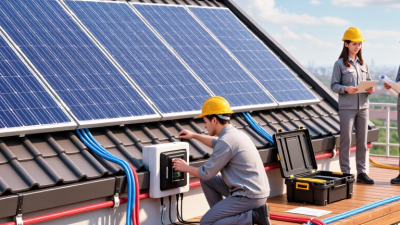
Choosing among the top solar battery storage systems requires more than comparing capacity and price. Installation conditions strongly affect performance and safety. A qualified electrician should inspect the main panel, cable routes, grounding, ventilation, and wall strength before work begins. Keep the battery away from flooding, direct heat, and combustible storage. Allow clear access for emergency isolation.
Safety procedures should match local fire codes and electrical regulations. Many regions require certified equipment, permits, inspection records, and approval before grid connection. Requirements can differ between homes, businesses, and remote sites. Global buyers should verify voltage, frequency, enclosure ratings, and transport documentation with local authorities. Do not assume one certificate satisfies every market.
Maintenance is usually simple, but it is not maintenance-free. Check warning indicators, connection points, temperature readings, and software updates at scheduled intervals. Remove dust around ventilation areas without opening sealed compartments. Record unusual noise, swelling, heat, or rapid capacity loss. Stop operation if damage appears. Seek qualified service.
A useful installation record should include serial identification, test results, protection settings, and emergency contacts. This supports warranty claims and future troubleshooting. In practical assessments, poor cable labeling often creates avoidable delays. It seems minor. It is not. Buyers should also confirm end-of-life collection and recycling arrangements before purchase. Regulations change, and older advice may become unreliable. Review the local rules again before installation.
© 2025 All Rights Reserved