7 Best Solar Panels in Maryland for Global Buyers?
Choosing solar equipment for Maryland requires more than comparing wattage and price. This guide examines seven strong options for global buyers, focusing on efficiency, durability, warranties, certifications, and long-term value. Maryland’s humid summers, winter snow, coastal wind, and partial shading can test a panel’s real performance.
The U.S. Energy Information Administration reports that Maryland households paid about 18 cents per kilowatt-hour for electricity in 2024. That makes dependable solar increasingly attractive, but savings still depend on roof direction, local shade, system design, and installer quality. The Solar Energy Industries Association and Wood Mackenzie reported nearly 50 gigawatts of new U.S. solar capacity in 2024. The market is expanding quickly. Product quality, however, is not identical.
Mary Beth Tung, former director of the Maryland Energy Administration, described clean energy as “an economic opportunity” for Maryland communities. That perspective matters for buyers comparing solar panels maryland options across different markets. A panel with excellent laboratory efficiency may perform poorly on a shaded Baltimore roof. A cheaper module may also bring weaker service support or stricter warranty conditions. Small details matter.
This review uses technical documentation, independent industry reports, and practical Maryland considerations. It also recognizes an uncomfortable truth: no single panel is best for every property. Some recommendations may change as prices, tariffs, incentives, and manufacturer policies shift. Check current specifications carefully. A professional site assessment remains essential before making a purchase.
Maryland’s Solar Energy Needs and Buying Considerations
Maryland’s solar needs vary sharply between coastal homes, suburban roofs, and rural properties. Humid summers raise cooling demand, while winter storms can reduce production for several days. A suitable panel should perform well in partial shade and tolerate strong weather exposure. High efficiency matters when the roof is small. It is not everything.
A professional site assessment should measure roof pitch, tree shadows, structural strength, and yearly electricity use. Ask for production estimates based on Maryland weather data, not only a perfect sunny-day example. Compare panel efficiency, temperature performance, degradation rates, and warranty terms. Check whether the installer holds relevant electrical licenses and carries proper insurance. References from nearby projects can reveal problems hidden in sales brochures.
Local utility rules, interconnection procedures, property taxes, and available incentives may change. Global buyers should verify these details through Maryland agencies and the serving utility before signing an agreement. Battery storage may help during outages, but its cost and expected cycling deserve careful calculation. A battery is not automatically economical. Snow usually sheds from tilted panels, yet heavy accumulation and ice still require safe maintenance planning. Do not ignore roof age; replacing a roof after installation can add unexpected labor costs. My own buying checklist would leave space for uncertainty, because shade can grow, energy prices can shift, and production estimates are never guarantees. Measure twice.
How to Evaluate Solar Panels for Maryland’s Climate
Choosing among the seven best solar panels for Maryland requires more than comparing headline wattage. Maryland brings humid summers, winter snow, coastal salt air, and sharp temperature changes. Evaluate each panel’s temperature coefficient, corrosion resistance, snow-load rating, and wind rating. A lower temperature coefficient may preserve output during a hot July afternoon. Check independent test reports, recognized safety certifications, and published degradation rates. Manufacturer claims deserve verification. A lab rating is useful, but it is not a Maryland roof.
Roof conditions matter as much as panel specifications. Inspect afternoon shading from tall trees, neighboring buildings, and rooftop equipment. Even partial shade can reduce production across a connected panel string. Homes near the Chesapeake Bay may need stronger attention to moisture and salt exposure. Ask about sealed junction boxes and frame materials. For global buyers, confirm that electrical certifications match Maryland installation requirements. Imported equipment may also require clear documentation, compatible inverters, and dependable replacement support.
Tips: Request a site assessment during the least sunny season. Compare estimated annual production, not only peak output. Read warranty exclusions carefully. Ask who handles defective equipment after installation. I would not select a panel solely because it ranks first online. Local roof structure, shade, and maintenance access can change the better choice. That part is easy to overlook.
Comparing Panel Efficiency, Durability, Cost, and Warranty
7 Best Solar Panels in Maryland for Global Buyers?
Maryland buyers should compare seven practical panel choices by efficiency, durability, cost, and warranty. High-efficiency panels, often above 21%, produce more power on small roofs. This matters where trees or nearby buildings reduce sunlight. However, a higher number is not always better. A slightly less efficient panel may offer stronger value and easier replacement.
Durability deserves close attention. Look for verified resistance to hail, heavy snow, humidity, and strong coastal air. Maryland roofs experience changing weather, so temperature performance also matters. Check the product datasheet, independent test results, and degradation rate. A reliable panel may lose only a small percentage of output each year. Warranty terms need careful reading. Product warranties commonly cover materials for 10 to 25 years, while performance coverage may last longer. Labor is often excluded. That detail can become expensive.
Tips:
Request three written quotes. Compare total system cost, not panel price alone. Ask whether shipping, local taxes, permits, inverter replacement, and installation are included. Global buyers should verify electrical certifications accepted in Maryland and confirm after-sales support. I would not select a panel from efficiency figures alone. Real roof measurements, installer experience, and climate exposure can change the decision. Sometimes the “best” panel is simply the one that can be serviced quickly. Be cautious. Forecasted savings are estimates, not promises.
Installation, Incentives, and Maintenance in Maryland
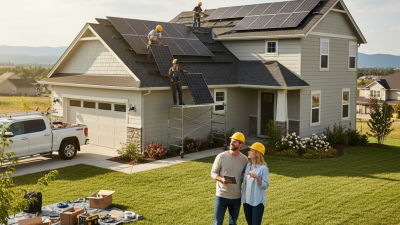
For global buyers comparing the 7 best solar panels in Maryland, installation details matter more than appearance. A qualified Maryland installer should inspect roof age, shading, snow exposure, and electrical capacity. Satellite images help, but they cannot reveal loose shingles or attic moisture. A licensed electrician must follow local permits, fire setbacks, and utility interconnection rules. County requirements can differ. That matters.
A written proposal should show panel output, inverter capacity, estimated annual production, labor costs, and warranty terms. Ask how production was calculated during cloudy winter weeks. Maryland receives strong summer sunlight, but seasonal output changes noticeably. Federal tax benefits may apply to eligible residential systems, while Maryland may offer sales-tax or property-tax relief. SREC income can also be available for certified systems, but market values fluctuate. Confirm every incentive with the IRS, Maryland agencies, and your local county before signing.
Maintenance is usually modest, not effortless. Keep leaves away from the array, especially under nearby oak trees. Check monitoring data monthly for sudden production drops. A professional inspection every few years can identify wiring damage, inverter faults, or roof leaks. Do not pressure-wash panels from a ladder. That shortcut creates risk. Snow usually slides off tilted panels, but heavy accumulation may need professional advice. Battery systems require separate ventilation, warranty, and replacement planning. One weakness in many estimates is the assumption that every roof will last as long as the panels. A roof replacement can erase expected savings.
7 Best Solar Panels in Maryland for Global Buyers: Installation, Incentives, and Maintenance
Maryland solar planning chart: estimated average daily peak sun hours by month
Installation
A south-facing roof with limited shading generally provides the strongest annual production. Professional structural, electrical, and permit reviews are recommended.
Incentives
Eligible systems may qualify for the 30% U.S. federal Clean Energy Credit through 2032. Maryland also provides a solar equipment sales-tax exemption, while net-metering and SREC benefits depend on current rules and project eligibility.
Maintenance
Solar panels typically require low maintenance. Schedule periodic visual inspections, monitor system output, and remove heavy debris or snow when safe.
The chart uses representative long-term Maryland solar-resource planning values in peak sun hours per day. Actual production varies with location, roof orientation, tilt, shading, weather, equipment design, and system losses. Incentive eligibility should be confirmed with Maryland and federal authorities before purchase.