Why Should You Consider DIY Solar Systems for Your Home?
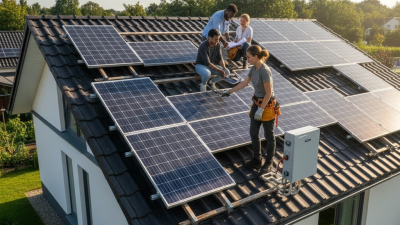
Considering a DIY solar system for your home can be a transformative choice. According to a recent report from the Solar Energy Industries Association (SEIA), residential solar installations increased by 23% in 2022. Homeowners are recognizing the potential savings on electric bills and the positive environmental impact of harnessing solar energy. A DIY solar system allows individuals to take control of their energy production while reducing reliance on traditional utilities.
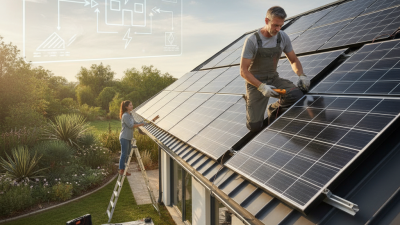
However, it's essential to understand the challenges involved. Setting up a DIY solar system requires careful planning, knowledge of local regulations, and an understanding of solar technology. Reports show that nearly 50% of DIY projects encounter unforeseen complications. This might result in extra costs or system inefficiencies. Homeowners must weigh the benefits against possible hurdles in installation and maintenance.
The investment in a DIY solar system can lead to significant long-term savings. But with this investment comes the responsibility of creating an effective setup. Engaging with community forums and expert resources can help navigate these complexities. Ultimately, the decision to pursue a DIY solar system should reflect a balance between personal ambition and realistic expectations.
Benefits of DIY Solar Systems: Cost Savings and Energy Independence
DIY solar systems offer a practical solution for homeowners seeking energy independence. One key benefit is
cost savings. Installing solar panels can reduce monthly utility bills significantly. Many people find that they can pay off their initial investment within just a few years. With proper planning, materials can be sourced at lower prices. This opens up opportunities for those on a tighter budget.
Energy independence is another compelling reason to consider DIY solar. Generating your own electricity means you rely less on the grid. During outages, a DIY solar system can keep essential appliances running. However, this resilience comes with challenges. For instance, fluctuating sunlight can affect energy production. Homeowners must assess their local climate and energy needs carefully.
While DIY solar systems can empower homeowners, they require a commitment to research and installation. Knowledge of basic electrical systems is essential. Mistakes in setup can lead to inefficiencies or hazards. Regular maintenance is necessary to ensure optimal performance. Despite these challenges, the satisfaction of generating your own power can be well worth the effort.
Environmental Impact of Solar Energy: Reducing Carbon Footprint
Solar energy offers a promising way to reduce our carbon footprint. By generating energy from the sun, households can minimize reliance on fossil fuels. This shift not only cuts greenhouse gas emissions but also reduces air pollution. Each solar panel generates clean energy, contributing to a healthier planet.
Implementing DIY solar systems can be empowering. Homeowners can directly witness their energy usage and its impact on the environment. However, there are challenges. Installation requires careful planning, research, and sometimes, trial and error. Not every home is suitable for solar panels. Shading from trees or buildings can hinder efficiency.
Despite the obstacles, the benefits outweigh the drawbacks for many. Solar energy aligns with sustainable living. It encourages individuals to take control of their energy sources. This approach fosters a deeper awareness of energy consumption. Every small effort contributes to a cleaner future. The journey may have bumps, but the destination is worth the work.
Financial Incentives for Homeowners: Tax Credits and Rebates in Solar
Switching to DIY solar systems can be financially rewarding for homeowners. One of the most attractive aspects is the range of tax credits available. Many regions offer substantial incentives that can cover a percentage of installation costs. This can significantly reduce your initial investment. Homeowners may also qualify for rebates that further enhance savings. These rebates are often designed to encourage the use of renewable energy, benefiting both the environment and your pocketbook.
However, the process can feel overwhelming. Understanding the criteria for these financial incentives requires careful research. Not every homeowner will meet the requirements. Each state has different rules regarding eligibility. It’s important to stay informed about updates to incentive programs. Missing out on valuable savings can lead to regret.
When considering DIY solar, you need to assess not only the costs but the benefits. While incentives can ease the financial burden, installation may still require effort and expertise. DIY projects can vary in complexity. Some homeowners might hesitate due to the initial learning curve. Ensuring you have reliable resources can help mitigate these challenges and maximize your benefits.
Financial Incentives for Homeowners: Tax Credits and Rebates in Solar
Technical Considerations: Sizing and Selecting Components for DIY Solar
When considering a DIY solar system, proper sizing and component selection are crucial. Begin by assessing your energy needs. Calculate your average electricity usage over a month. This will give you a baseline to determine how many solar panels you require. Consider peak sunlight hours in your area. Generally, more sunlight means more energy production.
Choosing the right components can be overwhelming. Focus on essential parts: solar panels, inverters, and batteries. High-efficiency panels may cost more but save money long-term. Inverters convert solar energy into usable electricity. Choose one that suits your system size. Battery storage can provide power during outages.
Tips: Always consult reputable sources for information. Join online communities for support and advice. Start with a small system if unsure. It allows you to learn without a big investment. Be prepared for unexpected challenges. Experimentation is part of the process. You might face hiccups along the way, but each issue can be a learning opportunity. Embrace the journey.
Long-Term Value of Solar Systems: ROI and Home Resale Potential
Investing in solar energy for your home can significantly enhance its resale potential. According to the U.S. Department of Energy, homes with solar panels sell for an average of 4.1% more than those without. This increase in value can amount to approximately $15,000 in additional equity for a typical home. Potential buyers are increasingly seeking energy-efficient homes, making solar installations an attractive feature.
The return on investment (ROI) for solar systems is compelling. Research by the National Renewable Energy Laboratory indicates that homeowners can expect an ROI of around 20% on their solar panel investments. This means not only do homeowners save on electricity bills, but they also contribute to their home's value over time. Despite initial costs associated with installation, many find the long-term savings on energy costs worthwhile.
However, the efficiency of solar systems can vary significantly. Factors like roof orientation, local climate, and installation quality play a role in overall performance. Not all solar systems are designed equally, which can lead to frustration for some homeowners. Researching and understanding these variables is crucial before making a decision. While solar can offer impressive benefits, it’s essential to approach it with a clear perspective about potential challenges and limitations.