How to Choose the Best Solar Panels in 2026?
Choosing solar panels in 2026 is not simply a contest for the highest efficiency rating. The right system must suit your roof, electricity use, local climate, and budget. A panel that performs well in a laboratory may deliver less value on a shaded roof or in extreme heat.
The broader market matters, too. International Energy Agency Executive Director Fatih Birol said, “I see solar becoming the new king of the world’s electricity markets.” That forecast captures solar’s momentum, but it does not identify the best panel for your home. Buyers still need to compare usable power output, temperature performance, product and performance warranties, and the installer’s workmanship. Check the warranty terms carefully. A long warranty is useful only when its coverage and conditions are clear.
Numbers can mislead. A small efficiency advantage may matter less than a suitable system size, dependable installation, or a fair total price. Ask for comparable quotes that show equipment models, expected annual production, and assumptions about shading. Review the panels’ degradation rate and the inverter’s replacement terms, too. Roof age and future repair plans deserve attention before installation. They can change the project’s economics.
This guide will explain how to weigh those details, assess claims, and compare solar panels without relying on a single headline specification. Your priorities may shift as you examine the numbers. That is normal; the best choice is the one that fits your home and holds up under careful scrutiny.
Assess Your Household’s Energy Needs and Solar Goals
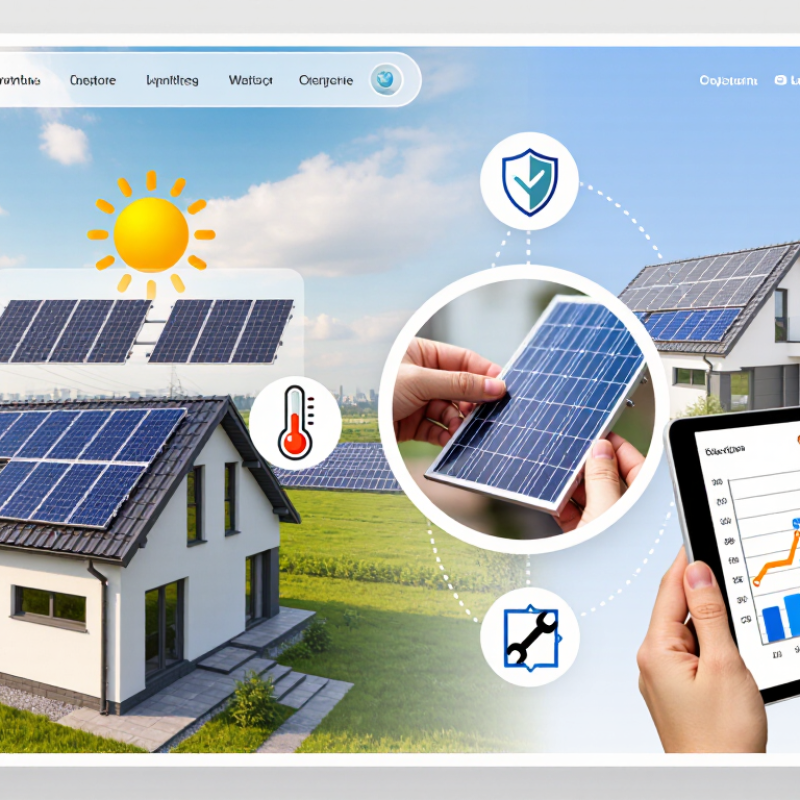
Before comparing solar panels, learn how your household uses electricity. Gather 12 months of utility bills and note the kilowatt-hours used each month. A home that uses 650 kWh in spring may use 1,050 kWh during a hot summer. Look beyond annual totals. Check when high-demand appliances run, too. Air conditioning in the afternoon, evening cooking, and overnight vehicle charging can shape the system you need. If possible, compare your bill with smart-meter data or appliance readings; estimates based on memory are often shaky.
Then define what you want solar to do. Are you aiming to lower bills, cover most annual use, or keep essential circuits running during outages? These goals call for different system designs. A battery may support backup power, but it adds cost and does not automatically power every appliance. List the loads that matter, such as a refrigerator, a few lights, and a medical device, and ask a qualified installer to estimate their combined demand. Consider changes planned within five years, including an electric vehicle or heat pump. Still, do not size a system around every possible future upgrade. That can mean paying for capacity you may never use. Review roof shade, usable space, and local production estimates before deciding. A clear energy profile makes panel comparisons more meaningful, even when your first estimate needs revision.
Compare Solar Panel Technologies and Efficiency Ratings
How to Choose the Best Solar Panels in 2026?
Solar panel efficiency measures how much sunlight a panel converts into electricity under standardized test conditions. A higher rating can help when roof space is tight, but it does not guarantee the best result. Shade from a chimney, a hot roof, or an awkward roof angle can reduce real-world output.
Small details matter.
Monocrystalline panels are widely used for homes, while newer cell designs such as TOPCon and heterojunction can offer higher efficiency or different performance characteristics. Thin-film panels may suit lightweight or unusual surfaces, though they generally need more area for similar output. Compare ratings under the same test conditions. Also check temperature performance, degradation estimates, and the terms behind the performance warranty.
Numbers need context.
A practical comparison starts with your usable roof area, not the biggest rating on a product sheet. Ask for an estimate that reflects your roof’s orientation and nearby shade, then compare expected annual energy production. If two options produce similar energy, a lower-efficiency panel may still make sense if it costs less or fits your layout better.
I would not treat any estimate as exact; weather and installation details introduce uncertainty.
Review the assumptions, and question projections that seem unusually precise.
Evaluate Durability, Performance, and Warranty Coverage
How to Choose the Best Solar Panels in 2026?
Evaluate Durability, Performance, and Warranty Coverage
A panel’s rated output matters, but so does how it performs on your roof. Compare efficiency ratings and expected annual energy production using your local sunlight and roof orientation. Check temperature coefficients, too: panels can lose output in high heat. For durability, look for clear testing information and inspect the mounting plan, especially if your roof faces strong winds or heavy snow. A sturdy panel still depends on sound installation.
Tips: Ask for written estimates of yearly output. Check whether shading from a chimney or nearby tree was included. Small details count.
Read both the product and performance warranties before choosing. Note the coverage period, expected power retention, and the conditions for making a claim. Does coverage include removal and reinstallation, or only replacement parts? Those costs can change the real value. A long warranty sounds reassuring, but it is not a promise of trouble-free service. I would not choose on that number alone. Compare exclusions, required maintenance, and who handles claims. Even careful research leaves some uncertainty; keep copies of your quote, installation records, and warranty documents.
Calculate Total Costs, Incentives, and Long-Term Value
Choosing solar panels in 2026 starts with the full project cost, not the price printed beside a panel. Request an itemized estimate covering equipment, installation, permits, electrical upgrades, and any roof repairs. Add a battery only if its backup value or time-based savings justify the extra expense. Small details matter. A shaded roof section can reduce actual output, even when the panels have a high rated capacity.
Estimate annual production using your roof’s direction, local weather, and nearby trees. Then compare that estimate with your household’s electricity use and utility rates. Ask how incentives apply to your specific project, and confirm current eligibility with official sources before signing. Programs and utility compensation can change; an advertised incentive is not guaranteed savings. Include financing costs and possible fees in your calculation.
For long-term value, compare total out-of-pocket cost with expected electricity savings over the system’s useful life. Account for gradual panel output loss, inverter replacement, and maintenance. Check warranty coverage, but remember that a warranty does not promise a particular bill reduction. Estimates are imperfect. I would also test a less favorable scenario, such as lower production or smaller utility credits. That extra calculation may feel overly cautious, but it can reveal whether the project still fits your budget.