Why Is the Cost of Solar Panel Installation So High?
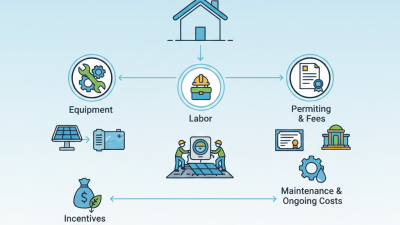
Why Is the Cost of Solar Panel Installation So High? The answer is rarely just the panels. Homeowners also pay for labor, permits, design, inspections, financing, roof work, and grid connection. These expenses can hide behind one large quote.
The U.S. Department of Energy identifies these non-hardware expenses as “soft costs,” including permitting, customer acquisition, and installation labor. Berkeley Lab’s Tracking the Sun 2024 report found that the median residential solar price reached about $3.25 per watt for systems installed in 2023. A 7-kilowatt system could therefore approach $22,750 before incentives. That figure is not universal. Roof shape, local wages, equipment quality, and electrical upgrades can change it sharply.
The hardware is only part of the story.
Lazard Managing Director George Bilicic stated in Lazard’s Levelized Cost of Energy report, “Solar and wind continue to be the lowest-cost sources of new-build electricity generation in many markets.” Yet low generation costs do not guarantee low installation bills. A steep roof may require extra safety equipment. An aging electrical panel may need replacement. A long permitting delay can also increase administrative costs. These details make comparisons difficult, even when two quotes appear similar.
EnergySage marketplace data also shows meaningful price variation between installers and regions. That suggests consumers should examine the contract, not only the headline price. The cost of solar panel installation can be reasonable, but claims of effortless savings deserve scrutiny. Some estimates may overlook maintenance, battery replacement, or financing charges. A careful analysis should separate equipment, labor, incentives, and long-term ownership costs.
What Solar Panel Installation Costs Include
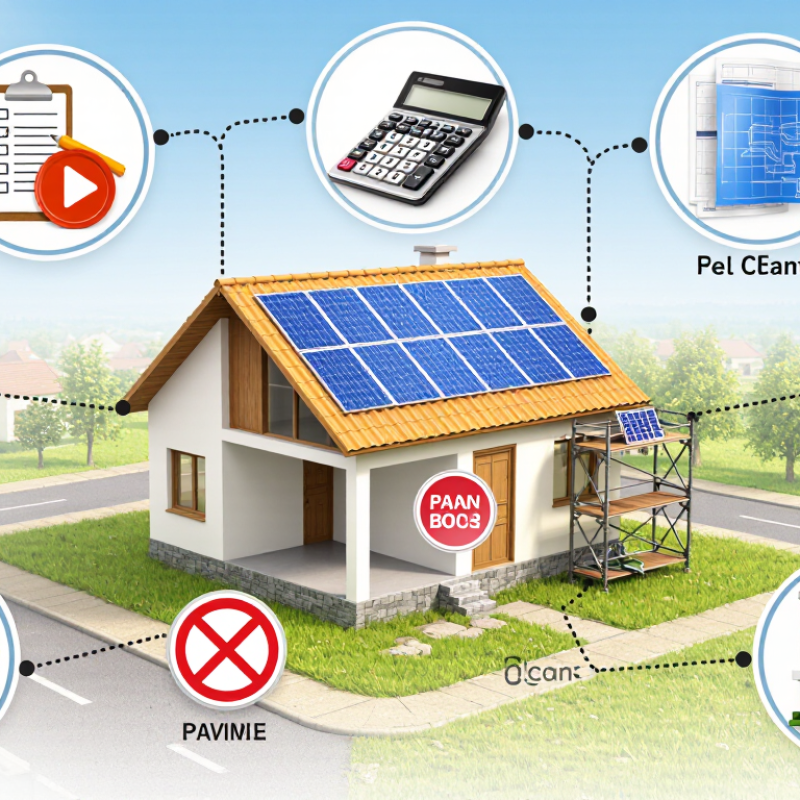
Solar installation costs cover far more than the panels visible on a roof. A professional quote usually includes a site survey, energy-use review, system design, equipment, labor, permits, inspections, and grid connection. The survey checks shade, roof angle, structural strength, and cable routes. Roof condition matters. Replacing worn shingles after installation can require costly panel removal. Some quotes also include an inverter, mounting rails, safety switches, monitoring hardware, and performance testing. These small components keep electricity flowing safely and help technicians diagnose faults.
Labor can be a major line item because installers coordinate several skilled tasks. Electricians connect the system to the household service panel, while roof crews secure equipment against wind and weather. Permit fees vary by location, and older homes may need a service-panel upgrade. Difficult access, steep roofs, long cable runs, or trenching can increase preparation time. Battery storage is usually priced separately, although some proposals bundle it into a larger package.
Ask for an itemized quote. A low headline price may exclude necessary electrical work or future roof repairs. That is not trivial.
Reliable cost comparisons should state system size, estimated annual production, equipment warranties, workmanship coverage, and expected maintenance. A qualified installer should explain assumptions rather than promise exact savings. Production depends on weather, shading, local rules, and household consumption.
I would also question optimistic payback estimates; they can change when utility rates or export credits change.
The honest detail is sometimes uncomfortable: the cheapest proposal may not be the best value. Conversely, expensive equipment does not automatically prove higher quality. Review permits, insurance, references, and contract exclusions before signing. Leave room for uncertainty.
Why Roof Conditions and System Design Increase Expenses
Why Is the Cost of Solar Panel Installation So High?
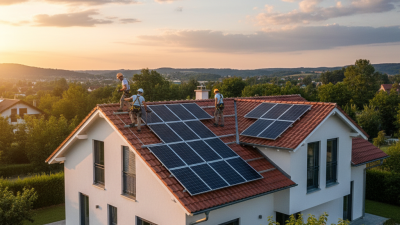
Roof conditions can raise solar installation costs more than many homeowners expect. An experienced installer must inspect the roof’s age, slope, surface, and structural strength before planning the work. Old shingles may need replacement first. A weak section may require reinforcement. Steep roofs also demand extra safety equipment, skilled labor, and more installation time.
System design adds another layer of expense. A roof with several angles may need separate panel layouts and additional electrical components. Trees, chimneys, and nearby buildings can create shadows during different hours. Installers may use site measurements and solar analysis tools to reduce energy losses. However, these assessments are not perfect. Weather, future tree growth, and changing household electricity use can affect the final design. I have found that the cheapest layout is not always the most practical one.
Tips: Ask for a roof condition report and a detailed design explanation. Compare estimates line by line, including reinforcement, permits, wiring, and monitoring equipment. Leave room for honest uncertainty. A careful installer should explain possible changes before work begins, not after hidden damage appears. Get a second inspection if the roof looks uneven, soft, or heavily worn. Small roof repairs can become expensive when delayed.
The Role of Permits, Grid Connection, and Inspection Fees
Why Is the Cost of Solar Panel Installation So High?
The Role of Permits, Grid Connection, and Inspection Fees
A solar quote can look expensive before any panel reaches the roof. In the United States, permits, interconnection, and inspections create several smaller charges. Berkeley Lab’s Tracking the Sun 2024 reports a 2023 median residential system price of $3.15 per watt. That figure includes soft costs, not only hardware. A five-kilowatt system therefore carries a median market value near $15,750, before incentives. Local fees may add less than one percent, or several thousand dollars where engineering reviews become complex. That spread is frustratingly real.
Permit applications often require site plans, structural calculations, electrical diagrams, and separate municipal payments. Inspection fees follow installation, even when the work passes immediately. A 2023 U.S. Department of Energy impact report on automated solar permitting found approval times fell from roughly two weeks to about one day in participating jurisdictions. Faster review does not erase every fee. It can reduce labor, travel, and repeated corrections. My own estimates can fail here. I may price the application, but miss a second inspection or plan revision.
Grid connection is less predictable. Utilities may request an application fee, study deposit, transformer upgrade, or new meter. Berkeley Lab’s Queued Up 2024 report recorded more than 2,600 gigawatts of proposed generation and storage in U.S. interconnection queues at the end of 2023. That congestion signals administrative pressure, though it does not set a homeowner’s bill. Ask for a written fee schedule, upgrade responsibility, and refund terms before signing. Keep inspection receipts and approval dates. Small paperwork details can become expensive delays.
How Location, Incentives, and Market Demand Affect Prices
Why Is the Cost of Solar Panel Installation So High?
Location strongly shapes the final solar price. A clear, south-facing roof usually needs fewer panels and simpler labor. A steep roof, heavy shade, or an 80-foot cable trench can change the estimate quickly. The U.S. Department of Energy reports that soft costs, including design, permitting, customer acquisition, and labor, remain a major part of residential solar prices. Hardware is only one piece.
Local incentives can reduce upfront costs, but they also complicate comparisons. In the United States, the Inflation Reduction Act provides a 30% federal residential clean-energy tax credit for eligible systems through 2032. State rebates and utility programs vary widely. Some require inspections before payment. Others have limited funding. A professional installer should explain eligibility, deadlines, and documentation without promising approval. Incentives are not guaranteed savings.
Market demand also affects pricing. Lawrence Berkeley National Laboratory’s Tracking the Sun 2024 report shows that residential systems continue to grow in size, increasing equipment and installation needs. EnergySage’s 2024 Solar Marketplace Intel Report placed the average quoted residential price near $2.69 per watt, although local quotes differ substantially. High demand can raise labor prices and extend scheduling times. Supply pressure can do the same. That estimate may look precise, but it is not a personal forecast. A roof inspection, electrical upgrade, and local permit review still matter more than a national average.
Why Is the Cost of Solar Panel Installation So High?
How location, incentives, and market demand affect residential solar prices in the United States
Regional installed prices vary because of labor costs, permitting requirements, financing conditions, local sunlight levels, and installer competition. The net-cost estimate applies the 30% federal residential clean-energy tax credit to eligible installation costs. Values are rounded U.S. residential benchmark estimates expressed in dollars per watt, based on public solar cost studies and federal incentive rules.