How to Calculate the Cost of Solar Panel Installation for Your Home?
Calculating the cost of solar panel installation for your home can feel overwhelming. Expert Mark Johnson, a solar energy consultant, emphasizes, "Understanding your costs is the first step toward energy independence." Homeowners often struggle with various expenses when considering solar panels. Moreover, installation costs can vary significantly based on location, panel type, and local incentives.
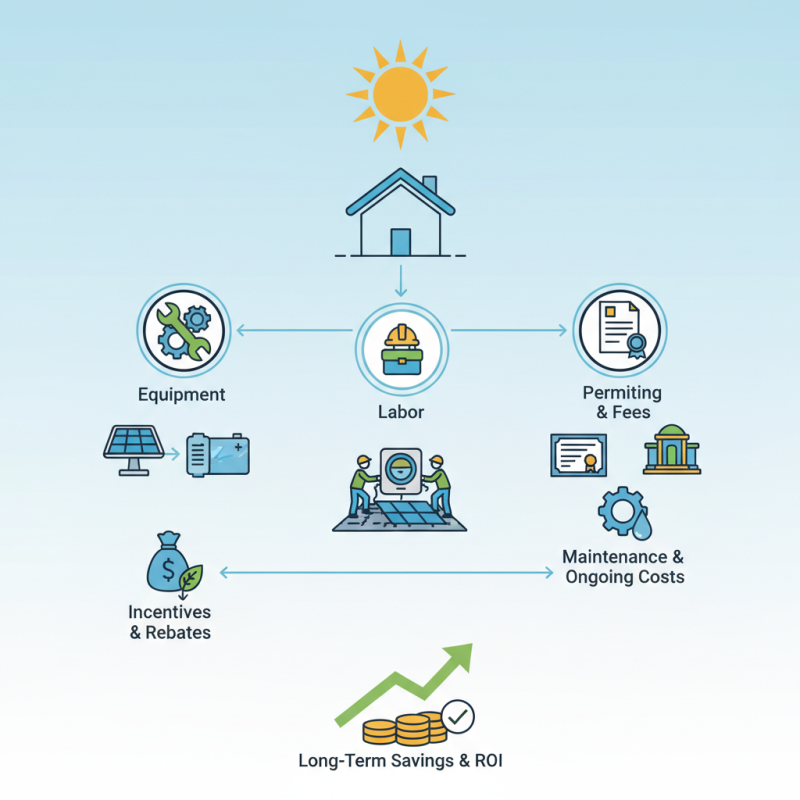
It's important to break down the cost of solar panel installation into manageable parts. Some factors include equipment, labor, and permitting fees. A well-informed approach allows homeowners to avoid common pitfalls. Many underestimate ongoing maintenance costs, thinking they are negligible. This oversight can lead to unexpected expenses.
As you explore your options, consider gathering multiple quotes from reliable installers. Each quote can provide insights into potential hidden costs. Reflect on your energy needs and long-term savings. The investment may seem daunting, but many find financial relief over time. Understanding the full scope of expenses could lead to a more sustainable future.
Understanding the Basics of Solar Panel Installation Costs
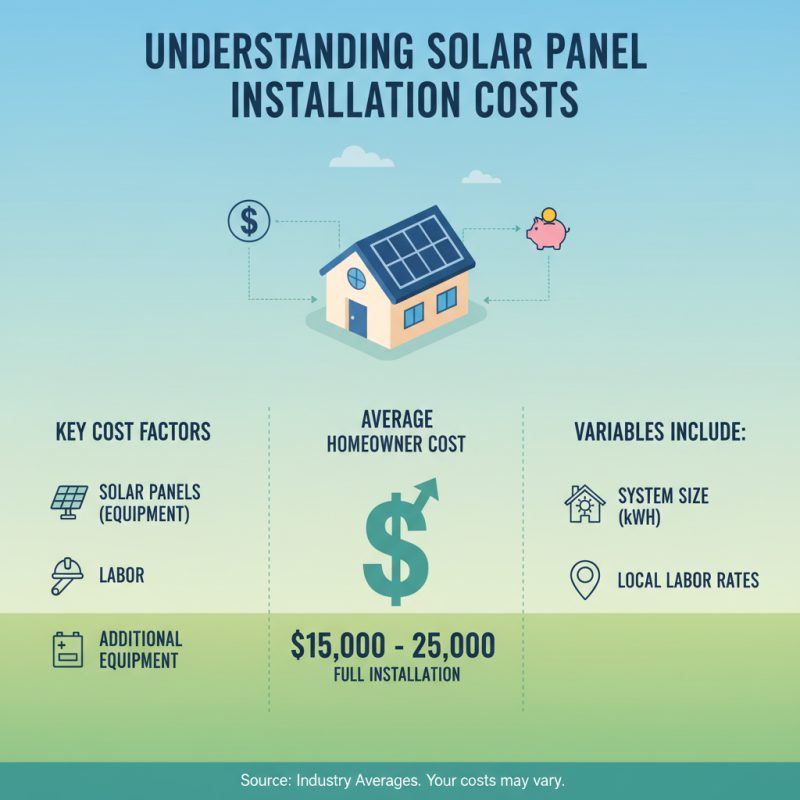
When considering solar panel installation, understanding the cost factors is crucial. The initial price includes the solar panels, labor, and necessary equipment. On average, homeowners can expect to pay between $15,000 and $25,000 for a full installation. However, this figure can vary significantly based on system size and local labor costs.
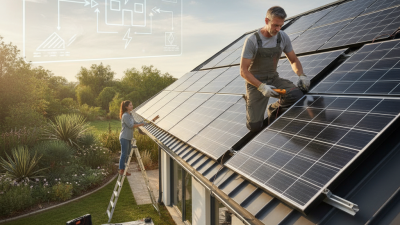
Labor fees are an important component that many overlook. Installation can take several days, depending on the complexity of the roof or system size. Local regulations may require permits, adding extra costs. Some homes may need structural analysis, especially older ones. This step can be time-consuming and potentially expensive if reinforcements are needed.
Incentives such as tax rebates may alleviate some financial strain. However, these programs can be confusing and require careful documentation. Additionally, while solar panels often yield long-term savings, they involve upfront commitments. It's essential to weigh these considerations before making a decision. Understanding every aspect can make the process less daunting.
Key Factors Influencing Solar Panel Installation Expenses
When considering solar panel installation, several key factors influence the overall cost. The type of solar panel selected significantly impacts expenses. High-efficiency panels may cost more upfront but can yield greater savings over time. According to the National Renewable Energy Laboratory, installing solar can reduce energy bills by 50% or more.
Another factor is the installation complexity. Roof type and angle play a crucial role. Complex rooftops may require extra labor and materials, increasing costs. In the U.S., average installation prices range from $15,000 to $30,000, depending on location and system size. Local incentives can also affect overall expenses.
Tips: Always compare multiple quotations. Many companies may offer different pricing structures. This process can help identify the best deal for your home. Additionally, researching local incentives is essential. Some regions provide tax credits, significantly reducing upfront costs.
Finally, consider the long-term benefits over immediate expenses. Analyze your energy consumption and how it aligns with solar energy potential. Investing in quality panels could lead to substantial savings. However, reflect on your specific needs and energy goals before making a decision.
Cost of Solar Panel Installation for Your Home
Calculating Your Home’s Energy Needs for Solar Panel Sizing
Calculating your home’s energy needs is crucial for effective solar panel sizing. Begin by examining your electricity bills. Look at your monthly usage in kilowatt-hours (kWh). This figure gives you a baseline to determine how much solar energy you need. If you notice seasonal variations in usage, adjust your calculations accordingly.
Next, evaluate your household's energy habits. Consider which appliances you use most. Laundry machines, refrigerators, and heating systems may all consume significant energy. Understanding this helps in estimating the panel size. Don’t forget to factor in future changes, like electric vehicles. Your energy needs could increase over time.
Finally, assess the available sunlight at your location. This varies widely based on where you live. You may need fewer panels in sunny areas compared to places with frequent cloud cover. Accurate calculations can be quite complex, and people often underestimate their energy requirements. Refining your calculations through careful observation can lead to more precise solar panel sizing.
Estimating Installation Costs: Equipment, Labor, and Permits
Estimating the cost of solar panel installation involves several essential components. The primary costs include equipment, labor, and permits. A recent report from the National Renewable Energy Laboratory highlights that the average cost of solar systems ranges from $2.50 to $3.50 per watt. Homeowners can expect to pay around $15,000 to $25,000 for a typical 6 kW solar system before any tax credits or rebates.
The equipment cost typically covers solar panels, inverters, and racking systems. Panels alone can account for 30-50% of the total system cost. It's vital to choose high-efficiency panels to maximize energy production, even if they come at a higher upfront cost. Labor costs vary by region, but they generally make up about 15-25% of the total installation cost. Hence, selecting a qualified installer can significantly impact your overall expenses.
Permitting costs are often overlooked but can add another $500 to $2,000 to the project. These fees include applications, inspections, and necessary local permits. Each municipality has its own requirements. Not understanding these can result in unexpected delays. The process of estimating installation costs is complex and varies widely. Homeowners should conduct thorough research and consult multiple sources for accurate budgeting.
Financing Options and Incentives for Solar Panel Projects
When considering solar panel installation, financing options are crucial. Many homeowners face upfront costs that can be daunting. Various financing programs exist to help ease this burden. A report from the Solar Energy Industries Association (SEIA) states that about 70% of solar projects are financed through loans or leases. This allows homeowners to spread out costs over time.
Incentives further enhance the affordability of solar projects. Federal tax credits, like the Investment Tax Credit (ITC), offer a significant deduction, which can cover up to 26% of installation costs. Some states provide additional rebates. For instance, California offers a rebate that can reduce expenses by several thousand dollars. However, these benefits often depend on various factors like income, property type, and project size.
Despite these incentives, not all homeowners engage in solar projects. Complexity in understanding eligibility can deter potential buyers. Additionally, fluctuating state regulations may cause confusion. Reports show that potential buyers often hesitate due to unclear financing options and varying incentives. Therefore, it's essential to conduct thorough research and consult professionals for tailored advice. Engaging with local solar experts can clarify available benefits and make the installation process smoother.