Why Choose Solar Panels for Your House?
Choosing solar panels for house energy is no longer a distant environmental idea. It is a practical decision for many homeowners. Yet the best choice depends on more than bright weather and attractive equipment.
A roof can look suitable from the street. Shade from a chimney may still reduce afternoon production. Roof age, direction, local electricity rates, and household demand also matter. A qualified installer should inspect these details before recommending a system. Request clear estimates for annual output, battery storage, maintenance, warranties, and payback time. Do not rely on optimistic promises alone.
Fatih Birol, Executive Director of the International Energy Agency, has said, “Solar is now the cheapest source of electricity in history.” His statement reflects major cost reductions across the industry. However, lower panel prices do not guarantee savings for every home. Installation costs, financing terms, grid rules, and seasonal sunlight can change the result. That uncertainty matters.
The strongest decision combines professional design with realistic household data. Review your electricity bills. Notice when your home uses the most power. Ask whether a battery is necessary or simply convenient. Solar panels may lower emissions, reduce grid dependence, and protect against future price increases. They may also require roof repairs before installation.
The answer is not automatically yes.
A careful homeowner compares verified products, certified installers, and local performance evidence. Small details often decide whether the system becomes a dependable investment or an expensive disappointment.

How Solar Panels Work in a Residential Energy System
Solar panels turn sunlight into direct current electricity. On a clear morning, rooftop modules may begin producing power before breakfast. An inverter changes this electricity into alternating current for household circuits. Lights, refrigerators, and heat pumps can then use power as it is generated. The process happens quietly. You may only notice it on a monitoring screen.
When production exceeds demand, extra electricity can charge a home battery or flow to the grid. The choice depends on local rules and system design. After sunset, the house draws from the battery, the grid, or both. A battery is not automatically necessary. It adds cost, weight, and maintenance considerations. Without storage, evening demand usually depends more heavily on the grid. Household habits matter here. Running a washing machine at midday can use more solar power directly.
A reliable residential system needs more than panels. Roof condition, shading, wiring, ventilation, and electrical capacity all affect performance. A qualified installer should assess these details with local sunlight data. Actual production varies with clouds, dust, seasonal angles, and equipment aging. Monitoring can reveal these changes early. I would question any promise of complete energy independence. Solar may reduce grid use, but it might not eliminate it.
Key Benefits of Installing Solar Panels at Home
Why Choose Solar Panels for Your House?
Installing solar panels can reduce a household’s dependence on grid electricity. On clear afternoons, panels convert sunlight into usable power for lights, appliances, and cooling systems. A home energy assessment can show how much electricity your roof may produce. Roof angle, shade, weather, and panel direction all matter.
The financial benefit is often practical rather than dramatic. Lower monthly bills can improve household budgeting, especially where electricity prices change frequently. Solar panels may also support energy independence during grid disruptions when paired with properly approved battery storage. However, results vary. A shaded roof may produce disappointing output. The first estimate can look overly optimistic. Ask for production figures based on local sunlight data, not broad averages.
Good installation requires careful planning. Qualified professionals should inspect the roof, wiring, structural condition, and local permit requirements. They should also explain maintenance, safety shutoffs, warranties, and expected performance. Dust, leaves, and bird debris can reduce output, although regular inspections are usually manageable. It is easy to focus on savings and ignore roof repairs. That can create unnecessary costs later. Solar power is cleaner at the point of use, but manufacturing and disposal still have environmental impacts. A thoughtful decision considers both the benefits and the limits.
Factors to Evaluate Before Choosing a Solar Panel System
Choosing solar begins with the site, not the advertised panel rating. Roof direction, pitch, shade, and structural condition affect real production. A chimney’s morning shadow can reduce output more than expected. The International Renewable Energy Agency reported 1,419 gigawatts of global solar capacity by the end of 2023. However, global growth does not guarantee strong performance at your address.
Use hourly electricity bills to estimate your household’s actual demand. Then compare that demand with a site-specific production model, such as the National Renewable Energy Laboratory’s PVWatts tool. Check seasonal differences carefully. Winter heating loads may rise when sunlight is weaker. Battery storage also requires evaluation. Review usable capacity, round-trip efficiency, operating temperature, and replacement assumptions. A larger battery is not automatically better.
Installer quality deserves equal attention. Request shading measurements, equipment datasheets, workmanship coverage, maintenance procedures, and local permitting experience. The International Energy Agency’s Renewables 2024 report shows solar PV remains the largest source of new renewable capacity additions, but rapid deployment can encourage rushed decisions. Ask how performance will be monitored after installation. Inverter failure, roof repairs, and grid constraints can change the economics. I would not trust a payback estimate using one electricity price or perfect sunlight. That estimate is too clean. Compare conservative, expected, and poor-production cases, including financing costs and future roof work.
The Process of Planning and Installing Residential Solar Panels
Why Choose Solar Panels for Your House?
Planning residential solar panels begins with your actual electricity use, not a sales estimate. Collect twelve months of utility bills and note seasonal changes. Shade matters. Trees, chimneys, and nearby buildings can reduce production during important daylight hours. A professional installer should inspect the roof, electrical panel, roof age, and structural condition before designing the system. Not every roof qualifies.
The design should match your home’s roof direction, available space, and expected energy demand. An installer can calculate panel capacity, inverter requirements, cable routes, and possible battery storage. Ask for clear production estimates and realistic assumptions about cloudy weather. My first estimate was too optimistic because it ignored winter shading. That mistake showed me why independent comparisons matter. Measure twice.
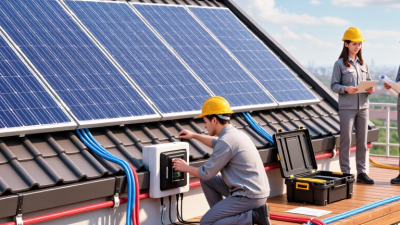
Before installation, check local permits, electrical rules, fire-safety requirements, and utility interconnection procedures. A qualified electrician should complete the wiring and protection equipment. The installation itself may take one or several days, depending on roof access and system size. Workers should secure mounting points carefully and seal penetrations against rain. Request written information about inspections, maintenance, monitoring, and repair responsibilities. After approval, the system can connect to the grid, while monitoring software reveals unusual drops in production. Clean panels periodically, but do not climb onto a fragile roof without proper safety equipment.
Solar Panel Costs, Maintenance, and Long-Term Performance
Why choose solar panels for your house? The financial answer depends on more than the panel price. NREL’s 2023 residential photovoltaic benchmark reported an average installed cost of about $2.68 per watt in the United States. An 8-kilowatt system therefore represented roughly $21,440 before incentives. Local labor, roof repairs, permits, financing, and electrical upgrades can change that figure sharply. A careful quote matters.
Not every roof works.
A shaded roof can produce disappointing savings, even with efficient equipment. Before installation, check roof age, afternoon shadows, drainage, and access for maintenance. The U.S. Department of Energy states that solar systems generally require little maintenance. Still, dust, pollen, bird deposits, and snow can reduce output. A visual inspection after severe weather is sensible. Cleaning should follow local conditions, not a rigid calendar.
Long-term performance is usually more predictable than many homeowners expect. NREL’s photovoltaic degradation research found a median annual decline near 0.5 percent. After 25 years, a well-maintained system may still produce close to 88 percent of its original output. That is an estimate, not a promise. Inverters and monitoring equipment can require attention before the panels do. My cautious view is simple: solar works best when savings calculations include imperfect weather, occasional repairs, and a realistic replacement reserve.