Get Solar Qualified With Our Smart Calculator!

GET ESTIMATE!

$0 Down, No Debt & No Payments for 12 Months, Power Up Smarter with New Solar Lease!

China Top 10 Home Solar Power System Suppliers

China’s solar industry is a major force in the global market. SolarPower Europe’s Global Market Outlook 2024–2028 reports that new solar installations reached about 447 gigawatts worldwide in 2023. China accounted for approximately 216.9 gigawatts of that total. The International Energy Agency’s 2022 report, Solar PV Global Supply Chains, also found that China held more than 80% of global manufacturing capacity across key solar-panel production stages. These figures explain why buyers often consider Chinese suppliers when planning a home solar power system.

Scale matters. Yet it is not a quality guarantee. A supplier’s product range, technical documents, warranty terms, and support after delivery deserve close review. This guide introduces ten Chinese suppliers and compares practical factors, including system components, output options, customization, and experience serving overseas markets. For a homeowner, details are tangible: inverter compatibility, battery capacity, roof space, and clear installation instructions. A low quoted price may not cover every component or service, so compare complete system specifications rather than headline figures alone. No supplier is perfect, and published claims can be difficult to compare directly. The right choice depends on the home, local conditions, and the buyer’s expectations. The following overview offers a starting point, not a substitute for checking current documentation and project-specific requirements.
China Top 10 Home Solar Power System Suppliers

What Defines a Home Solar Power System Supplier in China

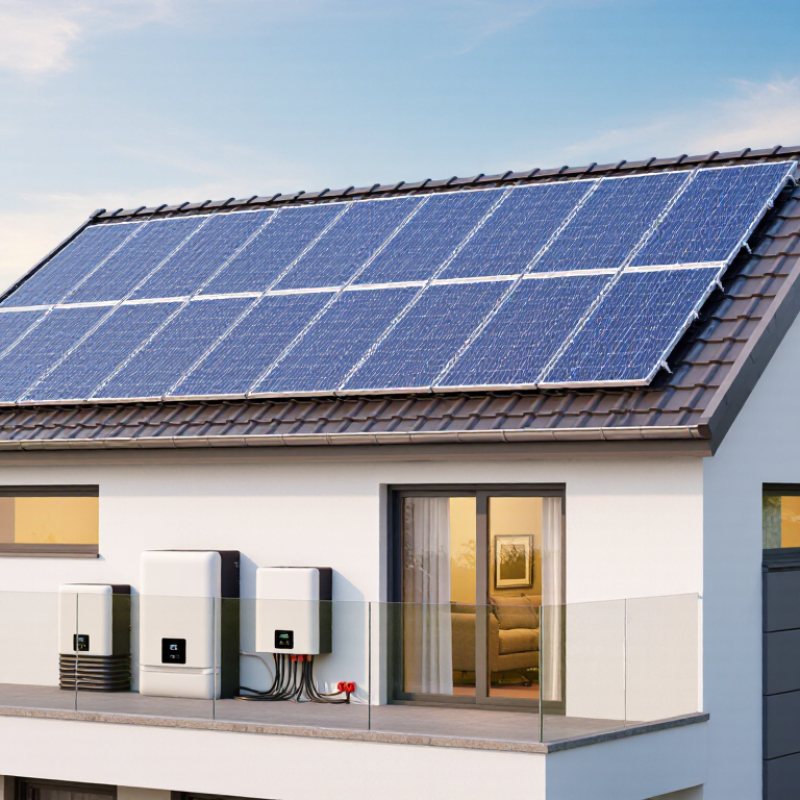
A home solar power system supplier in China should do more than ship panels and an inverter. It should match equipment to roof area, household demand, local weather, and backup needs. Ask for a clear system diagram showing panels, inverter, battery, protection devices, and monitoring. The supplier should explain expected output and the assumptions behind its estimate. A sunny-day figure alone can mislead.

Scale matters, but it does not prove quality. IEA PVPS reported that China installed 235.5 GW of solar capacity in 2023, a huge manufacturing and deployment base. For homeowners, the useful question is how a supplier controls component consistency, testing, packaging, and traceability. Request datasheets, test documentation, warranty terms, and written details on who handles technical support. Check whether the proposed inverter and battery can communicate reliably. Small compatibility gaps can become daily frustrations.

Service deserves equal attention. A dependable supplier should provide installation guidance, fault-diagnosis procedures, and access to replacement parts. Ask how monitoring alerts are handled, and what happens if output falls below the estimate. Not enough. I would also compare the quote’s assumptions with actual roof shading and seasonal use. Supplier descriptions can sound precise while leaving those details vague; that deserves a second look.

How China's Residential Solar Supplier Market Is Organized

China’s residential solar supplier market is a layered network, not a simple list of factories. Upstream companies produce modules, cells, inverters, batteries, and mounting hardware. Some focus on one component; others combine several products into a packaged system. System integrators then match equipment to roof area, household usage, and local grid conditions. Roles overlap. A supplier may manufacture equipment while also supporting project design or distribution.

Installers and regional distributors connect these products with homeowners. They check roof orientation, shading, cable routes, and the space available for storage. Export-oriented suppliers may work through overseas partners, while domestic projects often depend on local installation and service teams. These differences make supplier comparisons less straightforward than a product sheet suggests. Details matter. Ask who handles commissioning, warranty claims, and replacement parts, and request clear technical documentation. A tidy supply-chain diagram can be useful, but it may hide gaps between equipment delivery and reliable after-sales support.

China Top 10 Home Solar Power System Suppliers - How China's Residential Solar Supplier Market Is Organized

The entries below describe ten common supplier types in the residential solar supply chain, not named companies or a ranked list. Actual product availability, certifications, warranties, and installation arrangements vary by supplier and destination market.

Supplier type Typical system scope How it commonly supplies the market Role in the residential supply chain Buyer checks
1. Solar module manufacturers PV modules; mounting, inverters, and storage are usually sourced separately. Sell modules to distributors, installers, project developers, or system integrators. Provide the electricity-generating panels used in a rooftop PV system. Check module specifications, applicable safety certifications, product warranty, and destination-market compliance.
2. Inverter manufacturers String, microinverter, or hybrid inverter equipment; system components may come from other suppliers. Supply equipment through distributors, installers, and system integrators. Convert PV output into electricity suitable for household use or grid connection; some models also manage batteries. Confirm grid-code compatibility, supported battery interfaces, monitoring provisions, and local service arrangements.
3. Residential battery manufacturers Battery packs or energy-storage units, sometimes supplied with a battery management system. Sell to inverter makers, distributors, installers, or complete-system providers. Provide energy storage for compatible solar-plus-storage systems; a battery does not by itself make a PV system grid-independent. Verify usable capacity, power rating, inverter compatibility, safety certification, warranty terms, and installation requirements.
4. Integrated solar-and-storage system suppliers A packaged combination of PV modules, inverter, battery options, controls, and monitoring. Offer coordinated equipment packages to distributors, installers, or end customers. Reduce component-selection work by supplying equipment designed to operate as a system. Check what is actually included, component compatibility, warranty responsibility, and whether installation is included.
5. Mounting and balance-of-system suppliers Roof or ground mounting structures, cables, connectors, and selected electrical protection components. Supply component manufacturers, wholesalers, installers, or system integrators. Provide the structural and electrical components needed to assemble a complete installation. Confirm roof-type suitability, material specifications, wind and weather requirements, and conformity with local codes.
6. Distributed energy management suppliers Monitoring devices, control software, smart meters, or energy-management functions. Provide software or hardware through equipment makers, installers, utilities, or service providers. Help monitor generation, household use, and—where supported—battery operation. Review data access, connectivity needs, software support, privacy terms, and compatibility with system equipment.
7. Complete-system integrators A selected combination of modules, inverter, optional battery, mounting, and electrical components. Source components from multiple manufacturers and sell a configured package to installers or buyers. Coordinate component selection and system design without necessarily manufacturing every component. Request a component-level bill of materials, system design, warranty allocation, and clear after-sales contacts.
8. Export wholesalers and distributors One or more categories of PV equipment, sourced from manufacturers and sold in wholesale quantities. Supply overseas importers, regional distributors, installers, and other trade buyers. Connect manufacturers with buyers and may consolidate products from different suppliers. Verify the actual manufacturer, product traceability, shipping terms, documentation, and who handles warranty claims.
9. Engineering, procurement, and construction providers Site assessment, system design, equipment procurement, installation, and commissioning, depending on the contract. Provide project services directly or work with equipment manufacturers and local subcontractors. Turn equipment into an installed system; residential projects require site-specific design and local electrical work. Confirm installer qualifications, permits, grid-connection responsibilities, commissioning records, and workmanship warranty.
10. OEM and private-label system suppliers Equipment or packaged systems manufactured for sale under a buyer's label or specification. Produce for importers, distributors, or other businesses, often subject to agreed specifications and order terms. Support private-label product programs; the brand owner and factory may be different entities. Identify the legal manufacturer, audit quality controls, verify certification scope, and define spare-parts and warranty responsibilities.

Residential solar systems generally combine PV modules with an inverter and required electrical and mounting components; batteries are optional and depend on system design. Equipment suppliers may be based in China, while permitting, grid interconnection, and installation are typically handled according to the rules and practices of the destination market.

Criteria for Comparing the Top 10 Chinese Suppliers

When comparing Chinese home solar power suppliers, begin with system design, not the catalogue price. Ask for a component-level quotation showing panel wattage, inverter type, battery capacity, protection devices, and installation scope. A 10 kWh battery, for example, does not guarantee a household can run every appliance overnight. Request usable capacity, continuous output, surge rating, and the test conditions behind each figure. Numbers need context. Review warranty terms for exclusions, response times, and who handles service after installation. Check that technical documents match the exact model offered.

Assess quality control through documented inspection procedures and test reports, not broad claims. Ask for references from projects with similar roof layouts, climates, and household loads. Confirm compatibility with local grid requirements and whether a qualified installer can provide commissioning records. Compare delivery estimates, spare-parts access, and the process for resolving faults. A low quote may omit mounting hardware or electrical work, so check the scope line by line. I would not treat a long warranty as proof of dependable service; that shortcut is tempting, but incomplete. Supplier comparisons also depend on how each household values backup power, budget, and service speed.

Profiles of China's Top 10 Home Solar Power System Suppliers

Profiles of China’s Top 10 Home Solar Power System Suppliers

China’s home solar suppliers differ in more than production volume. Their profiles should compare module efficiency, inverter options, battery integration, warranty terms, and local service capacity. The IEA PVPS Snapshot of Global PV Markets 2024 estimates that global photovoltaic installations reached about 447 GW in 2023, with China contributing roughly 60 percent. That scale supports broad manufacturing capacity, but it does not prove that every supplier offers the same quality or support. A useful comparison also checks independent test reports, product certifications, and clear warranty conditions. The “top 10” label should be treated as a shortlist, not a definitive ranking.

Some suppliers focus on compact rooftop packages; others offer modular batteries, monitoring apps, or export-oriented service networks. Buyers should ask for a sample system design showing panel layout, inverter sizing, battery capacity, and expected seasonal output. A profile that lists these details is more useful than a sales claim. Still, paper specifications can miss real installation conditions. A shaded chimney matters.

Tips: Request a written parts list and warranty scope. Confirm who handles service in your area, and compare estimated output against your roof’s actual shade and orientation.

How to Select a Supplier for a Residential Solar Project

Choosing a supplier for a home solar project takes more than comparing the quoted price. Ask for a site assessment based on your roof’s direction, shading, usable area, and monthly electricity use. A useful proposal explains expected output, equipment capacity, and how performance may change across seasons. Request itemized costs, warranty terms, and a clear description of who handles installation and after-sales service. Details matter.

Tips: Ask for recent project references in a climate like yours. Check whether the proposed inverter and battery, if included, match your household’s daily load. Get estimated production in writing, and ask what assumptions support it. Vague answers are a warning sign.

Compare at least three proposals using the same system size and assumptions. A lower price may exclude monitoring, wiring, or roof work. Confirm service response times and how warranty claims are handled. Read the technical documents yourself, even if they look dry. A polished spreadsheet can still hide a weak estimate; I would question any forecast that ignores nearby trees or winter shade. The best supplier should explain trade-offs plainly, not promise perfect savings. Ask how the design can accommodate future changes, such as an electric vehicle or a larger household.

Scroll to Top