How to Choose the Best Solar Panels in Florida for 2026?
Choosing the best solar panels in Florida is crucial for homeowners looking to harness renewable energy effectively. In 2026, with advancements in technology, the landscape of solar panels Florida offers will evolve. Understanding these changes will help you make informed decisions.
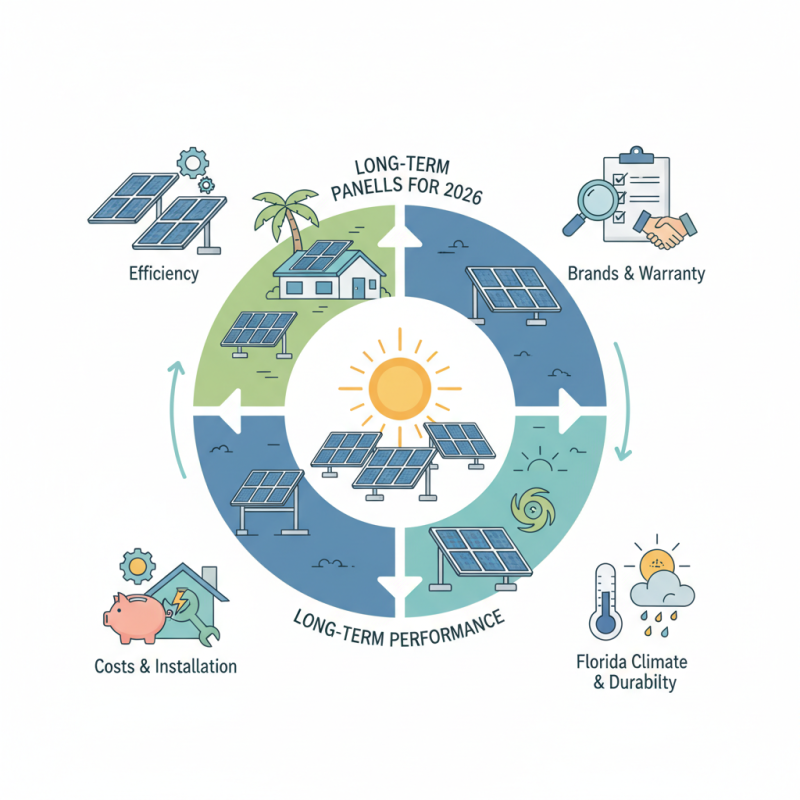
Solar panels come in various types and efficiencies. Factors like installation costs, energy output, and local climate play significant roles in your choice. Florida's sunny environment offers unique opportunities but also challenges. The intense heat can affect performance and durability.
Researching reputable brands and local installers is essential. Look for companies with proven track records and positive customer reviews. However, some options may appear attractive at first glance but can prove disappointing later. Evaluating long-term performance and warranty options is vital. By reflecting on these aspects, you can navigate the evolving solar panel market effectively.
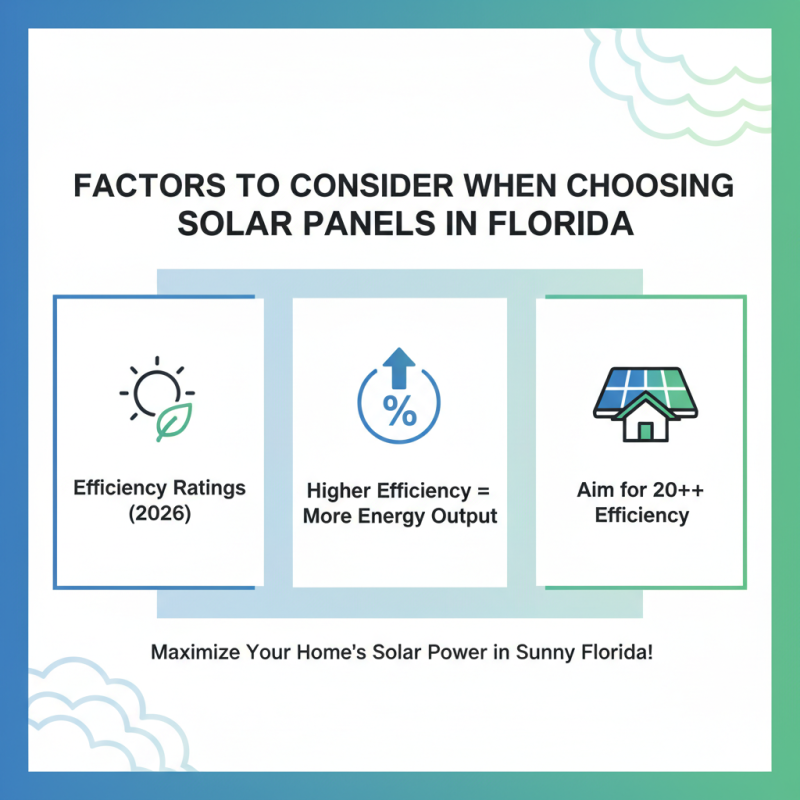
Factors to Consider When Choosing Solar Panels in Florida
When selecting solar panels in Florida for 2026, consider efficiency ratings. Higher efficiency means more energy output. Focus on panels that provide at least 20% efficiency. This can maximize your home’s energy generation, especially in the sunny Florida climate.
Cost is another key factor. Solar panels can vary greatly in price. It’s essential to weigh initial investment against long-term savings. Don’t overlook warranties either. A solid warranty reflects the manufacturer’s confidence in their product. Look for panels that offer at least a 25-year warranty.
Moreover, think about installation. Selecting experienced professionals can make a big difference. Poor installation can lead to lower performance and potential damage. Relying on recommendations and reviews can help identify trustworthy contractors. Reflect on your energy needs too. Are your needs likely to grow? Being realistic about future requirements can influence your choice of panel size and type. Making a well-informed decision now can lead to better energy production down the line.
Understanding Solar Panel Efficiency Ratings for Florida's Climate
When choosing solar panels in Florida, understanding efficiency ratings is crucial. Efficiency refers to how much sunlight a panel converts into usable electricity. In Florida's sunny climate, higher efficiency panels can generate more power, especially during peak sunlight hours.
Research indicates that monocrystalline panels often achieve higher efficiency ratings, sometimes exceeding 22%. This makes them a popular choice among Florida homeowners. However, they come at a higher price point. Polycrystalline panels may be less efficient, with ratings around 15-17%, but they are often more affordable. Weighing costs against efficiency is essential in your decision-making process.
Consider the impact of Florida's humidity and heat. These conditions can affect panel performance, leading to potential reductions in output. For example, a panel rated at 20% efficiency might perform closer to 15% under extreme heat. Look for panels with good temperature coefficients, as they will perform better in elevated temperatures. Local climate factors should influence your choice as much as the efficiency ratings themselves.
Comparing Different Types of Solar Panels Available in Florida
When selecting solar panels in Florida, understanding the different types is crucial. Monocrystalline panels are popular due to their efficiency and sleek design. They often achieve efficiencies of around 20% to 22%. However, they come with a higher upfront cost. This makes them a preferred choice for limited space. Polycrystalline panels offer a more budget-friendly option, with efficiencies averaging 15% to 17%. They are suitable for larger installations but take up more space.
Bifacial solar panels are emerging in the market, gaining attention for their ability to capture sunlight on both sides. These can increase energy generation by up to 30% in certain conditions. Yet, they require specific installations that might not fit every roof type. A common drawback is their higher installation complexity and cost. Thin-film solar panels are another alternative. Though they are lighter and more flexible, their lower efficiency, around 10% to 13%, may not provide enough power for some households.
Some reports indicate that across Florida, consumers are prioritizing efficiency and return on investment when choosing solar panels. Data from the National Renewable Energy Laboratory shows that investing in higher efficiency panels generally leads to greater long-term savings. However, this may not always align with immediate budget constraints. Assessing long-term goals and immediate financial capabilities can lead to better choices.
Evaluating Cost vs. Long-term Savings of Solar Panels in Florida
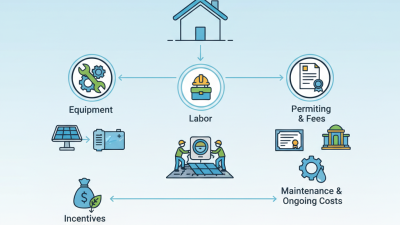
When considering solar panels in Florida, cost and long-term savings should be at the forefront of your decision. Initial expenses can be high. Installation costs might range from $15,000 to $30,000 for an average home. However, Florida’s sunny climate offers a significant opportunity for savings. You could reduce your electricity bill substantially.
Analyzing long-term benefits is crucial. Many homeowners see a monthly savings of around $100 or more. Over a 20-year period, this can accumulate to thousands of dollars. Also, consider incentives and tax credits offered by the state. They can lessen the financial burden by making solar investments more viable.
It’s important to recognize potential challenges. Not every roof is ideal for solar installation. Shade from trees or neighboring houses can impact efficiency. Regular maintenance is also needed to ensure the panels operate effectively. Understanding these factors can enhance your experience while maximizing savings.
Researching Local Solar Panel Installers and Warranties in Florida
When considering solar panels in Florida, it is crucial to research local installers and their warranties. According to the Solar Energy Industries Association, Florida ranks third in the nation for solar capacity, highlighting the importance of choosing a reliable service provider. A well-respected installer can ensure that your solar investment performs well.
Warranties play a significant role in protecting your system over time. Most solar panels come with a typical warranty of 25 years for performance and a 10-year warranty for workmanship. However, the specifics can vary among companies. Local installers may offer enhanced warranties, emphasizing their commitment to service in the community.
It's beneficial to vet potential installers thoroughly. Check online reviews and ask for references. The quality of installation directly impacts the longevity of your solar panels. A poor installation can lead to issues down the line, such as inefficiency or damage. Remember, a low price doesn't always mean better value. Balancing cost with quality and reliability is imperative when making this essential choice.
How to Choose the Best Solar Panels in Florida for 2026?
| Panel Type |
Efficiency (%) |
Wattage (W) |
Average Cost ($/W) |
Warranty (Years) |
| Monocrystalline |
20% |
400 |
$2.50 |
25 |
| Polycrystalline |
16% |
350 |
$2.00 |
20 |
| Thin Film |
12% |
300 |
$1.50 |
15 |
| Bifacial |
22% |
420 |
$3.00 |
30 |