2026 Top Solar Installation Trends You Need to Know?
As we approach 2026, the solar installation industry is undergoing significant transformations. Solar energy continues to gain momentum, driven by innovation and sustainability goals. New technologies emerge rapidly, reshaping how we think about and implement solar solutions.
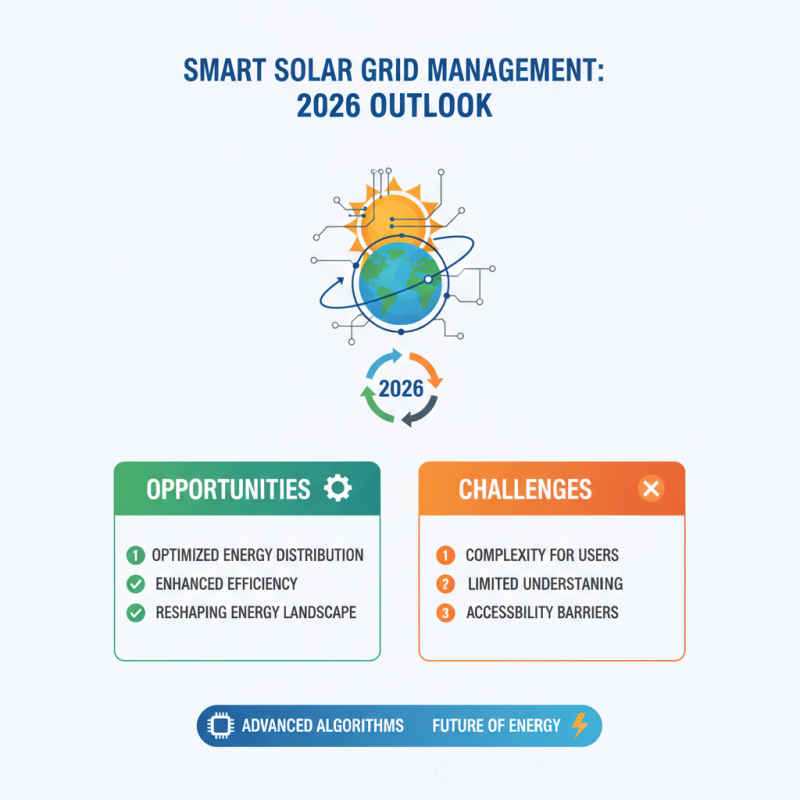
The trends in solar installation reflect a shift towards efficiency and accessibility. Smart home integration is now a key focus. Homeowners want systems that not only generate energy but also interact with other devices. However, challenges remain. Many installations struggle with upfront costs and permit complexities.
As we explore these trends, it is essential to consider the balance between innovation and practicality. Solar installation should not only be about advancements. Understanding user experience and addressing real-world obstacles is crucial. Embracing these trends can lead to a future where solar energy is accessible to all.
Emergence of Bifacial Solar Panels and Their Efficiency Gains in 2026
The shift towards bifacial solar panels is reshaping the solar installation landscape in 2026. These panels capture sunlight from both sides, utilizing reflections from the ground. This design leads to increased energy generation compared to traditional panels. Many installations are already reporting higher efficiency rates. However, the actual performance may vary based on environmental factors.
While bifacial panels promise great benefits, not all installations are ideal. Ground reflection can be affected by soil type, terrain, and nearby structures. Some projects might not achieve the expected efficiency gains. Additionally, installation costs can be higher due to specialized mounting techniques. Careful planning is essential to maximize the advantages of bifacial technology.
The rising popularity of these panels highlights a growing trend in the solar market. Interest is shifting towards innovative technologies that boost energy output. However, this trend also raises questions about long-term reliability and maintenance. Balancing performance with practical implementation remains a challenge for many solar providers. As the market evolves, these considerations will be crucial for future solar projects.
2026 Top Solar Installation Trends You Need to Know
| Trend |
Description |
Efficiency Gain (%) |
Market Share (%) |
Installation Growth Rate (%) |
| Bifacial Solar Panels |
Utilize both sides for energy capture, improving output. |
20 |
35 |
30 |
| Smart Solar Systems |
Integration of IoT for real-time monitoring and optimization. |
15 |
25 |
20 |
| Solar Roof Tiles |
Seamlessly integrate solar technology into roof design. |
10 |
15 |
25 |
| Energy Storage Solutions |
Enhanced battery systems for solar energy storage. |
12 |
20 |
18 |
| Hybrid Systems |
Combine solar power with other renewable sources. |
18 |
10 |
22 |
Impact of Energy Storage Solutions on Solar Installation Demand Trends
Energy storage solutions are reshaping the
solar installation landscape. Homeowners are now seeking systems
that not only generate power but also store it. This trend is heavily influenced by the increasing
demand for energy independence and reliability.
Battery storage allows users to save excess solar energy and use it when needed. This reduces reliance
on the grid, especially during peak hours. Additionally, energy storage makes solar power more appealing,
even in regions with inconsistent sunlight. However, the combination of solar and storage can be challenging.
Costs can be high, and the technology is
evolving rapidly.
Moreover, not every household may benefit from energy storage. Some may find it is not worth the investment.
Evaluating energy needs is crucial. There’s no one-size-fits-all
solution in this growing market. It's essential for consumers to research and reflect on their specific
circumstances before making decisions.
Regulatory Changes Influencing the Future of Solar Installations in 2026
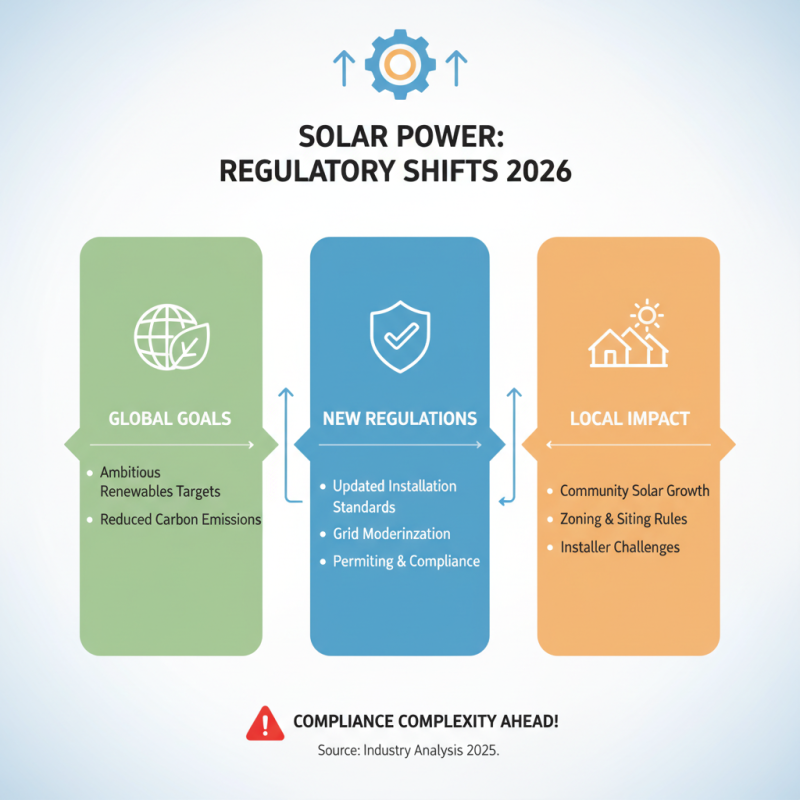
As we approach 2026, regulatory changes are shaping the future of solar installations. Governments are setting ambitious renewable energy goals. These rules will impact how and where solar projects are developed. Local policies may encourage more community solar initiatives. However, compliance with these new regulations can be complex and daunting for many installers.
Another significant aspect is the evolving grid integration requirements. As solar technology advances, utilities may enforce stricter interconnection standards. This ensures that solar systems can efficiently connect to the grid. Yet, the process can lead to delays and increased costs for residential users. Some argue that these regulations can hinder growth in the solar market.
Additionally, incentives may shift as financial pressures change. Tax credits or subsidies could alter or phase out, affecting adoption rates. Homeowners might hesitate to invest in solar if financial support wanes. This uncertainty leads to difficult decisions for both consumers and installers. Reflecting on these evolving regulations is critical to navigate the future landscape of solar energy.
Rising Adoption of Community Solar Projects in Urban Areas by 2026
As urban areas continue to grow, so does the need for sustainable energy solutions. By 2026, community solar projects are expected to witness significant adoption. This trend reflects a shift in how urban residents view renewable energy. According to a 2022 report from the National Renewable Energy Laboratory, community solar installations could jump by 60% in urban settings within just a few years. This increase offers a path for urban dwellers lacking sufficient roof space for solar panels.
Community solar allows individuals to invest in solar energy projects collectively. This method provides access to renewable energy, even for those in apartments or condominiums. Many urban residents will benefit from shared solar resources. However, this model also presents challenges. For example, equitable access and participation can vary. Some low-income neighborhoods may still lack adequate solar options, highlighting a gap we need to address. In 2021, a study showed that only 37% of community solar projects directly engaged low-income families.
Local governments play a crucial role in this transition. Policy support can drive community solar initiatives. However, bureaucratic hurdles can slow down progress. Some projects encounter zoning complications or permit delays. Addressing these issues is crucial for fostering growth. By 2026, we must ensure that all urban residents can access the benefits of community solar, creating a truly inclusive energy future.