Top 10 Benefits of Residential Solar Systems for Homeowners?
As homeowners seek ways to save money and protect the environment, residential solar systems have gained immense popularity. These systems not only reduce energy bills but also provide a sustainable energy source. Many people have realized that investing in solar technology offers a range of benefits. With energy prices on the rise, homeowners are looking for reliable solutions.
What many don’t consider is the long-term impact of residential solar systems. They can increase a home’s value while contributing to a greener planet. Additionally, incentives and tax credits make these systems even more attractive. However, choosing the right system can be overwhelming. Homeowners need to research and consult experts to make informed decisions.
It’s essential to weigh the pros and cons. While solar systems can significantly lower energy costs, the initial investment may seem daunting. Not all homes are suitable for solar installations, and occasional maintenance is necessary. Ultimately, it’s crucial to understand whether residential solar systems align with your financial and environmental goals.
Overview of Residential Solar Systems
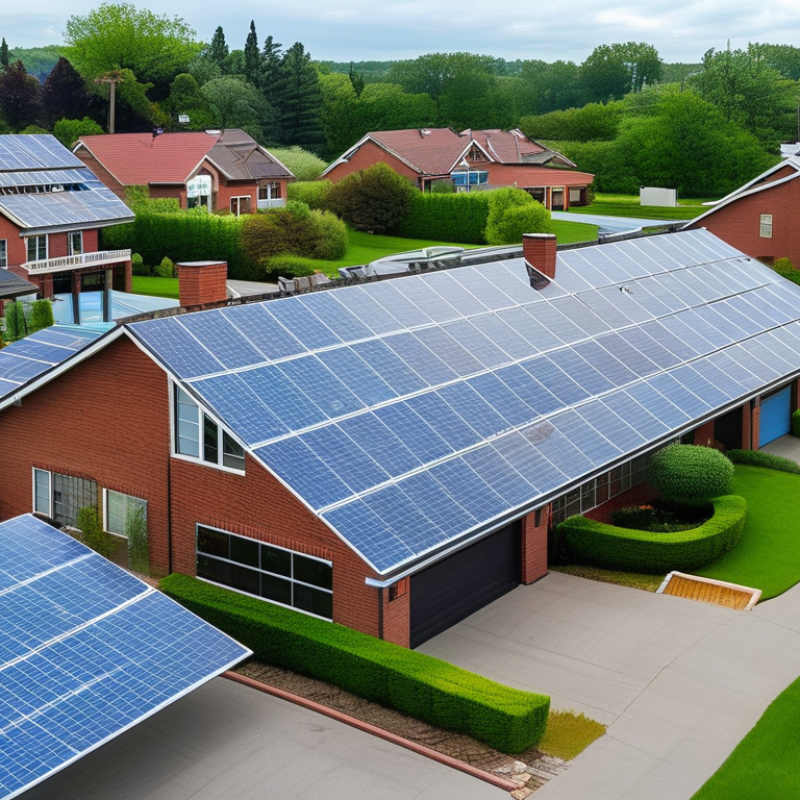
Residential solar systems have gained popularity among homeowners, providing a sustainable energy solution. According to the Solar Energy Industries Association (SEIA), the solar power capacity in the U.S. reached over over 124 gigawatts in 2022. This substantial figure reflects a growing trend toward renewable energy, where solar panels offer an alternative to traditional electricity sources.
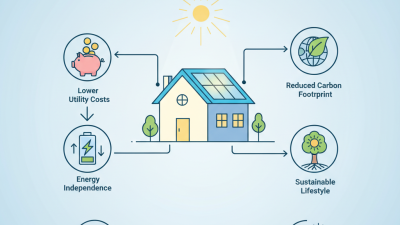
Installing solar panels can result in significant savings on electricity bills. Homeowners can save anywhere from $10,000 to $30,000 over 20 years, depending on their energy consumption and local utility rates. Additionally, the system allows for energy independence, reducing reliance on fossil fuels. Many reports indicate that areas with higher solar adoption also experience increased property values. A study published in the Journal of Real Estate Research found homes with solar installations sold for about 4% more than comparable homes without solar.
Despite these benefits, some homeowners face challenges. The initial installation cost can be a barrier. However, various state incentives and tax credits often offset these expenses. Understanding local policies and rebates is crucial for maximizing savings. Moreover, the efficiency of solar systems can be impacted by geographic and weather conditions, making it essential to evaluate individual circumstances before making a decision. This nuanced approach helps ensure a well-informed transition to solar energy.
Cost Savings on Utility Bills
Residential solar systems present significant cost savings on utility bills, making them an attractive option for homeowners. According to the National Renewable Energy Laboratory, solar panel installations can reduce electricity bills by an average of 20% to 50%. Many homeowners report savings between $1,000 to $1,500 annually, depending on their energy usage and local utilities.
The rise of electricity prices underscores the financial benefits of solar energy. The U.S. Energy Information Administration reported a steady increase in residential electricity prices, averaging 3% per year over the last decade. By harnessing solar energy, homeowners can mitigate these rising costs. Implementing solar systems can often lead to payback periods of just 5 to 7 years, depending on upfront costs and available incentives.
While the cost savings are compelling, it is essential to consider installation costs and maintenance. Some homeowners hesitate to invest due to initial expenses. However, federal tax credits currently incentivize solar installation. It’s crucial to calculate long-term savings before dismissing the idea. Exploring state and local incentives can further enhance overall affordability. This nuanced approach helps assess the true value of solar energy and its long-term financial impact.
Environmental Impact and Sustainability
Residential solar systems play a crucial role in promoting environmental sustainability. By converting sunlight into electricity, they reduce greenhouse gas emissions. This shift can significantly lower your home's carbon footprint. Transitioning to solar energy not only benefits the environment but also conserves natural resources. It's a win-win situation for homeowners and the planet.
Using solar energy can also lead to better air quality. Traditional power sources release pollutants that harm our environment. By embracing solar power, homeowners contribute to cleaner air and healthier communities. However, it’s essential to choose a reputable installer to ensure optimal efficiency. Improper installation can lead to subpar energy production, which undermines the solar system's benefits.
Tips: Regular maintenance is vital for optimal performance. Check your solar panels for dirt and debris. Also, be mindful of potential shading from trees or buildings, as they can reduce energy production. Consider local regulations regarding solar installations. Making informed choices can enhance your system's sustainability benefits.
Increase in Property Value
Residential solar systems are becoming increasingly popular among homeowners. One significant advantage is the increase in property value. Studies show that homes equipped with solar panels often sell for more than comparable homes without them. This price bump can be anywhere from 3% to 5%. Homebuyers are drawn to the prospect of lower energy bills and long-term sustainability.
Investing in solar energy could be a smart financial move. However, this does require careful consideration. Not all homes or locations benefit equally from solar installations. Many factors impact potential property value and returns. For example, the amount of sunlight received, roof condition, and local regulations play crucial roles. While the benefits are notable, it’s essential to weigh these variables before making a decision.
Furthermore, the perception of solar energy is evolving. As more homeowners adopt renewable energy, the market's appetite for solar-equipped homes grows. Still, potential buyers might also have concerns about installation costs and equipment maintenance. By addressing these fears, sellers can enhance their property's appeal. Understanding these nuances helps both sellers and buyers navigate the solar market more effectively.
Top 10 Benefits of Residential Solar Systems for Homeowners
Incentives and Tax Benefits for Homeowners
Installing a residential solar system can unlock numerous financial incentives for homeowners. Many states and local governments offer tax credits that significantly reduce installation costs. The federal solar tax credit allows homeowners to deduct a portion of their solar expenses from their taxable income. This can lead to substantial savings for many homeowners.
Additionally, homeowners may take advantage of rebates and grants offered by various utility companies. These incentives vary by location, so it's essential to research your area’s specific offerings. Some homeowners find it challenging to navigate all available programs. Consulting with a local energy expert can be beneficial in understanding these options.
Tips: When considering solar, review your state’s policies. You might discover incentives previously unknown. Also, keep track of deadlines for tax credits. Missing a deadline can mean losing out on significant savings. Lastly, document all expenses related to solar installation. This will ensure that you maximize your benefits during tax season.