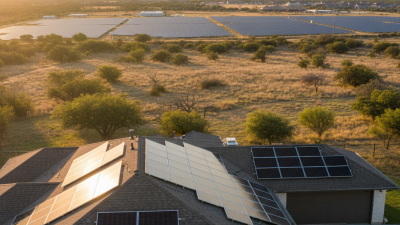
Top 10 Benefits of Texas Solar Energy for Homeowners and Businesses
The growing interest in Texas solar energy is evident among homeowners and businesses alike. As the state's sun-soaked landscape promotes renewable energy, many seek to harness this power. According to Laura McCoy, a Texas solar energy expert, "Embracing solar is not just an environmental choice; it's a financial strategy."
Solar energy offers an array of benefits that go beyond just reducing electricity costs. It leads to greater energy independence and can increase property value. However, some homeowners still hesitate due to upfront costs and installation concerns. There may be worry about choosing the right technology or provider.
Despite these challenges, the advantages of Texas solar far outweigh potential drawbacks. With proper research and guidance, homeowners can make informed decisions. The transition may seem daunting, yet those who embrace it often find lasting rewards. After all, Texas solar energy isn’t just about utilities; it’s about building a sustainable future.

The Financial Savings of Solar Energy for Texas Homeowners and Businesses
Texas solar energy offers significant financial savings for homeowners and businesses alike. With the abundant sunshine in Texas, solar panels can drastically reduce electricity bills. Many homeowners report savings of up to 30% or more after installing solar systems. This reduction can lead to thousands of dollars in savings over time, making solar energy a smart investment.
Additionally, businesses that invest in solar energy can benefit from lower operational costs. The initial investment might seem daunting, but federal and state incentives can ease the burden. Tax credits and rebates are available, making solar more affordable. Some businesses have even reported a return on investment within a few short years. However, it's crucial to consider maintenance costs and potential inefficiencies in a solar system’s performance.
While many Texan homeowners enjoy these savings, not everyone fully realizes the long-term benefits of solar energy. Some may overlook the increases in property values that can come with solar installations. Although there are upfront costs, the long-term financial advantages are compelling. Each dollar saved adds to a brighter financial future.
Top 10 Benefits of Texas Solar Energy for Homeowners and Businesses
This bar chart illustrates the top ten benefits of utilizing solar energy in Texas for homeowners and businesses, rated on a scale from 1 to 10 based on their importance and impact.
The Environmental Impact of Solar Energy Adoption in Texas
Adopting solar energy in Texas has significant environmental benefits. Solar panels reduce greenhouse gas emissions. By harnessing the sun's rays, we decrease our reliance on fossil fuels. This shift improves air quality and mitigates climate change effects. Furthermore, the local ecosystems see a positive impact. Solar farms can coexist with agriculture, promoting biodiversity.
Here are some tips to maximize your solar investment:
- Choose a sunny location for your panels.
- Implementing energy-efficient practices can also boost savings.
- Consider community solar programs if installation isn’t feasible.
- Many areas offer co-op opportunities.
However, there are challenges to consider. Not all homes are suitable for solar installations. Some regions face zoning restrictions. Homeowners must stay informed about local regulations.
This knowledge can help you navigate potential hurdles more effectively. Adaptability is key in this evolving landscape. Taking the plunge into solar should be well-researched.
State Incentives and Rebates for Solar Energy Investment in Texas
Texas is leading the way in solar energy adoption. Homeowners and businesses are increasingly turning to this renewable source. The state offers significant incentives that make solar investment appealing. According to the Solar Energy Industries Association, Texas installed over 7,000 MW of solar power in 2022 alone. This trend is propelled by favorable government rebates and financial incentives.
One of the most notable programs in Texas is the Property Assessed Clean Energy (PACE) financing. It allows businesses to fund solar systems through their property taxes. This option lowers the initial financial burden, encouraging investment. Additionally, homeowners can benefit from the federal Investment Tax Credit (ITC), which covers 26% of the installation costs. This can translate into thousands of dollars in savings.
Despite these advantages, not all areas in Texas have equal access to solar incentives. Some counties lag in implementing these programs. Potential users may face challenges in understanding the application process. The complexity of regulations and paperwork can be daunting. It’s crucial for prospective solar adopters to research thoroughly and consider local legislation. This exploration can uncover potential opportunities for significant benefits and savings.
The Reliability and Resilience of Texas Solar Power Systems
Texas solar power systems offer remarkable reliability and resilience, making them a great choice for homeowners and businesses. The vastness of Texas ensures abundant sunlight, allowing solar panels to generate significant energy year-round. This consistent generation can help offset high utility bills, even during peak usage times. Yet, not all systems function perfectly; maintenance can sometimes be overlooked, leading to unexpected downtimes.
One prominent feature of Texas solar installations is their ability to withstand extreme weather conditions. Heavy storms and high winds are common in the region, but many systems are designed to endure these challenges. This durability brings peace of mind to property owners. However, there can be hiccups in performance. Some users may find that shading from trees or buildings reduces efficiency, which is an important factor to consider before installation.
Moreover, Texas solar energy systems can provide backup power during outages. This is critical for both homes and businesses that rely heavily on electricity. Still, battery storage can be costly, and not everyone can afford it. Ultimately, the benefits of solar energy can be substantial, but careful planning and consideration are essential to maximize these advantages.
Top 10 Benefits of Texas Solar Energy for Homeowners and Businesses
| Benefit |
Description |
Impact |
| Cost Savings |
Reduced electricity bills through solar energy generation. |
Long-term financial savings for households and businesses. |
| Energy Independence |
Decreased reliance on fossil fuels and grid energy. |
Enhanced energy security and stability. |
| Environmental Benefits |
Reduction in greenhouse gas emissions and pollution. |
Contributes to a cleaner, healthier environment. |
| Job Creation |
Employment opportunities in solar energy installation and maintenance. |
Boosts local economies and workforce development. |
| Property Value Increase |
Increased home resale value when equipped with solar systems. |
Attractive asset for prospective buyers. |
| Tax Incentives |
Access to federal and state tax credits for solar installation. |
Reduces upfront costs for installation. |
| Net Metering |
Ability to sell excess power back to the grid. |
Provides additional income for solar energy producers. |
| Low Maintenance |
Solar systems require minimal maintenance after installation. |
Reduced long-term operational costs. |
| Resilience During Outages |
Solar power can provide energy during grid failures. |
Increases energy reliability during storms and outages. |
| Technological Advancements |
Ongoing innovations in solar technology improve efficiency. |
Maximizes energy production over time. |
The Job Creation Potential of the Solar Industry in Texas
The solar industry in Texas is experiencing rapid growth. This expansion brings significant job creation potential for both homeowners and businesses. According to the Solar Foundation's National Solar Job Census, Texas ranks first in the nation for solar jobs, with over 30,000 employed in the sector. This figure represents a vibrant workforce dedicated to renewable energy.
The state has seen a 20% increase in solar jobs year-over-year, outpacing many other energy sectors. Many of these roles focus on installation, maintenance, and sales of solar panels. However, some areas still lack skilled workers. More training programs are necessary to support the growing demand for solar installation.
Moreover, as businesses invest in renewable energy, the local economy benefits. Increased job opportunities in solar energy can lead to more community engagement. Local businesses can thrive as they cater to solar workers and their families. Yet, challenges remain. Some regions struggle with infrastructure to support new jobs. Communities need to adapt to ensure the benefits of job creation reach all Texans.