2026 How to Successfully Navigate Solar Panel Installation Process?
Navigating the solar panel installation process can seem daunting. Many homeowners feel overwhelmed by the choices available. However, understanding key steps can simplify this journey. Solar panel installation is a significant investment. It often requires thorough planning and research to ensure satisfaction.
Choosing the right installer is crucial. Not all professionals offer the same quality of service. Verify credentials and read reviews before deciding. The pricing variable can also be tricky. Some quotes seem appealing but might hide extra costs, making transparency essential.
Lastly, homeowners should evaluate their energy needs. Overlooking this might lead to overspending or underperformance of the solar system. It's important to reflect on each decision. Take your time and ensure each step aligns with your goals for solar energy. The right approach can lead to a successful installation experience.
Understanding the Basics of Solar Panel Installation
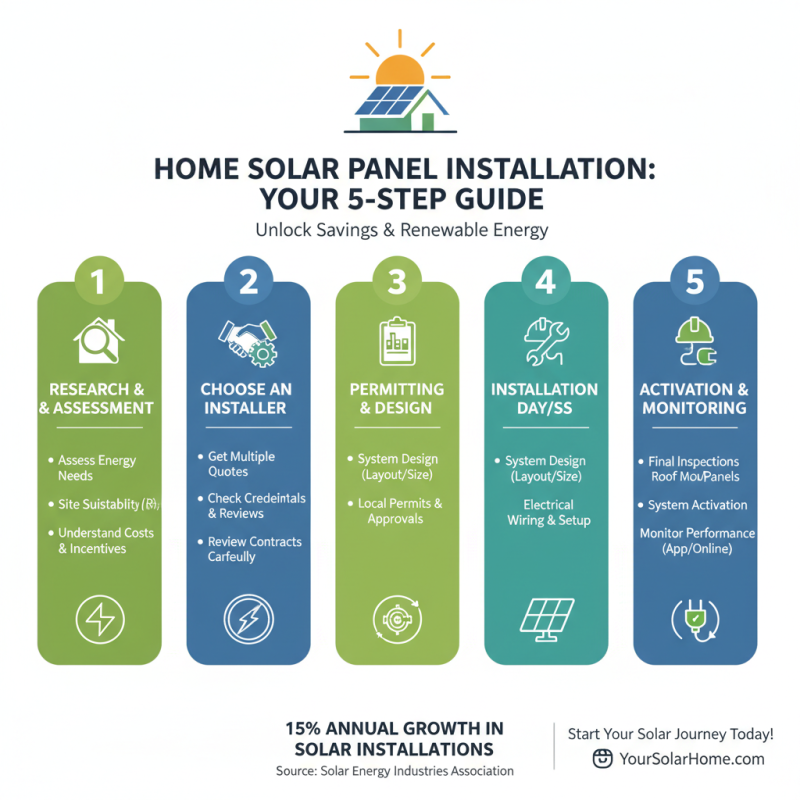
Understanding the basics of solar panel installation is crucial for homeowners considering this renewable energy option. In a recent report, the Solar Energy Industries Association noted a 15% annual growth in solar installations. This trend reflects increased interest and potential cost savings for homeowners. However, navigating the installation process can be daunting.
The installation journey begins with assessing your home’s solar potential. Factors like roof orientation, shade from trees, and local climate play a role. According to NREL, homes with optimal conditions can see energy savings of 50% or more. Still, many overlook the importance of a detailed site evaluation. This step is essential for maximizing system efficiency.
After initial assessments, obtaining quotes from multiple installers is key. A recent study showed that prices can vary by as much as 20% between different companies. Many homeowners feel pressure to choose quickly without comparing their options. This often leads to missed opportunities for better deals or more reputable services. In some cases, lack of research can result in inadequate system sizing, leading to dissatisfaction. Careful planning is essential for a successful transition to solar energy.
Assessing Your Home's Suitability for Solar Energy
When considering solar panel installation, assessing your home's suitability is crucial. The National Renewable Energy Laboratory reports that solar energy systems perform best in areas with ample sunlight. Homes receiving at least six hours of direct sunlight daily are prime candidates. This aspect greatly determines energy efficiency and potential savings.
Evaluate your roof's orientation and structural integrity. South-facing roofs typically capture the most sunlight. However, other angles can still be effective depending on your location. It's noteworthy that older roofs might require repairs or reinforcement before installation. This might add unexpected costs and complexity.
Examine your energy consumption patterns. A comprehensive energy audit can reveal how much energy you need. Understanding your usage helps assess how much solar power you can effectively generate. Additionally, local regulations and incentives play roles in the installation process. Inspecting these factors can prevent future hassles, ensuring smoother implementation of your solar panel system.
Choosing the Right Type of Solar Panels for Your Needs
Choosing the right type of solar panels is crucial for any homeowner. It starts with understanding your energy needs. Calculate your average electricity usage. This gives you a baseline for how much power you need from solar panels. It is essential to review your energy bills from previous months. This data guides your choice.
Consider the efficiency ratings of various panels. Higher efficiency means more energy production in a limited space. If your roof space is limited, this might be a significant factor. On the other hand, if you have plenty of space, you might opt for more affordable choices. Reflect on your budget as well. More efficient panels can be expensive upfront. However, they offer better long-term savings.
Installations can be tricky. Make sure you understand the technical requirements. Not all roofs are suitable for solar panel installation. Some may need reinforcement. Also, the panels need to be appropriately angled to maximize sunlight exposure. Oversights in these areas could lead to less efficiency. It’s worth consulting with experts to avoid these common pitfalls.
Finding and Hiring a Qualified Solar Installation Contractor
Finding a qualified solar installation contractor is crucial for a successful solar panel installation. Start your search online, using local directories and review sites. Look for contractors with strong customer feedback. Reading reviews can reveal valuable insights about their work quality and customer service.
Once you have a list, check each contractor's credentials. Ensure they have proper licenses and certifications. These qualifications indicate they are knowledgeable about industry standards. Schedule interviews or consultations. Prepare questions about their experience, installation process, and warranties. It’s vital to gauge their communication style. A contractor who listens well may reflect a more customer-focused approach.
Be cautious of overly low quotes. They could indicate poor quality materials or service. Ask for references from previous clients. Reach out and inquire about their experiences. It's beneficial to gain a realistic view of potential challenges. Discuss your specific needs and energy goals. A good contractor will offer tailored advice and be open about potential setbacks. Navigating this process may feel daunting, but the right contractor can make it smoother.
2026 Solar Panel Installation Process: Average Costs of Key Components
Navigating Permits and Incentives for Solar Energy Systems
When considering solar panel installation, permits and incentives are crucial. You need to understand local regulations. Each area has specific requirements. Research thoroughly to avoid potential issues. The last thing you want is a setback because of paperwork.
Incentives can significantly reduce installation costs. Tax credits and rebates are often available. These can make solar energy more affordable. However, these incentives vary widely by location. Check what applies to your region. Don’t assume all programs are the same.
Navigating these aspects can be challenging. It might feel overwhelming at times. Seeking professional help can clarify confusing regulations. Be sure to keep track of deadlines. Missing a permit or incentive could lead to wasted time and funds. Remember, even a small error can cause delays.