Top 10 Tips for Successful Solar Installation at Home?
Solar installation can transform your home into a sustainable powerhouse. Investing in solar panels not only reduces energy bills but also contributes to a cleaner environment. However, the process can seem daunting. Many homeowners face challenges during solar installation, leading to mistakes that can be costly.
Planning is crucial for a successful installation. Research your energy needs and evaluate your roof's suitability. Understanding local regulations and incentives can make a difference. You might think about hiring professionals, but DIY installations can save money if done correctly. Yet, DIY carries risks that could lead to extra expenses.
Throughout the installation journey, flexibility is key. Unexpected issues can arise, like shading from trees or incompatible equipment. Reflect on these challenges, as they offer opportunities for improvement. A smooth solar installation requires patience and adaptability. Balancing aesthetics and functionality creates a system that not only performs well but also complements your home.
Understanding Solar Energy and Its Benefits for Homeowners
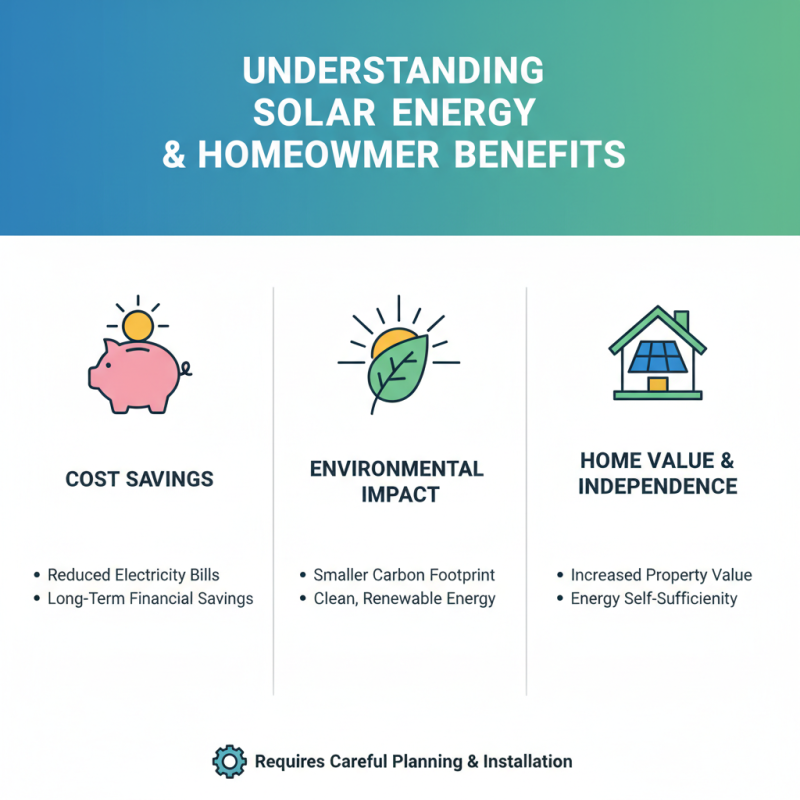
Solar energy is a powerful resource for homeowners. It reduces electricity costs and minimizes your carbon footprint. Installing solar panels can also increase the value of your home. Many people appreciate the long-term savings associated with solar energy. However, the installation process requires careful planning and consideration.
One common mistake is underestimating the space needed. Some roofs may not provide sufficient sunlight exposure. It's essential to assess your roof's orientation and shading from nearby trees. Additionally, understanding local regulations can be complex. Many homeowners overlook permits and inspections required for installations. This can lead to delays and added costs.
Solar technology offers various options. Some prefer solar thermal systems, while others choose photovoltaic panels. Each system has its pros and cons. Homeowners should evaluate what best fits their energy needs. It's important to consult with professionals for guidance. Community incentives can also influence decisions. Researching and asking questions is vital. Making informed choices leads to successful solar integration.
Assessing Your Home's Solar Suitability and Energy Needs
Assessing your home’s suitability for solar installation starts with understanding its energy needs. The U.S. Energy Information Administration reports that the average American home uses about 877 kWh per month. This figure varies based on location, size, and lifestyle. Evaluate your energy consumption patterns. This data is crucial when determining the size of the solar system you may require.
Next, consider your roof’s orientation and angle. Roofs facing south receive the most sunlight throughout the year. A study by the National Renewable Energy Laboratory indicates that a roof with a 30-degree slope captures more sunlight than a flat roof. However, not every roof is perfect. Some may have shading issues from trees or nearby structures. If your roof isn't ideal, ground-mounted solar panels could be an option.
Another aspect to reflect on is local regulations and incentives. Many states offer tax credits or rebates, which can lower installation costs. Researching these can significantly impact your decision. Still, regulations can change. Stay informed to avoid potential pitfalls. Understanding these parameters helps ensure a smoother solar installation journey at home.
Top 10 Tips for Successful Solar Installation at Home
This chart illustrates the importance level of various factors to consider for successful solar installation at home. Each factor is rated on a scale of 1 to 10, providing insights into what aspects are crucial for achieving effective solar energy utilization.
Choosing the Right Solar Technology and System Size
Choosing the right solar technology and system size is critical for successful home solar installation. First, consider your energy needs. An accurate assessment of your household energy consumption guides you in selecting the right size. Calculate monthly electricity usage. Many homeowners overlook this step, leading to oversized or undersized systems.
Next, explore various solar technologies. Photovoltaic (PV) panels and solar thermal systems both offer distinct advantages. PV panels convert sunlight into electricity, which is efficient for powering home appliances. In contrast, solar thermal systems focus on heating water. Each option has its unique installation requirements and costs.
It’s also important to evaluate the available roof space. South-facing roofs capture more sunlight. If your roof isn’t ideal, consider ground-mounted systems. These systems can be flexible but often require more land. Additionally, researching local regulations will impact your choices. Local policies could influence system size limits and incentives. Always keep these factors in mind while planning for your solar journey.
Top 10 Tips for Successful Solar Installation at Home
| Tip Number |
Tip |
Description |
Estimated Cost ($) |
| 1 |
Evaluate Your Energy Needs |
Calculate the energy consumption to ensure the system meets your needs. |
0 |
| 2 |
Choose the Right Solar Panels |
Select panels based on efficiency, warranty, and durability. |
5,000 - 15,000 |
| 3 |
Consider Inverter Options |
Decide between string inverters or microinverters based on your roof layout. |
1,000 - 3,000 |
| 4 |
Calculate System Size |
Size your system based on available roof space and energy needs. |
10,000 - 30,000 |
| 5 |
Analyze Local Incentives |
Research tax credits and rebates available in your area. |
0 |
| 6 |
Select Qualified Installers |
Choose experienced and certified contractors for installation. |
2,000 - 8,000 |
| 7 |
Check for Permits |
Ensure you have all necessary permits before installation. |
100 - 500 |
| 8 |
Consider Battery Storage |
Evaluate whether to add battery storage for energy reliability. |
5,000 - 10,000 |
| 9 |
Plan for Maintenance |
Understand maintenance needs for optimal system performance. |
300 - 600/year |
| 10 |
Monitor System Performance |
Use monitoring tools to track energy production and system health. |
0 - 200 |
Selecting a Qualified Solar Installer and Comparing Quotes
When selecting a qualified solar installer, the importance of research cannot be overstated. According to a report by the Solar Energy Industries Association, nearly 70% of homeowners feel that finding a reputable installer is a challenge. Thus, taking the time to read reviews and seek recommendations is crucial. Look for installers with certifications and experience in your area. Ideally, they should have at least five years of experience, reflecting a strong track record.
Comparing quotes is equally important. Prices can vary significantly, so obtaining at least three detailed quotes is wise. The National Renewable Energy Laboratory found that the price range for solar installation varies by location, which can affect overall costs by up to 15%. Each quote should break down the costs associated with materials, labor, and any warranties. Don’t shy away from asking installers to clarify their pricing structure; it’s essential to understand where your money is going. This effort can help you identify any red flags in the quotes and ensure you make an informed decision. Failure to do so might result in overpaying or selecting an installer without adequate qualifications.
Navigating Permits, Incentives, and Financial Options for Solar Projects
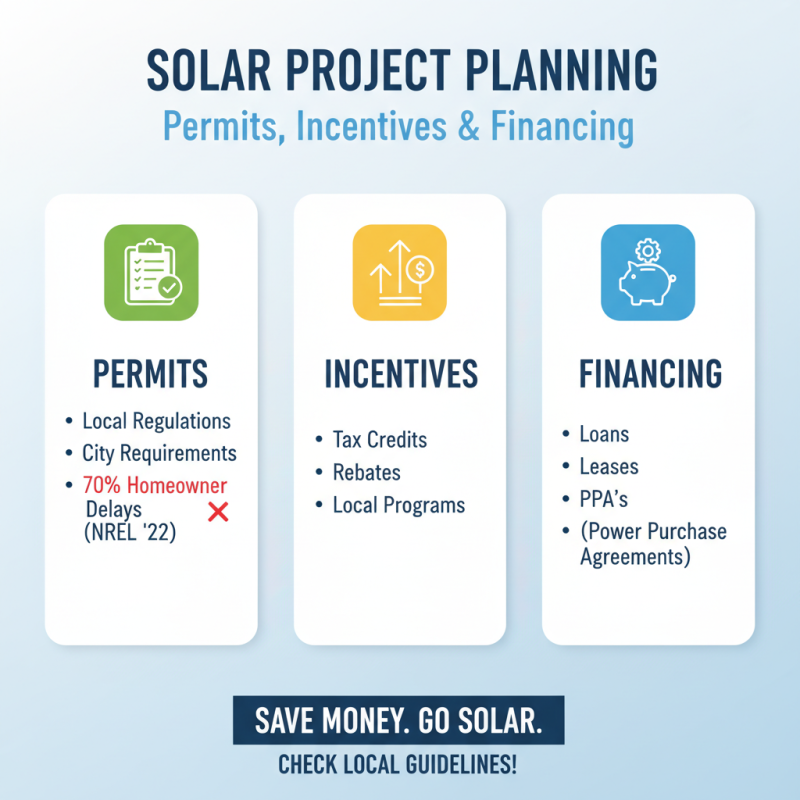
Navigating permits, incentives, and financial options can feel overwhelming when planning a solar installation. One critical step is understanding local regulations. According to a 2022 report by the National Renewable Energy Laboratory, nearly 70% of homeowners face delays due to permit issues. Always check your city’s requirements. Ensure your installation meets all guidelines to avoid setbacks.
Incentives play a significant role in making solar energy more accessible. Federal tax credits allow homeowners to deduct a portion of their installation costs from their income taxes. As of 2023, the solar investment tax credit stands at 30%. However, regional rebates vary widely. Some states offer up to $5,000 in additional credits. Research your eligible incentives carefully.
Financial options are diverse but can be confusing. Many homeowners opt for solar loans or leases. The Solar Energy Industries Association reports that about 50% of installations are financed this way. However, leasing may result in long-term costs that surpass outright purchases. Weigh the pros and cons. Each financial route has potential pitfalls and benefits that require careful consideration.