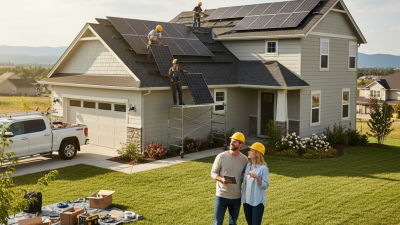
What is the Importance of Residential Solar Panels for Homeowners?
Residential solar panels are becoming increasingly important for homeowners looking to reduce energy costs. According to Dr. Emily Carter, an energy analyst, "Investing in residential solar panels not only saves money but also supports sustainability." Many homeowners are now exploring ways to harness solar energy for their households.
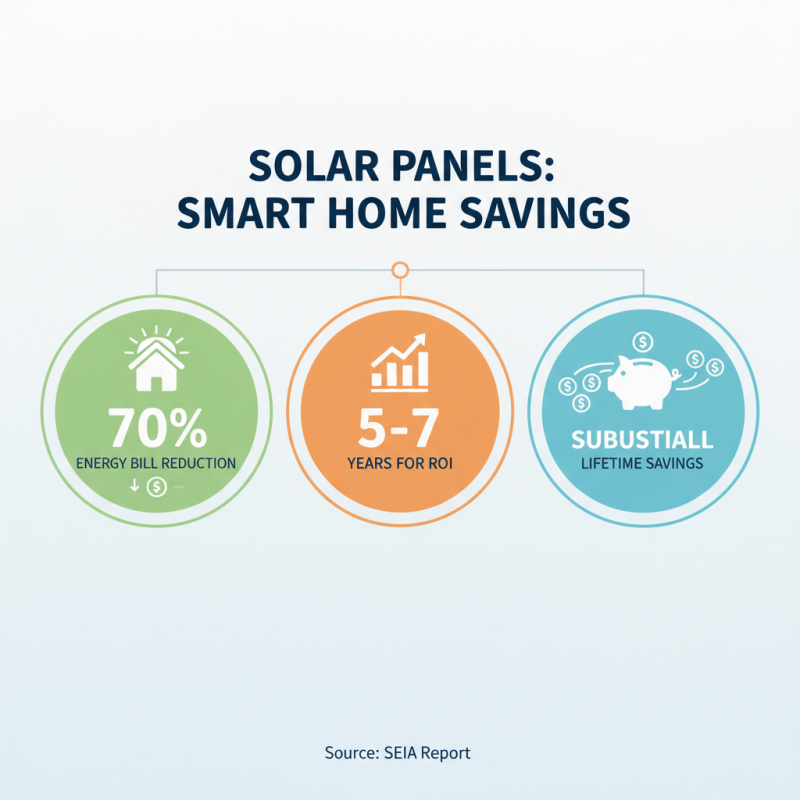
One significant advantage of residential solar panels is the reduction in utility bills. Homeowners who adopt this technology often notice a drop in their monthly expenses. Additionally, solar panels can increase property value, making them a wise investment. However, some challenges remain. The upfront installation cost can be daunting for many families, and not all properties are suitable for solar installation.
Moreover, the effectiveness of solar panels can vary. Factors like location, roof angle, and shading impact performance. Homeowners must carefully consider these elements. While the benefits of residential solar panels are evident, navigating the decisions involved can be complex. The path to solar energy is not always straightforward but remains a compelling choice for modern homeowners striving for energy independence.
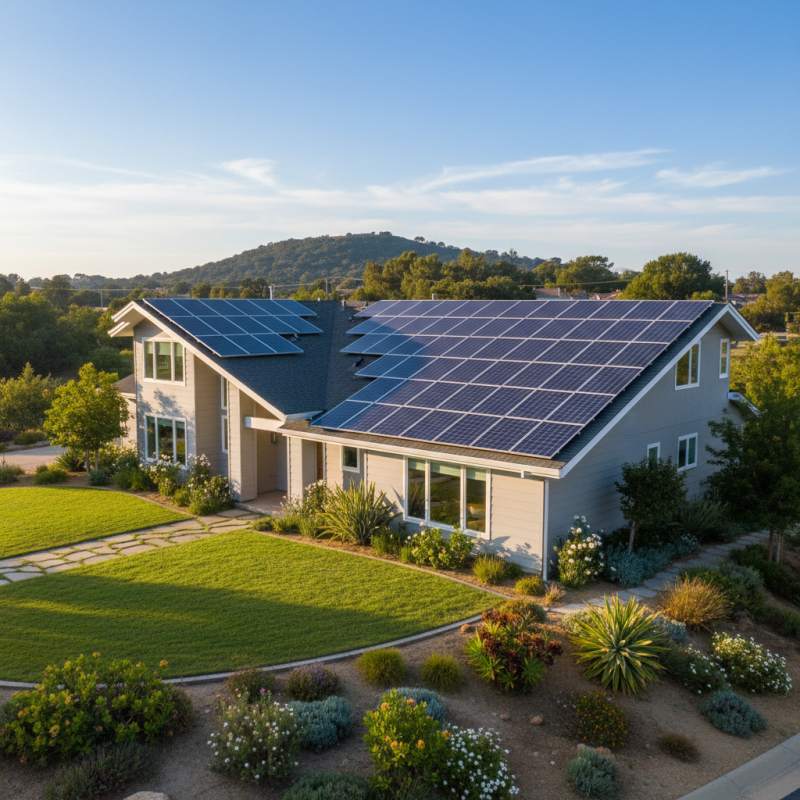
The Role of Residential Solar Panels in Energy Independence for Homeowners
Homeowners are increasingly turning to residential solar panels as a way to achieve energy independence. This shift reduces reliance on traditional energy sources. With a solar system, homeowners can generate their own electricity, leading to lower monthly bills. Solar energy provides a sustainable alternative that contributes to energy security. Independent power generation can also be a hedge against rising utility prices.
Adopting solar energy requires careful planning. Homeowners should assess their energy needs realistically. Consider the roof's orientation and shading before installation. Efficiency matters. Not all panels produce the same amount of energy. Researching installation costs and potential savings is vital.
Here are a few tips to maximize solar efficiency. Regular maintenance, like cleaning panels, can improve energy production. Evaluate your energy consumption patterns. Small changes, like using energy-efficient appliances, can complement solar efforts. Don’t forget to check local incentives and regulations. These can enhance the financial viability of your solar setup. Always remember that solar investment is a long-term commitment.
Environmental Impact of Residential Solar Energy Solutions
Residential solar panels play a vital role in reducing environmental impact. By harnessing sunlight, they generate clean energy. This reduces dependence on fossil fuels, which contribute to pollution. Homeowners can lower their carbon footprint significantly. Every panel installed is a step towards a healthier planet.
However, the manufacturing process of solar panels can be resource-intensive. Raw materials need to be mined, and this can cause environmental disruptions. Additionally, many homeowners may question the efficiency of solar panels in less sunny regions. Not every location is ideal for solar energy generation. Yet, even in cloudy areas, solar panels can still produce energy.
The installation of residential solar panels may seem daunting. Initial costs can be high, and not everyone is ready for the investment. Families may worry about maintenance or whether they will produce enough energy. These challenges are real but essential to tackle. Every effort contributes to a sustainable future, even if the path is not perfect. A commitment to solar energy can lead to noticeable improvements in our environment.
What is the Importance of Residential Solar Panels for Homeowners? - Environmental Impact of Residential Solar Energy Solutions
| Dimension |
Data |
| Average Cost of Installation |
$15,000 - $30,000 |
| Average Annual Savings |
$1,000 - $2,500 |
| Greenhouse Gas Emissions Reduction |
Up to 100 tons over 30 years |
| Return on Investment (ROI) |
10% - 20% |
| Average Payback Period |
5 - 10 years |
| Increase in Home Value |
4% - 6% increase |
| Job Creation in Solar Industry |
Over 250,000 jobs in the US |
Factors to Consider When Choosing Solar Panels for Your Home
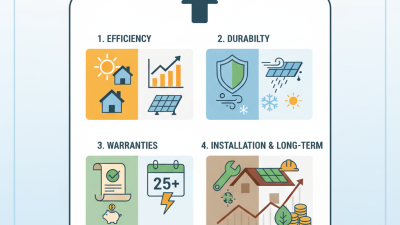
When selecting solar panels for your home, several key factors should be considered.
Efficiency ratings are crucial.
Solar panels typically range from 15% to
22% efficiency. Higher efficiency means more energy
output per square foot. Homeowners with limited roof space might prioritize efficiency over cost.
However, higher efficiency panels often come at a premium price.
Cost is another important factor. According to the Solar Energy Industries Association, the average
cost of solar panel installations in the U.S. is about $3.00 per watt.
This can vary by region and installation type. Evaluating your budget can help determine the type and number of panels needed.
Also, consider the installation process. Some homeowners find it overwhelming. Reflect on your ability to cope with
the logistics of installation.
In addition to these factors, warranties play a significant role.
Most solar panels come with warranties ranging from 10 to
25 years. A longer warranty often indicates better manufacturer confidence.
Yet, not all warranties cover the same issues. Homeowners need to read the fine print.
Understand what’s included and what might be excluded. Making an informed decision can lead to better long-term
energy savings and satisfaction.
Incentives and Rebates for Homeowners Investing in Solar Technology
Investing in solar technology can significantly benefit homeowners. Government incentives and rebates play a crucial role in making this transition easier. Many local, state, and federal programs offer financial assistance for those who install solar panels. These incentives can cover a substantial portion of the installation costs, making solar energy more accessible.
Tips: Research available programs in your area. Eligibility may vary. Be mindful; some rebates have deadlines. Not every homeowner knows they qualify. It can be overwhelming to navigate these options.
The process can feel daunting. Paperwork and applications might discourage some. However, understanding these incentives is vital. A lack of knowledge can lead to missed opportunities. Many individuals overlook potential savings. Engaging with professionals can provide clarity. They can guide you on which programs suit your needs best.
Tips: Keep an eye on changing regulations. Incentives can shift yearly. Understanding these dynamics will better position you in your investment. It’s essential to stay informed.