2026 How to Choose the Best Residential Solar Panels for Your Home?
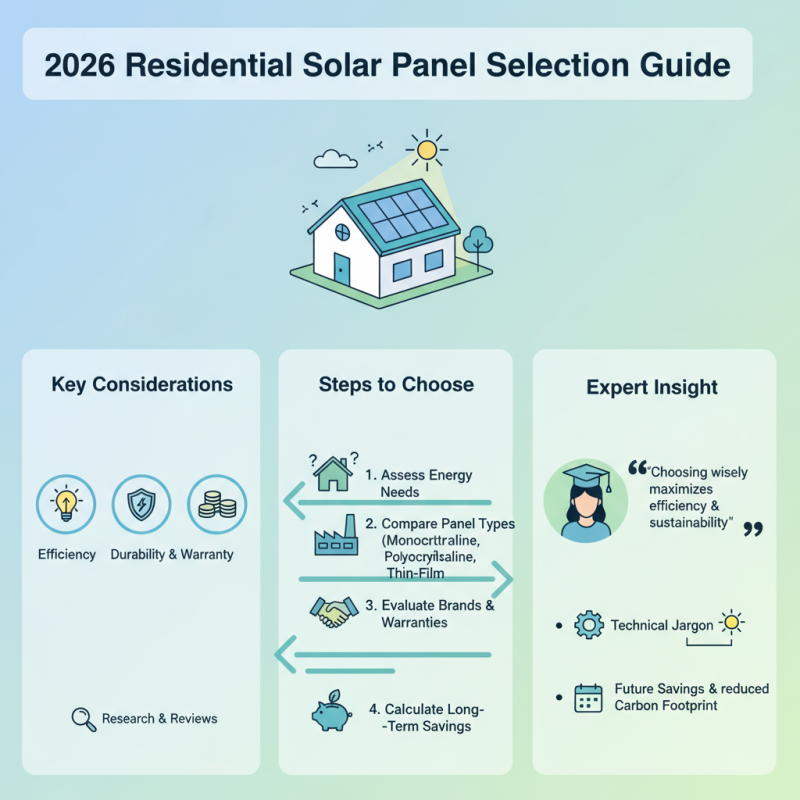
As the demand for clean energy grows, residential solar panels have become a popular choice for homeowners. According to Dr. Emily Carter, a leading expert in renewable energy, “Choosing the right solar panels is essential for maximizing energy efficiency.” This statement highlights the complexity of selecting solar technology tailored to specific home needs.
When considering residential solar panels, homeowners face various options and considerations. Factors like efficiency, durability, and cost play crucial roles in the decision-making process. It's easy to feel overwhelmed by the technical jargon and varying specifications that different brands offer. Homeowners often contemplate questions like, "Which brand has the best warranties?" or "How do I calculate my energy needs accurately?" These reflections can lead to uncertainty.
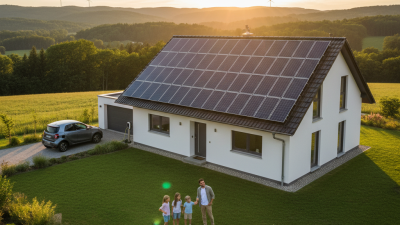
Yet, understanding the specifics can empower homeowners. Researching various solar panel types and reading consumer reviews often uncovers valuable insights. Homeowners should also consider the long-term benefits of investing in quality solar panels. It’s not just about initial costs; it’s about sustainability and future savings. By taking the time to choose wisely, homeowners can transform their rooftops into an efficient power source.
Key Factors to Consider When Choosing Solar Panels for Residential Use
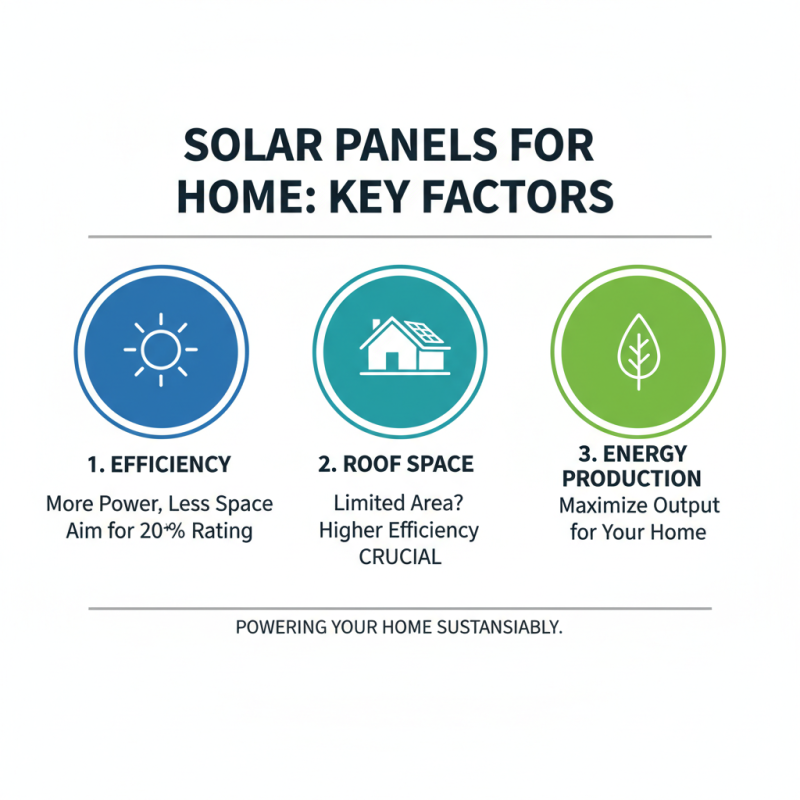
When choosing solar panels for your home, several key factors are crucial. The efficiency of the panels is a primary consideration. Higher efficiency means more energy production from a smaller area. Look for products with efficiency ratings over 20%. This can greatly benefit homes with limited roof space.
Another factor to keep in mind is the warranty period. A solid warranty reflects the manufacturer’s confidence in their product. Typically, warranties range from 25 to 30 years. This indicates long-term reliability and durability.
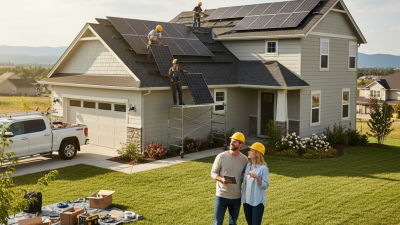
Tips: Always check for certifications such as IEC standards. This ensures the panels meet specific quality and safety norms. Consider the installation company as well; their experience can significantly impact system performance. Lastly, reflect on the aesthetics of the panels. They should blend well with your home’s architecture. Remember that while costs can be higher for premium models, they may offer better long-term savings.
Understanding Different Types of Solar Panels: Monocrystalline vs. Polycrystalline
When choosing solar panels, understanding the types is crucial. Monocrystalline and polycrystalline panels are the most popular options. According to the Solar Energy Industries Association (SEIA), monocrystalline panels account for around 55% of the solar market due to their high efficiency and sleek appearance. They convert approximately 15-20% of sunlight into electricity, making them highly effective for residential use.
On the other hand, polycrystalline panels are often more affordable. They typically have a slightly lower efficiency, around 13-16%. However, recent advancements have improved their performance significantly. Homeowners need to consider their energy needs when choosing between these types. For instance, if space is limited, monocrystalline panels may be the best choice despite their higher price.
Energy savings can be significant. Research indicates that homeowners might save up to 90% on electricity bills over 25 years. Despite these potential savings, it’s essential to evaluate your roof's orientation and shading, as these factors affect the overall efficiency of both panel types. Each option has its pros and cons, and careful consideration is necessary for a sustainable investment.
2026 How to Choose the Best Residential Solar Panels for Your Home? - Understanding Different Types of Solar Panels: Monocrystalline vs. Polycrystalline
| Type of Solar Panel |
Efficiency (%) |
Cost per Watt ($) |
Lifespan (Years) |
Temperature Coefficient (%/°C) |
| Monocrystalline |
15-22 |
$0.70 - $1.20 |
25-30 |
-0.3 |
| Polycrystalline |
13-16 |
$0.60 - $1.00 |
20-25 |
-0.4 |
Evaluating Solar Panel Efficiency Ratings: What You Should Know
When evaluating solar panel efficiency ratings, understanding the metrics is crucial. Efficiency ratings indicate how much sunlight a panel converts into usable electricity. The industry standard for residential solar panels typically falls between 15% and 22%. According to the National Renewable Energy Laboratory, this range can significantly affect your energy savings over time.
Look at real-world conditions when assessing efficiency. Panels may perform differently in various climates. For instance, high-efficiency panels perform better in low-light conditions. In places with frequent cloud cover, these models can yield more energy. Additionally, consider degradation rates. Most panels lose about 0.5% to 1% efficiency annually. An efficient panel will retain around 80% of its original performance after 25 years.
Investing in high-efficiency panels can increase upfront costs, but the long-term savings may balance this. A recent report from the Solar Energy Industries Association highlighted that efficient systems tend to have shorter payback periods. Furthermore, you should consider local incentives and rebates. These can offset initial expenses and improve overall value.
Comparing Costs: Initial Investment vs. Long-term Savings on Energy Bills
When considering residential solar panels, comparing costs is crucial. The initial investment in solar panels can be significant. According to industry data, the average cost of a residential solar system can range between $15,000 and $25,000 before any incentives. This upfront cost may deter many homeowners.
However, long-term savings can be substantial. A study by the National Renewable Energy Laboratory found that homeowners can save upwards of $20,000 over 20 years on energy bills. These savings largely stem from lower electricity costs and potential tax credits. Additionally, solar panels typically increase property values. Homes with solar installations can sell for about 4% more than those without.
While the financial benefits are clear, not all systems provide the same returns. Specific factors, like local energy rates and solar incentives, vary widely. Homeowners should assess their circumstances carefully. It’s also vital to consider maintenance costs over time. While solar panels require minimal upkeep, unexpected repairs can impact savings. Balancing initial investment with potential savings is critical for making an informed decision.
2026 How to Choose the Best Residential Solar Panels for Your Home?
This chart presents a cost and savings analysis for choosing residential solar panels. It illustrates the initial investment, annual energy savings, and the payback period, helping homeowners evaluate the financial feasibility of solar energy solutions.
Importance of Local Climate and Sunlight Exposure on Solar Panel Performance
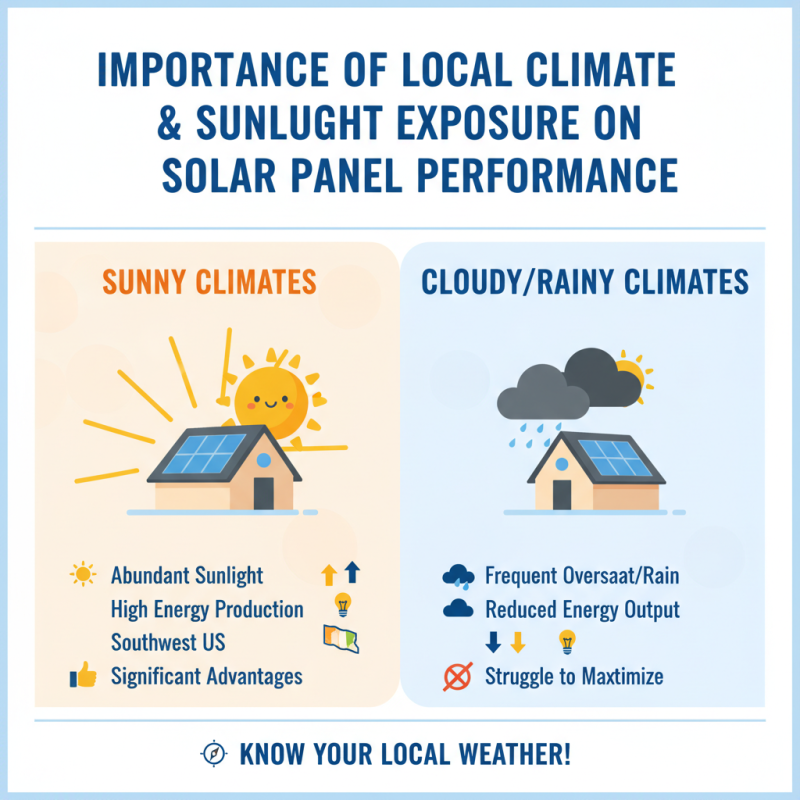
When choosing residential solar panels, local climate plays a key role in performance. Areas with abundant sunlight will produce more energy. For instance, homes in sunny regions like the Southwest gain significant advantages. Conversely, regions with frequent overcast or rain will struggle to maximize solar output. Understanding your local weather trends is crucial.
Sunlight exposure isn’t the only factor. The angle and orientation of your roof matter too. A south-facing roof typically captures more sun. But, if your roof has shade from trees or buildings, performance drops. Many homeowners overlook this in their planning. Sometimes, panels may not perform as expected. Analyzing your unique environment can prevent future regrets.
It’s also vital to consider seasonal changes. Some areas have cloudy winters that affect solar production. This could lead to reliance on grid energy during these months. Monitoring energy needs throughout the year can help identify the right system size. Making informed choices now can lead to greater satisfaction later.