2026 How to Harness Solar Power for Home Efficiently?
As the world shifts toward sustainable energy, solar power for home use stands out. According to the Solar Energy Industries Association, the U.S. solar market grew 20% in 2022 alone. More homes are turning to solar options to cut energy costs and reduce their carbon footprint. However, many homeowners still face challenges in maximizing solar efficiency.
Understanding how to harness solar power effectively is crucial. Inadequate sunlight exposure, choosing the wrong system size, or failing to maintain solar panels can hinder expected savings. Research indicates that poorly installed systems can lose up to 30% of potential energy.
Despite the promise of solar, many still feel uncertain about the upfront costs. A 2021 report indicated that nearly 25% of homeowners did not pursue solar due to financial concerns. Yet, incentives and financing options offer ways to ease the burden. The journey toward efficient solar power for home use requires careful planning and reflection on individual needs.
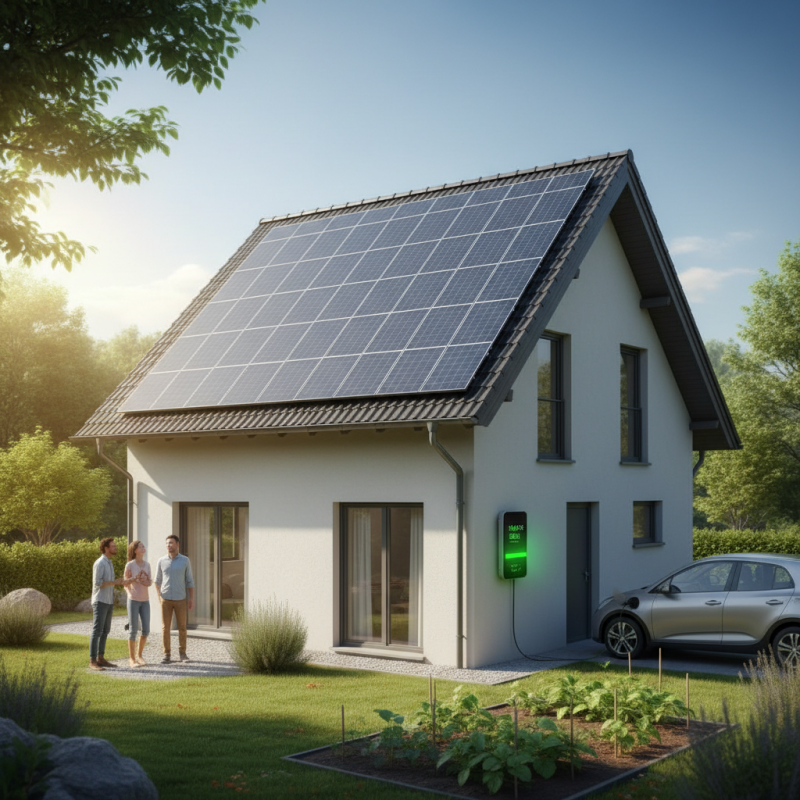
Understanding Solar Power Basics and Benefits for Home Use
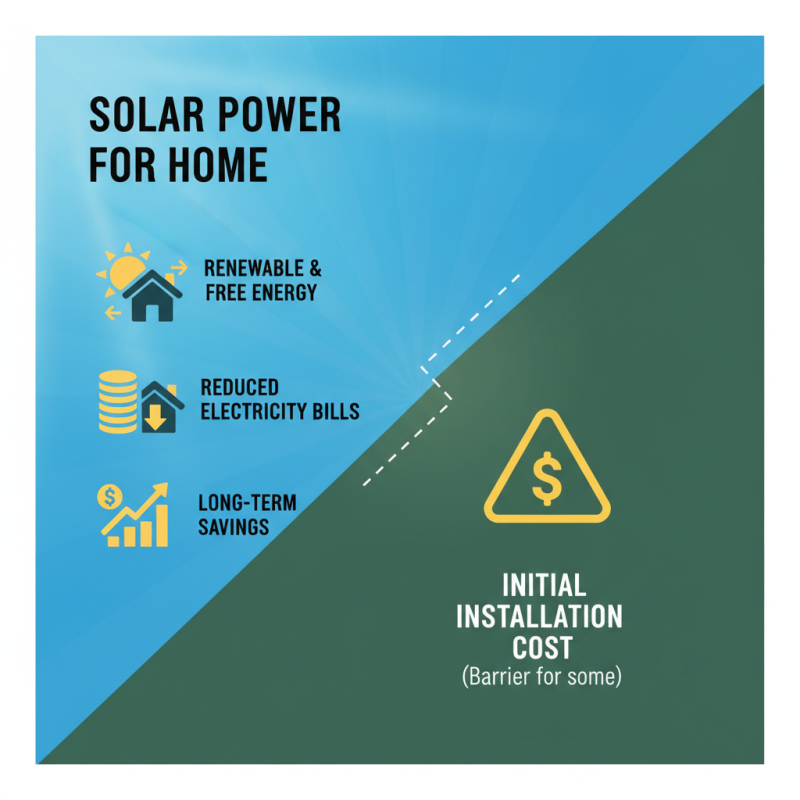
Harnessing solar power for home use presents numerous benefits. It taps into a renewable source of energy. Sunlight is abundant and free. Homes equipped with solar panels can reduce electricity bills significantly. This can lead to long-term savings. However, the initial installation cost can be daunting for some homeowners.
Understanding the basics of solar power is essential. Photovoltaic cells convert sunlight into electricity. These systems can be installed on rooftops or in yards. Proper orientation and shading are vital. Homeowners must consider their location and sunlight exposure. Although solar installations can be complex, learning about the technology helps make informed decisions.
There are also environmental benefits. Solar energy generates no harmful emissions. It contributes to a sustainable future. Still, it's important to reflect on personal energy consumption habits. Are there ways to reduce usage? This self-reflection can maximize the positive impact of solar energy in the home.
Assessing Your Home's Suitability for Solar Energy Installation
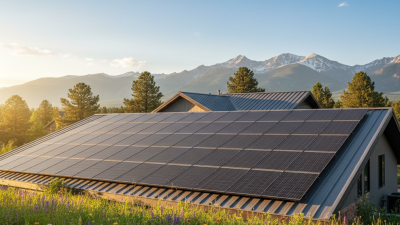
Assessing your home's suitability for solar energy installation is crucial. Start by evaluating your roof's orientation and pitch. Ideally, roofs should face south for maximum sun exposure. According to the Department of Energy, homes with south-facing roofs can gain up to 30% more energy. If your roof is shaded by trees or buildings, this could significantly reduce efficiency.
Consider your local climate. Homes in sunny areas, like the Southwest, see higher solar energy efficiency. Data shows that locations with at least 4-5 hours of direct sunlight daily are prime candidates for solar panels. Don't forget to check your local regulations. Some areas have specific zoning laws or permits required for installation.
Tips:
1. Conduct a shading analysis of your property.
2. Use solar potential calculators available online.
3. Consult with local solar experts to assess unique conditions.
Reflect on your energy needs and usage patterns. High energy consumption may require larger systems. It's worth noting that installation costs can vary widely. While solar energy can save money long-term, upfront costs are significant. Make an informed decision, and remember that every home is unique. Consider these factors carefully before committing to solar energy.
2026 How to Harness Solar Power for Home Efficiently? - Assessing Your Home's Suitability for Solar Energy Installation
| Aspect |
Details |
| Roof Orientation |
South-facing roofs are ideal, while east and west can also work. |
| Roof Material |
Asphalt shingles or metal roofs are best for solar installation. |
| Shading |
Minimize shading from trees or buildings to maximize efficiency. |
| Energy Consumption |
Analyze your current energy bills to estimate potential savings. |
| Local Incentives |
Research state and federal tax credits to lower installation costs. |
| System Size |
Choose a system size based on your energy needs and roof space. |
| Installation Angle |
A tilt of 30-45 degrees is generally optimal for solar panels. |
| Battery Storage |
Consider battery solutions for energy independence and backup. |
| Maintenance |
Regular cleaning and inspections are necessary for optimal performance. |
Choosing the Right Solar Technology and System Type for Your Needs
When it comes to solar power, the right choice can make a significant difference. Different technologies suit different needs. Traditional photovoltaic panels are popular. They convert sunlight directly into electricity. These systems are often grid-tied, allowing you to sell excess energy back. However, they require a sunny location for maximum efficiency.
Alternatively, solar thermal systems harness heat from the sun. These systems work well for heating water. They are ideal for regions with high hot water demands. Yet, these systems can be more complex to install. Maintenance can also be more intensive. You may need to consider your local weather patterns and energy needs before choosing.
In addition to technology, the system type matters. Off-grid systems allow energy independence. They may require batteries for energy storage. Yet, they can be pricey and may need regular maintenance. Grid-tied systems are often cheaper initially. However, they depend on the grid’s reliability. Your energy goals will dictate the best option. It's vital to weigh these factors carefully before committing.
Installation Process: Steps to Set Up a Home Solar Power System
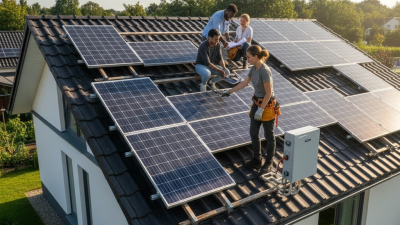
Installing a home solar power system can seem daunting. The installation process consists of several key steps. Begin by assessing your energy needs. Calculate your average electricity usage to determine the size of the solar system required. This is a crucial first step. Next, evaluate your property’s solar potential. Factors like roof orientation and shade can impact energy production.
Once you have this information, choosing the right solar equipment is essential. Solar panels and inverters vary in performance and price. Research is key here.
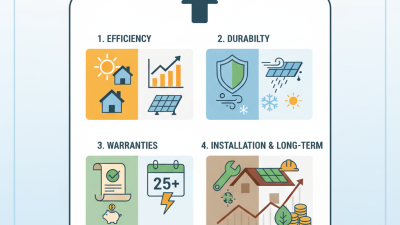
Tips: Look for products with high efficiency and good warranties. Don’t rush this decision; it can affect your system's longevity.
After selecting your equipment, the installation process begins. Typically, you'll need to secure permits. This can take time and may involve some unexpected delays. It’s important to communicate with local authorities.
Another tip: consider hiring professional installers, especially if you lack the technical know-how. Their expertise can save you from costly mistakes. Remember, while the installation can feel overwhelming, following these steps can lead to a successful solar setup.
Maximizing Efficiency: Tips for Optimizing Your Solar Energy Output
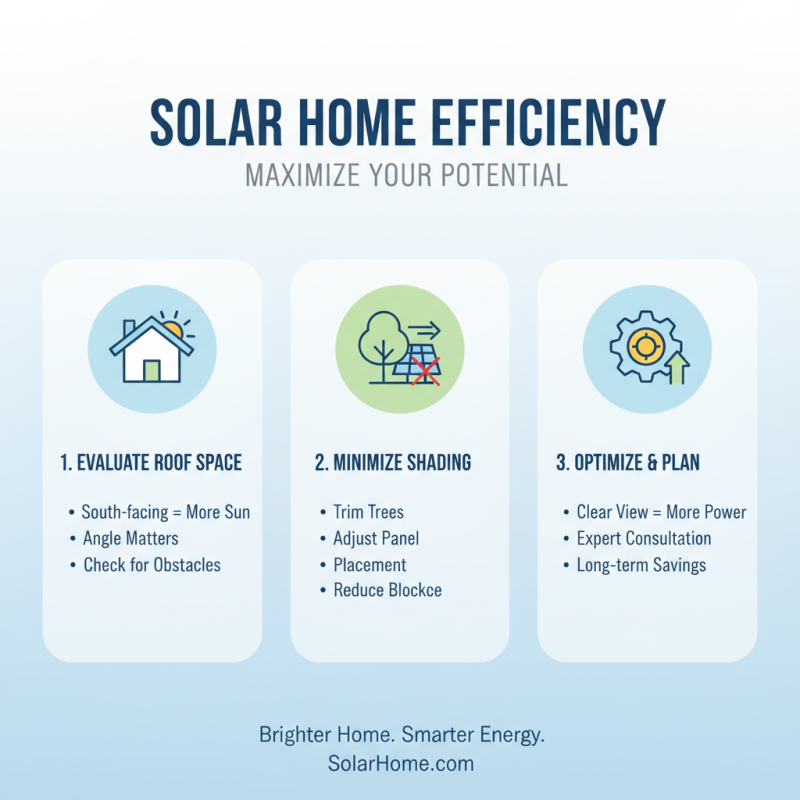
Solar energy offers great potential for homeowners. However, maximizing its efficiency requires careful planning and execution. Start by evaluating your roof space. South-facing roofs generally receive the most sunlight. But not everyone has that ideal angle. Trees or surrounding buildings may cast shadows. Consider trimming trees or adjusting the panel placement to reduce shading.
Next, invest in high-efficiency solar panels. They convert sunlight into electricity more effectively. However, these panels often come with higher costs. It's essential to weigh the initial investment against long-term savings. Regular maintenance is crucial too. Dust and dirt can hinder output. Clean your panels as needed, especially in dusty areas.
Monitoring your energy usage is just as important. Track your consumption patterns to identify peaks. This helps you optimize when to rely on solar power. Using appliances during the day can enhance efficiency. Yet, sometimes it’s hard to change habits. Many homeowners struggle with shifting routines. Finding the right balance can be challenging but rewarding.