10 Essential Tips for Choosing Residential Solar Panels for Your Home
Choosing the right residential solar panels is crucial for homeowners considering renewable energy. Many options are available, each with unique benefits and drawbacks. This decision can be overwhelming, especially when considering costs, efficiency, and installation.
When selecting residential solar panels, understanding your needs is essential. Do you want to maximize energy savings or reduce your carbon footprint? Knowing your goals can influence your choice. Research plays a key role; reading reviews and consulting with experts can provide insights.
Despite the information available, homeowners often face indecision. It can be hard to navigate the array of products. It's essential to ask the right questions and evaluate options critically. Investing in residential solar panels demands careful thought and reflection. This guide aims to simplify the process by offering ten essential tips, ensuring you make a sound decision for your energy future.
Understanding Your Energy Needs Before Choosing Solar Panels
Understanding your energy needs is crucial when choosing residential solar panels. Start by analyzing your electricity bills from the past year. This will give you a clear picture of your monthly usage. Look for patterns. Do you use more electricity during summer or winter? A thorough analysis helps you pick the right system size.
Next, consider your household's energy habits. Are there specific times when electricity usage spikes? Maybe after work hours or during weekends? Identifying these habits will guide you in selecting the most efficient solar panel system. It’s essential to ensure that the system you choose aligns with your actual needs.
Lastly, don't forget to think about future changes. Will you be adding more appliances? Planning to expand your family? These factors might increase your energy demands. Being aware of potential changes can influence your decision on the size and capacity of the solar panels. It's a delicate balance between your current needs and future possibilities. Taking time to reflect on these aspects can lead to smarter, more personalized choices.
Exploring Different Types of Solar Panels for Residential Use
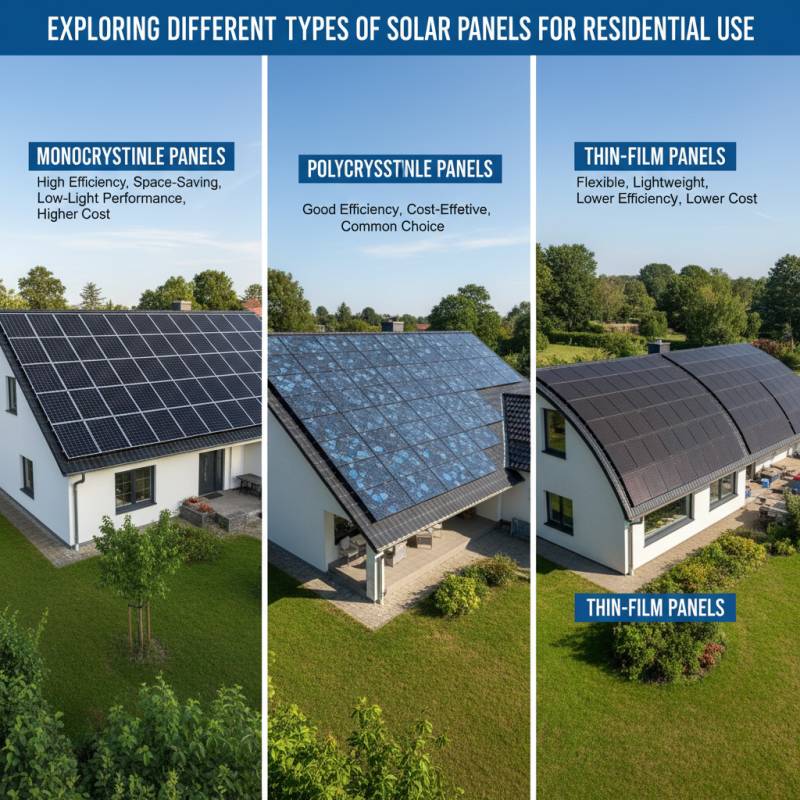
When considering solar panels for your home, understanding the types available is crucial. There are primarily three types: monocrystalline, polycrystalline, and thin-film panels. Monocrystalline panels are efficient and space-saving, making them ideal for smaller rooftops. They tend to perform better in low-light conditions. However, they often come with a higher price tag.
In contrast, polycrystalline panels are generally more affordable. They are less efficient compared to monocrystalline panels but can be a great choice for larger spaces. Homeowners must weigh their budget against the space available for installation. Thin-film panels are another option. Although they are lightweight and flexible, their efficiency is lower. Installing them might require more roof space.
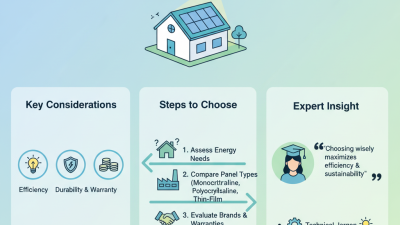
Choosing the right panel type involves balancing efficiency and cost. Reflecting on your energy needs is vital. Sometimes, the best option might not be the most popular one. Consider local climate and sunlight exposure when making your decision. Remember, what works for one home may not suit another. Make informed choices through research and consultation.
Evaluating Your Home's Solar Potential and Installation Space
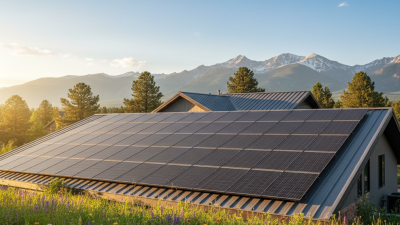
Choosing the right solar panels involves evaluating your home's solar potential and installation space carefully. Start by assessing your roof's orientation and angle. South-facing roofs receive the most sunlight. A tilt between 15 and 40 degrees is ideal for solar energy capture. According to the U.S. Department of Energy, homes with optimal roof placement can generate up to 80% of their energy needs from solar power.
Consider shading from trees or surrounding buildings. Even small amounts of shade can reduce efficiency. A shaded panel can lose up to 30% of its energy production. Tools like solar pathfinders can help determine how much sunlight your roof receives throughout the year. Also, calculating your available installation space is crucial; an average residential solar installation requires about 100 square feet per kW.
Reflect on your specific energy needs. A common household uses about 877 kWh per month. This equates to around 7.5 kW of solar capacity for optimal performance. You might find your roof isn't large enough for a full system. In such cases, exploring options like solar canopies or community solar programs can provide additional solutions. Each home is unique, requiring a tailored approach to harnessing solar energy effectively.
10 Essential Tips for Choosing Residential Solar Panels for Your Home
This chart illustrates key factors to consider when choosing residential solar panels, including efficiency, cost, lifespan, warranty, and temperature coefficient. A thorough evaluation of these metrics can help homeowners make informed decisions about their solar investments.
Comparing Costs, Incentives, and Financing Options for Solar Energy
When considering solar panels for your home, understanding costs and financing is essential. Start by researching the average price of solar installations in your area. Prices can vary widely based on location and panel type. Typically, residential solar systems cost between $15,000 and $30,000. However, many incentives can significantly reduce upfront expenses.
Incentives, such as federal tax credits, can cover a large percentage of the installation cost. Check your state for additional rebates or financing options. Some regions offer low-interest loans, making solar energy more accessible. This financial support can lessen the burden on homeowners.
As you explore financing options, remember to compare several solar providers. Not all financing plans are equal. Some may include hidden fees or unfavorable terms. Ask tough questions and seek clarity. Understand that long-term savings should outweigh initial costs. Solar energy can lead to substantial savings over the years, but it's crucial to make an informed choice.
Choosing a Reputable Installer and Understanding Warranties and Support
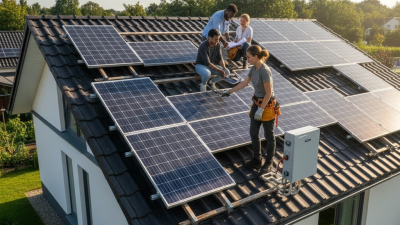
When selecting solar panels for your home, finding a reputable installer is crucial. Take time to research local companies. Look for installers who have positive reviews and a solid history in the industry. Ask for references from previous customers. This step can provide insight into their reliability and professionalism.
Understanding the warranties and support options is equally important. Check what each warranty covers. Some warranties only cover equipment, while others include labor. A good warranty reflects the manufacturer's confidence in their product. Ensure that you understand the terms clearly. Support after installation is vital, too. Some companies offer ongoing maintenance and troubleshooting. This can make a big difference in your solar system's longevity and performance. If an installer seems vague about their support, this could be a red flag. Reflect on these factors to make an informed decision.