How to Choose the Best Solar Panels in Texas for Your Home?
Choosing solar panels for your home in Texas can be overwhelming. With numerous options available, making the right decision is crucial. Expert John Smith, a specialist in solar energy, emphasizes, "The right solar panels can significantly reduce your energy bills." This statement highlights the importance of careful selection.
In Texas, the climate is perfect for solar energy. Many families are eager to harness this sustainable power source. However, not all solar panels are created equal. Factors such as efficiency, warranty, and installation costs must be considered. Many consumers overlook long-term savings for upfront costs, which can be a mistake.
Understanding the local industry trends can aid your decision. Researching reliable providers and comparing products is essential. Don't rush the process; quality matters more than quantity. A wise choice today can lead to significant savings and environmental benefits tomorrow.

Understanding the Different Types of Solar Panels Available in Texas
When selecting solar panels in Texas, it’s crucial to understand the different types available. Texas receives abundant sunlight, making solar energy a suitable choice for many homes. The main types of solar panels are monocrystalline, polycrystalline, and thin-film. Each has its pros and cons, impacting efficiency and cost.
Monocrystalline panels are known for high efficiency, often exceeding 20%. They perform well in limited space. However, they come with a higher price tag. Polycrystalline panels are more affordable but typically have lower efficiency, around 15-17%. Texas homeowners should consider their roof size when making a decision. Thin-film panels are the least efficient but are lightweight and flexible. They can be a good option for specific applications, though fewer homes utilize them.
According to the U.S. Department of Energy, Texas ranks first in solar potential. Despite this, many homeowners face challenges understanding what works best for their property. Poor installation can lead to inefficiencies, even with the best panels. Consumers should research and consider local climate conditions before purchasing. While seeking the right type of solar panel, it's vital to reflect on these factors for a sustainable investment.
Evaluating Energy Needs and Solar Potential for Your Home
When evaluating your energy needs, start by assessing your monthly electricity usage. Look at past utility bills to gather data. This informs you about how much energy your future solar panels must generate. Consider factors like seasonal variations in energy demand. Your usage may spike in summer with air conditioning or winter with heating.
Next, examine the solar potential of your roof. Factors such as orientation, shading, and angle are crucial. A south-facing roof typically captures more sunlight. Trees or nearby buildings can create shadows that reduce efficiency. Sometimes, your roof's age may require repair or replacement, impacting your solar plans. Understanding these details ensures you select the right type and size of solar panels.
Availability of sunlight in your area is also significant. Texas generally has ample sunlight, but local weather patterns can vary. Checking historical weather data helps gauge how much solar power you can expect. It’s also wise to stay aware of changing technology and incentives that could enhance your solar experience. Keeping an eye on these factors can lead to more informed decisions.
Key Factors to Consider When Selecting Solar Panels
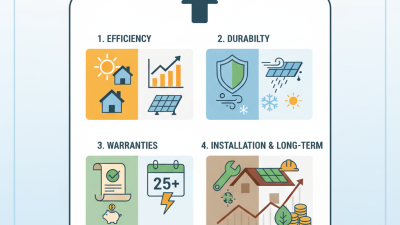
Choosing solar panels for your Texas home involves several important factors. Start with efficiency. Look for panels that convert more sunlight into electricity. This is crucial in Texas, where sunlight is plentiful. The right panels can significantly reduce your energy bills.
Consider the warranty as well. A good warranty reflects durability and performance. You want assurance that your investment is protected. However, not all warranties are created equal. Some may seem appealing but have limitations.
Next, think about installation requirements. Not every panel is suitable for all rooftops. Assess your roof’s angle, size, and shading. A poor fit can lead to suboptimal energy production. Take your time to evaluate various options. Balancing cost and quality can be challenging. Rushing through this process may lead to regrets later.
How to Choose the Best Solar Panels in Texas for Your Home? - Key Factors to Consider When Selecting Solar Panels
| Factor |
Description |
Importance |
Recommended Value |
| Efficiency |
Measures how well the panel converts sunlight into usable electricity. |
High |
20% or higher |
| Durability |
Ability to withstand harsh weather conditions over time. |
High |
25-year warranty |
| Cost |
Total price of the solar panel system including installation. |
Medium |
$2.50 to $3.50 per watt |
| Temperature Coefficient |
Indicates how performance decreases with increased temperature. |
Medium |
-0.4%/°C or better |
| Aesthetic Design |
Visual appeal and compatibility with the home’s architecture. |
Low |
Personal Preference |
Comparing Solar Panel Brands and Their Warranties
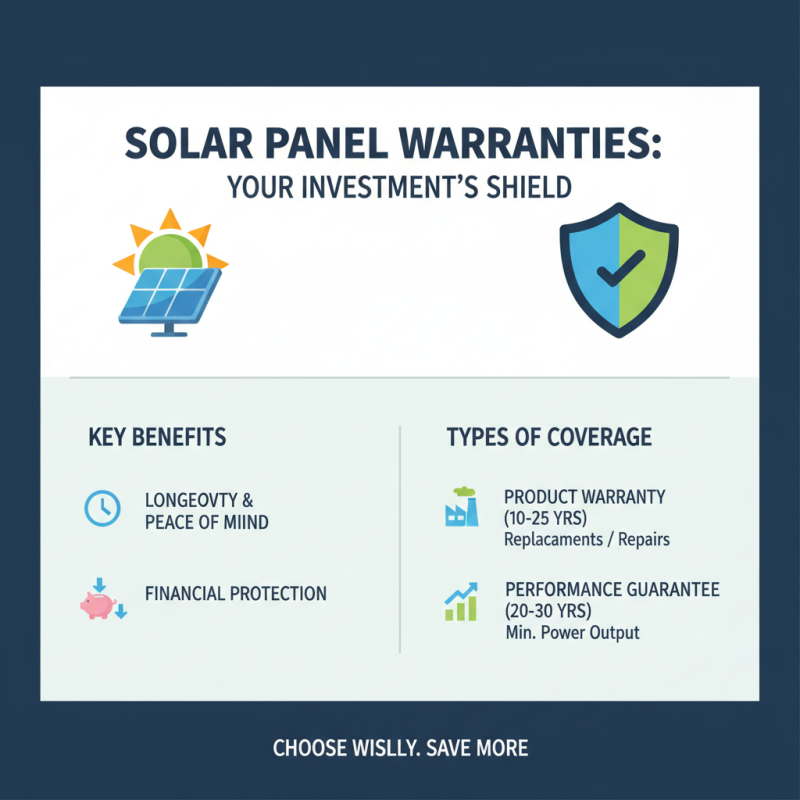
When selecting solar panels, warranties are crucial. A good warranty ensures the longevity of your investment. Many panels come with warranties ranging from 10 to 25 years. This coverage often includes performance guarantees and replacements. Consider what each warranty specifically covers. Some might only offer repairs, while others provide full replacements. Knowing this can save you money in the long run.
It's also beneficial to compare warranty claims among brands. Some brands might highlight their warranty lengths but may lack transparency about terms. Read the fine print. Check if the warranty is transferable to new homeowners. This feature can boost your home's resale value. A reliable warranty reflects the manufacturer's confidence in their product.
Pay attention to potential gaps in coverage. Some issues may not be included in the warranty, like damage from natural disasters. Always ensure that you choose a plan that suits your needs. Expanded coverage might seem costly, yet it could provide peace of mind. By analyzing these factors, you'll be better equipped to make a wise decision.
Assessing Installation Options and Local Incentives in Texas
Choosing the right solar panels for your home in Texas is essential. Installation options can vary greatly. Consider whether you want a full-service company or a DIY approach. A professional team can handle complex installations. However, DIY might save some money if you're handy.
Local incentives can significantly reduce costs. Texas offers various tax credits and rebate programs. Research these before making a decision. Check your eligibility for federal tax credits as well. Understanding these incentives can lead to substantial savings.
Tips: Always get multiple quotes. This helps you find the best price. Consider the long-term value of your investment. Cheaper panels may not last or perform as well. Think about your energy needs now and in the future. If your household grows, so will your energy demands. Don't rush; take your time to assess all options.
Comparison of Solar Panel Efficiency in Texas