Get Solar Qualified With Our Smart Calculator!
GET ESTIMATE!Choosing solar panels in Florida in 2026 means looking beyond the sunny forecast. Heat, humidity, salt air, and strong storms can affect equipment and long-term performance. The best system is not automatically the one with the highest rated output. Roof age, afternoon shade, panel temperature ratings, and installation quality matter too. Small details add up.
Before comparing quotes, review a year of electric bills and note when your household uses the most power. Ask installers to show expected production month by month, not just an annual total. Check product and workmanship warranties, and ask how panels and mounting hardware are tested for local weather conditions. If your roof has older shingles or heavy tree cover, address those issues before signing. A rushed estimate may miss them.
Compare at least two detailed proposals for solar panels florida, including equipment models, estimated system size, projected savings, and any battery costs. Savings depend on your roof, energy use, financing, and the utility’s current rules, so treat sales projections as estimates rather than promises. Confirm local permitting and utility-connection steps with qualified professionals; requirements can vary by location and change over time. Batteries may help during outages, but they add cost and do not guarantee backup for every appliance. That trade-off deserves a careful look. I would not choose from price alone; even a polished proposal can leave important questions unanswered. The goal is a system that fits your home, your budget, and your expectations in Florida’s demanding climate.
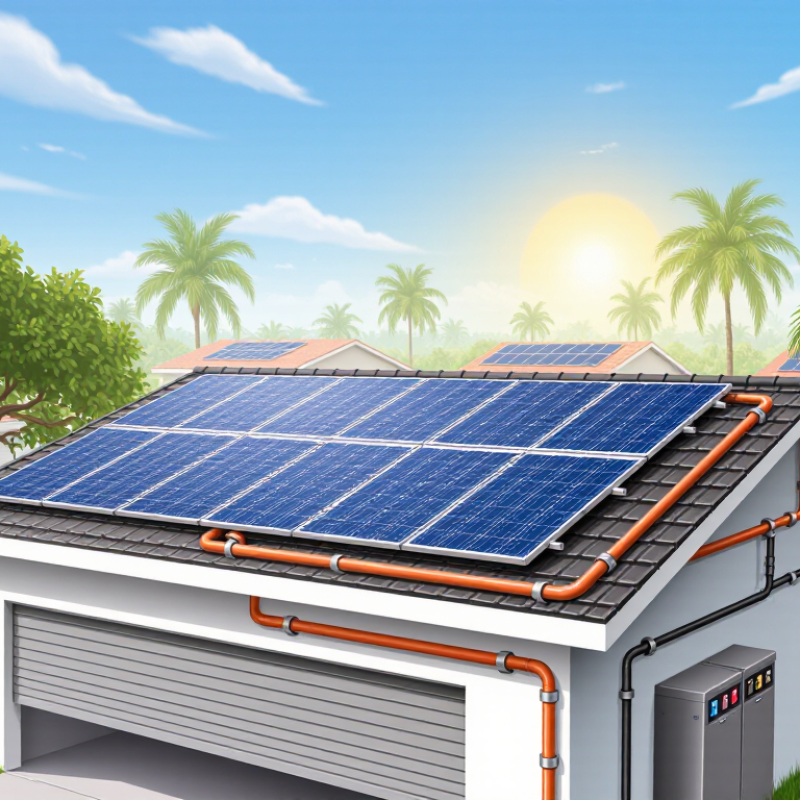
Florida sunshine can make a roof look ideal for solar, but sunlight alone does not tell the whole story. Watch the roof across a typical day. A tall oak may shade one section in the morning, while a neighboring building casts afternoon shadows. South-facing roof areas often receive strong sun, but east- and west-facing sections may also work. A site assessment can measure shade throughout the year, not just on a clear afternoon.
Check the roof before comparing panel options. Look for curling shingles, loose flashing, water stains in the attic, or sagging areas. Florida’s heavy rain, humidity, and storm winds make roof condition especially important. If repairs or replacement are likely soon, completing them before installation may avoid extra work later. Coastal homeowners should also ask how salt exposure and wind loading are considered for their location. Small details matter.
Review your electric bills to understand how much power your household uses and when demand rises. Air conditioning can drive summer consumption, though your own usage pattern may differ. Do not assume a large roof means a large solar system will suit your home. Tree growth, vents, roof age, and electrical equipment can limit usable space. Some estimates may look neat on paper and still miss a stubborn patch of afternoon shade. A qualified local assessment, paired with a careful roof inspection, gives you a more realistic starting point.
In Florida, compare panel types by how they perform on your roof, not just by their rated efficiency.
Monocrystalline panels commonly offer strong output from limited roof space, while thin-film options may suit some lightweight or irregular installations. Their lower efficiency can mean needing more area for similar production.
Panel labels alone do not tell the whole story. Look for the temperature coefficient: summer heat can reduce output, even under bright sun. Roof airflow and shade from nearby palms also matter.
That matters.
Check the fine print. Review documented mechanical-load ratings and test certifications, then ask how they apply to your home’s roof and local permitting requirements.
Wind exposure varies by location and installation details, so a panel rating is not a promise that an array will withstand every storm. Coastal homes should also consider corrosion resistance for exposed mounting hardware.
Hail ratings may help with comparison, but Florida buyers should give wind, moisture, and heat close attention. A high-efficiency panel may look like the obvious choice; still, its value depends on usable roof area, installation cost, and expected production.
I would compare product documents with a qualified installer’s site assessment, rather than treating one number as decisive.
The documents can be confusing. Ask for clarification.
Florida system sizing should start with actual bills, not roof area alone. The U.S. Energy Information Administration reported average Florida household electricity use of about 1,110 kWh per month in 2022. That is roughly 13,300 kWh annually, but air-conditioning habits and pool pumps can shift a home’s use substantially. Check twelve months of bills and note seasonal peaks.
For a rough illustration, an unshaded 8-kW system in Florida might generate around 11,000–13,000 kWh yearly. Treat that as a planning range, not a promise. The National Renewable Energy Laboratory’s PVWatts calculator models output using a specific location, system design, and weather data. Enter your address and compare the estimate with your annual use. Roof direction, shade from palms, and summer storms matter. Small details add up.
Savings depend on how much solar power the household uses directly and how the utility credits exported energy. If 10,000 kWh offsets electricity priced at $0.15 per kWh, the avoided energy charge would be about $1,500 yearly, before fixed fees. Panels don’t erase every bill. Utility rates and export terms can change, so verify them before estimating payback. A little uncertainty belongs in the spreadsheet.
Illustrative planning estimates for Florida homes. Match a system to your annual electricity use, usable unshaded roof area, and utility rules—not just the number of panels.
| Typical Monthly Electricity Use | Annual Household Use | Suggested System Size | Approx. 400-Watt Panels | Estimated Annual Solar Output | Estimated Annual Usage Offset | Illustrative Annual Bill Savings |
|---|---|---|---|---|---|---|
| 900 kWh | 10,800 kWh | 6.5 kW | About 17 | About 9,750 kWh | About 90% | About $1,120 |
| 1,200 kWh | 14,400 kWh | 8.5 kW | About 22 | About 12,750 kWh | About 89% | About $1,470 |
| 1,500 kWh | 18,000 kWh | 10.5 kW | About 27 | About 15,750 kWh | About 88% | About $1,810 |
How to interpret these estimates: Annual output assumes approximately 1,500 kWh per installed kW per year, a reasonable planning estimate for many Florida locations; actual production varies with location, roof direction, shade, weather, equipment, and system design. Savings use an illustrative value of $0.115 per solar kWh, assuming a mix of electricity used in the home and exported to the grid. Your utility’s export-credit rules, electricity rates, fixed charges, and household usage patterns can change the result. Obtain a site-specific production estimate and confirm current utility terms before choosing a system.
In Florida, a low quote means little if the installer cannot explain who designs the system and pulls permits. Check the company’s active Florida license through the Department of Business and Professional Regulation. Ask whether its own crew or subcontractors will work on your roof. NABCEP certification can indicate relevant training, but it does not replace state licensing. Request recent local references, proof of insurance, and a sample permit package. Small details matter. A neat roof plan should show panel placement, conduit routes, and attachment points.
Compare written quotes using total cash price and price per watt, with panels, inverter, permitting, and electrical work itemized. EnergySage’s 2024 Solar Marketplace Intel Report put the national median quoted price at $2.80 per watt in 2023. That figure is a comparison point, not a Florida price guarantee; roof repairs or batteries can change the total. Check separate warranty terms for equipment, labor, roof penetrations, and promised energy production. Ask who handles a claim if the installer closes. Florida storms make wind-load documentation worth reviewing, not just the panel brochure. Quotes can still mislead. I would question any proposal that hides exclusions or treats estimated savings as guaranteed.
How to Choose Solar Panels in Florida in 2026?
Florida permits, utility rules, and incentives can shape a solar project as much as panel choice. Permit requirements vary by city and county. Ask the local building department what electrical, structural, and roof plans it needs. A permit review may flag roof loading, wind resistance, or equipment placement. Keep the approval and inspection records; your installer should explain each step.
Your utility’s interconnection rules matter before the system is switched on. Check its application process, meter requirements, export compensation, and any limits on system size. Rates and policies differ, so a neighbor’s bill is not a reliable forecast. Also verify current 2026 incentives with official state, local, utility, and federal sources. Florida has solar-related tax provisions, but eligibility and details matter. Do not assume a federal residential credit applies to a 2026 purchase. A polished savings estimate can still miss fees or changing rules.
Tips: Get permit and utility requirements in writing before signing. Compare the proposed system with your recent electric bills, not just a sunny-day estimate. Ask who handles inspections and interconnection paperwork. Small details matter. Recheck incentive rules near purchase time; dates and eligibility can change.
Florida incentives to check before comparing solar quotes
What the chart shows: Qualifying solar equipment is exempt from Florida sales tax, and qualifying residential solar devices are exempt from property tax on their added assessed value. The federal residential clean energy credit is 0% for expenditures after December 31, 2025, under current law. These percentages describe different tax rules—not total project savings.
Before you buy: Check your local building and electrical permit requirements, then confirm your utility’s interconnection process and current net-metering terms. Permit rules and utility credits can vary by location and utility.
Sources: Florida Statutes §§ 212.08(7)(hh) and 196.182; IRS guidance on the Residential Clean Energy Credit. Verify current requirements with your local building department and utility.
© 2025 All Rights Reserved