What is the Best EV Charger Wall Plug for Home Use?
In recent years, the rise of electric vehicles (EVs) has led to a growing demand for efficient charging solutions at home. The Ev Charger Wall Plug is at the forefront of this evolution, providing convenience and speed for users. According to a report by the International Energy Agency, global electric car sales reached 6.6 million units in 2021, reflecting a 108% growth from the previous year. As more consumers transition to electric cars, the need for optimal home charging solutions becomes critical.
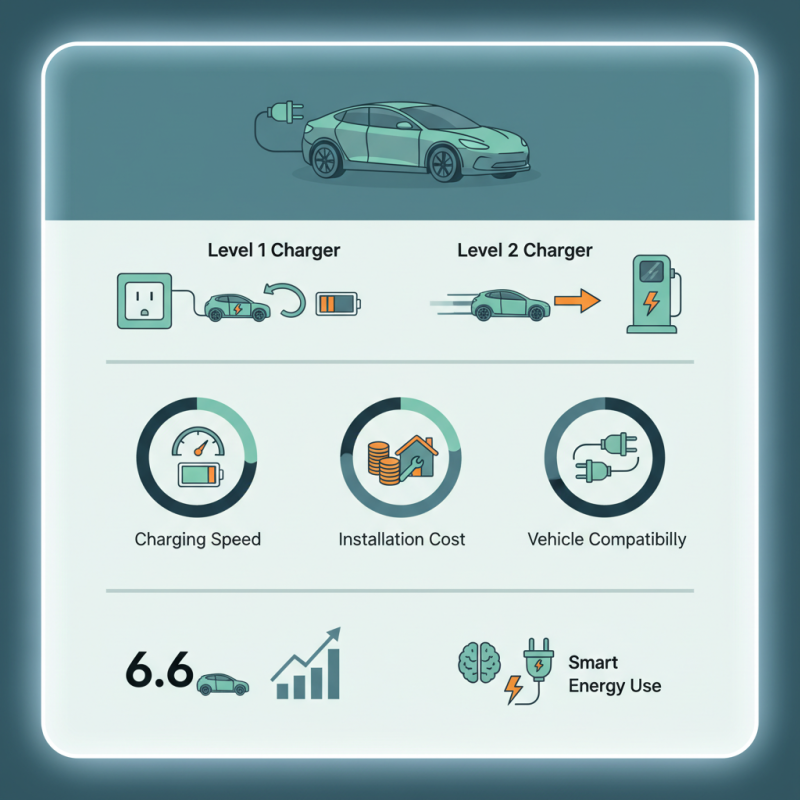
Industry expert Dr. Emily Carter notes, "Choosing the right EV Charger Wall Plug can significantly enhance your charging experience." Her insights underline the importance of selecting a charger that suits your lifestyle and vehicle requirements. With various options available, ranging from Level 1 to Level 2 chargers, factors like charging speed, installation cost, and compatibility should be carefully considered.
While many consumers are eager to install chargers, some may overlook essential aspects like amperage and connector types. Making an informed choice ensures that the EV Charger Wall Plug not only fits your car but also promotes efficient energy usage. It's important to recognize that not all chargers are created equal, and understanding these differences can lead to a more satisfactory charging experience.
Types of EV Charger Wall Plugs Available for Home Use
When choosing an EV charger wall plug for home use, it's essential to consider the types available. Level 1 chargers are the simplest option. They use a standard 120V outlet. Installation is easy, requiring no additional equipment. However, the charging speed is slow, providing only four to five miles per hour. This may not be suitable for daily drivers who need quicker recharges.
Level 2 chargers are more efficient. They operate on a 240V outlet and can significantly reduce charging time. These chargers can add up to 25 miles of range in just one hour. Installation requires professional help, which can increase costs. Not all homes are equipped to handle the power requirements. Homeowners may need electrical upgrades. This is a consideration that can lead to frustration.
There are also smart chargers available. These can connect to your home Wi-Fi. Users can monitor charging sessions via an app. This feature may be beneficial, especially for tech-savvy individuals. However, not everyone values this convenience. Sometimes, simpler options work better for those who prefer straightforward solutions. Weight the benefits against costs and practicality to find the best fit.
Factors to Consider When Choosing an EV Charger Wall Plug
When choosing an EV charger wall plug for home use, several factors come into play. One key consideration is the charging speed. Different plugs support varying charging rates. Think about your daily driving habits. If you often take long trips, a faster charger may be necessary. However, if you mostly drive short distances, a standard charger could suffice.
Another important factor is compatibility. Ensure that the charger is compatible with your electric vehicle. Some chargers work well with multiple car brands, while others may not. Consider your current vehicle and any future ones you might purchase. Measurement of the installation space is crucial, too. Not all homes can accommodate every charger type.
Lastly, reflect on safety features. Overheating and electrical surges can be serious issues. Look for chargers that include built-in safeguards. Check the warranty and support options as well. Sometimes, faults can arise after installation. It’s essential to have reliable customer service available. Balancing these factors will help you select the right charger for your needs.
Comparison of Different EV Charger Wall Plugs - Charging Speed and Features
Top Brands and Models of EV Charger Wall Plugs for Home Installation
When choosing the best EV charger wall plug for home use, it's essential to consider various factors. Some popular brands and models offer different features. Many models provide fast charging capabilities, while others emphasize ease of installation. Pick one that suits your home and vehicle needs.
Consider the power output. Chargers typically range from 3.3 kW to 22 kW. If your vehicle supports faster charging, a higher kW model may save you time. However, not all homes have the electrical infrastructure for these options. You might need an upgrade, which could increase installation costs.
Tips: Evaluate your home’s voltage supply. Check your circuit capacity to avoid overloading. A professional electrician can help ensure safety. Also, think about future-proofing. Charging technologies are advancing, so choose a model that can adapt over time. Maybe reflect on your driving habits. If you frequently travel long distances, investing in a more robust charger may be wise.
In short, research is key. Read reviews and talk to other EV owners. Their experiences can guide your decision, helping you choose the right wall plug.
Installation Requirements and Safety Considerations for EV Chargers
When installing an EV charger at home, safety is key. Ensure the location is away from water sources. Adequate ventilation is necessary to avoid overheating. Check your garage or parking space for suitable wall spots. Install the charger at a height that is easy to reach. This can reduce strain and increase convenience.
Wiring and circuit requirements matter. Use appropriate gauge wires to handle the load. A dedicated circuit breaker is essential for safety. Update your home electrical panel if necessary. Avoiding shortcuts can prevent potential hazards. It’s also wise to consult with a qualified electrician. They can ensure compliance with local codes.
Be aware of future needs. You might upgrade or add chargers. Flexibility can save time and costs later. Invest in quality connectors and components. This might be a bit pricier upfront but saves money in the long run. Don’t rush the planning stage. It's crucial to design a reliable setup.
Maintenance Tips for Maximizing the Lifespan of Your EV Charger
Maintaining your electric vehicle (EV) charger is crucial for its longevity. Regular checks on cable integrity are essential. Look for signs of wear or fraying. A damaged cable can pose safety risks and reduce charging efficiency. According to industry research, a well-maintained charger can last up to 10 years, while neglect can cut its lifespan significantly.
Cleaning the charging port is another important task. Dust and debris can cause poor connections. Use a soft cloth and mild cleaner for this purpose. You should also check for software updates. Some chargers have smart features that require regular updates. Keeping your charger current can enhance its performance and reliability.
Overheating is a common issue with EV chargers, especially in hot climates. Ensure your charger has proper ventilation. Installing it in a shaded location can be beneficial. Furthermore, avoid using extension cords, as they may contribute to overheating. By taking these simple steps, you can maximize the lifespan of your charger.
What is the Best EV Charger Wall Plug for Home Use? - Maintenance Tips for Maximizing the Lifespan of Your EV Charger
| Charger Type | Power Output (kW) | Charging Time (Hours) | Features | Maintenance Tips |
| Level 1 Charger | 1.4 kW | 8-20 Hours | Portable, Easy Installation | Keep the plug dry, avoid excessive use of extension cords. |
| Level 2 Charger | 3.7 - 22 kW | 3-8 Hours | Faster Charging, Smart Features | Regularly check wiring, keep the area free of debris. |
| DC Fast Charger | 50 - 350 kW | 20-40 Minutes | Rapid Charging, Ideal for Networks | Ensure proper ventilation, avoid overcharging. |