Get Solar Qualified With Our Smart Calculator!
GET ESTIMATE!In recent years, the adoption of a home solar power system has become increasingly popular. According to energy expert Dr. Emily Carter, "A home solar power system not only reduces electricity bills but also empowers homeowners to contribute to a greener planet." This technology allows families to harness the sun’s energy and reduce their carbon footprint.
A home solar power system offers numerous benefits, including energy independence and lower utility costs. Homeowners can produce their own electricity, decreasing reliance on fossil fuels. However, not everyone may initially understand the long-term savings on energy bills. Some may worry about installation costs or maintenance challenges.
Investing in a home solar power system requires careful consideration. There are various factors like location, roof condition, and local regulations that can affect the system's efficiency. It is essential for homeowners to evaluate their unique situations before making a commitment. Nevertheless, the potential for a sustainable lifestyle is undeniable.
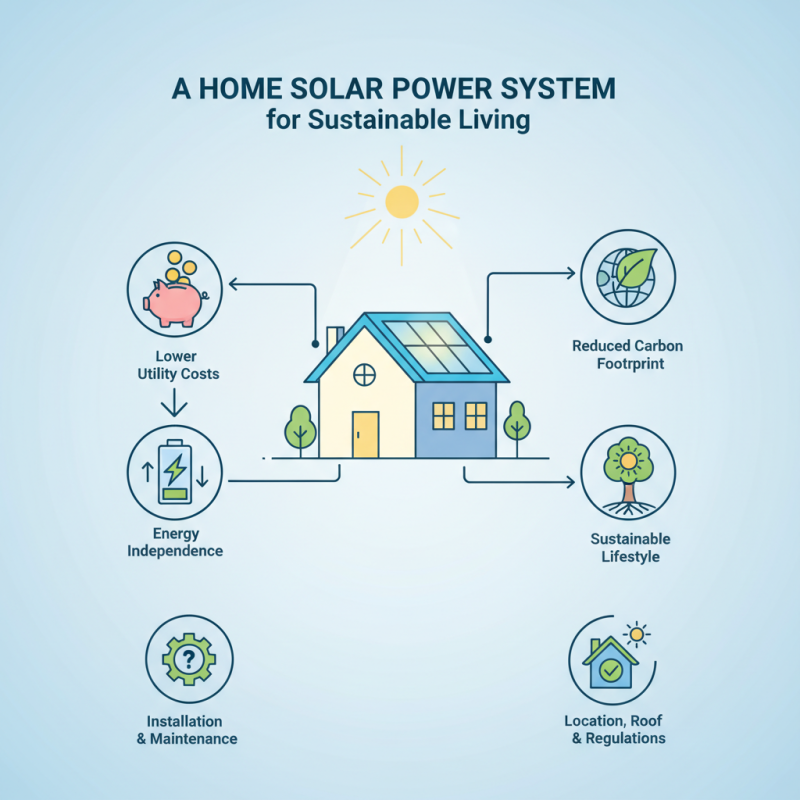
Home solar power systems are gaining popularity among environmentally conscious homeowners. These systems convert sunlight into electricity. The technology behind solar panels has improved. This makes them more efficient and accessible for everyday use. A well-installed system can significantly reduce energy bills. Homeowners often notice the difference within months.
Understanding solar power systems is essential for making informed decisions. They consist of solar panels, inverters, and batteries. Each component plays a vital role. Solar panels capture sunlight. Inverters convert the captured energy into usable electricity. Batteries store excess energy for use during cloudy days or at night. However, not all homes are suitable for solar. Factors like roof orientation and shading can affect efficiency.
Investing in solar energy also comes with challenges. Initial costs can be high. Some might hesitate due to uncertain long-term benefits. Additionally, maintenance is required to keep the system functioning optimally. Periodic cleaning and inspections can accumulate costs. These challenges require homeowners to carefully consider their commitment to a sustainable energy future.
Home solar energy systems offer significant environmental benefits. They help reduce greenhouse gas emissions, a key factor in climate change. According to the U.S. Environmental Protection Agency, solar power can cut down carbon dioxide emissions by up to 90% compared to traditional energy sources. This reduction plays a crucial role in mitigating global warming and improving air quality.
Moreover, solar power systems contribute to sustainable living by minimizing reliance on fossil fuels. A report by the National Renewable Energy Laboratory highlights that shifting to solar can save millions of tons of coal and oil annually. This change can lead to cleaner rivers and less habitat destruction caused by mining activities.
However, the production and disposal of solar panels present challenges. Manufacturing processes can be energy-intensive and may generate toxic byproducts. Despite these issues, the net positive impact of solar energy on the environment remains clear. Households adopting solar power contribute to a more sustainable future.
The transition is vital for promoting renewable energy and safeguarding ecosystems worldwide. Individuals must weigh the benefits against the environmental costs. Balancing these factors is essential for truly sustainable living.
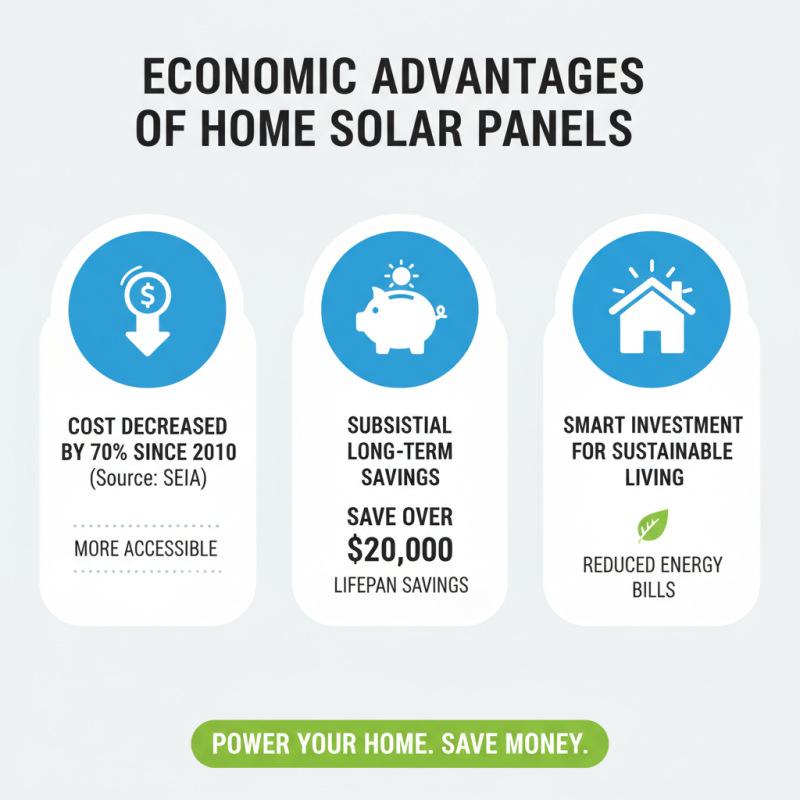
Home solar power systems offer notable economic advantages, making them an attractive choice for sustainable living. According to the Solar Energy Industries Association (SEIA), the cost of solar panels has decreased by about 70% since 2010. This decline has made solar energy more accessible to homeowners. Investing in solar can lead to substantial long-term savings on energy bills. Estimates suggest that a typical homeowner can save over $20,000 during the system's lifespan.
Moreover, many regions provide incentives for installing solar systems. Tax credits or rebates can significantly reduce the upfront costs. For example, the federal solar tax credit allows homeowners to claim 26% of their installation costs on their taxes. Such financial assistance enhances the return on investment. Despite these benefits, some homebuyers remain hesitant. Concerns about maintenance costs or property value impacts may cloud their judgment.
Additionally, solar panel systems can increase a property's resale value. A study from the Lawrence Berkeley National Laboratory suggests that homes with solar energy systems sell for an average premium of $15,000 more than comparable homes without solar. While these financial benefits are compelling, potential owners should evaluate their energy needs and local regulations. The journey to sustainable living can be influenced by both economic factors and personal circumstances.
Solar power systems offer a pathway to energy independence. By harnessing sunlight, homeowners can reduce their reliance on traditional energy sources. According to the U.S. Energy Information Administration, residential solar capacity has increased significantly, showing a rise of 49% from 2020 to 2021. This demonstrates the growing trend toward sustainable living.
Investing in solar not only cuts energy costs but also protects against fluctuating prices. In regions with high sunlight exposure, households can produce more energy than they consume. Some reports suggest that solar energy can eliminate up to 80% of electricity bills. However, it’s worth noting that initial installation costs can be substantial and may deter potential users.
Tips: Maximize your energy independence by choosing the right solar panel setup for your home. Research installation services thoroughly to find a reliable provider. Consider joining community solar programs if upfront costs seem daunting. Even small changes, like investing in energy-efficient appliances, can make a difference. Remember, achieving full independence may take time and effort. But every step counts toward a sustainable future.
The chart above illustrates the top benefits of a home solar power system for sustainable living. Each benefit is rated on a scale from 1 to 10, emphasizing the significant advantages such as energy independence and positive environmental impact.
Investing in a home solar power system offers a path toward sustainable living. Key to this journey is understanding the long-term sustainability of solar systems. They rely on sunlight, a free and abundant resource. However, proper maintenance is essential. Dust and debris can reduce efficiency. Regular cleaning and inspection can prevent costly repairs later.
Over time, solar panels may degrade. Most panels have a lifespan of around 25 years. After this, their efficiency drops significantly. Homeowners should monitor performance continuously. If output decreases, it might indicate issues. Replacing or repairing parts can be costly, so awareness is crucial.
The environmental impact of solar systems is significant, but challenges exist. Battery storage systems require rare materials, affecting sustainability. It's vital to evaluate all aspects carefully. Investing in solar energy is beneficial, but it comes with responsibilities. Reflection on long-term commitment can guide homeowners in making informed decisions.
| Benefit | Description | Long-Term Sustainability | Maintenance Considerations |
|---|---|---|---|
| Reduced Energy Bills | Solar power systems can significantly lower monthly utility costs. | Savings build over time; systems can pay for themselves in several years. | Minimal maintenance required; occasional cleaning may be needed. |
| Environmental Impact | Solar energy reduces carbon footprint and dependence on fossil fuels. | Promotes sustainable living and contributes to a cleaner environment. | Long lifespan of solar panels contributes to reduced waste. |
| Energy Independence | Homeowners can generate their own electricity, reducing reliance on local grids. | Stable energy source, especially in remote areas. | Regular system checks can ensure efficiency and longevity. |
| Increase Property Value | Homes with solar installations can attract buyers and fetch higher prices. | Investment in solar can provide excellent returns at resale. | Solar systems can often add long-term value to properties. |
| Government Incentives | Many regions offer subsidies or tax credits for solar installation. | Incentives help offset upfront costs, making solar more accessible. | Documentation for incentives must be managed carefully. |
© 2025 All Rights Reserved