2026 Top Trends in Solar Power System Innovations and Technologies?
The solar power system is rapidly evolving. Innovations in technology are pushing the boundaries of what is possible. In 2026, expect to see significant trends that will shape the future of solar energy.
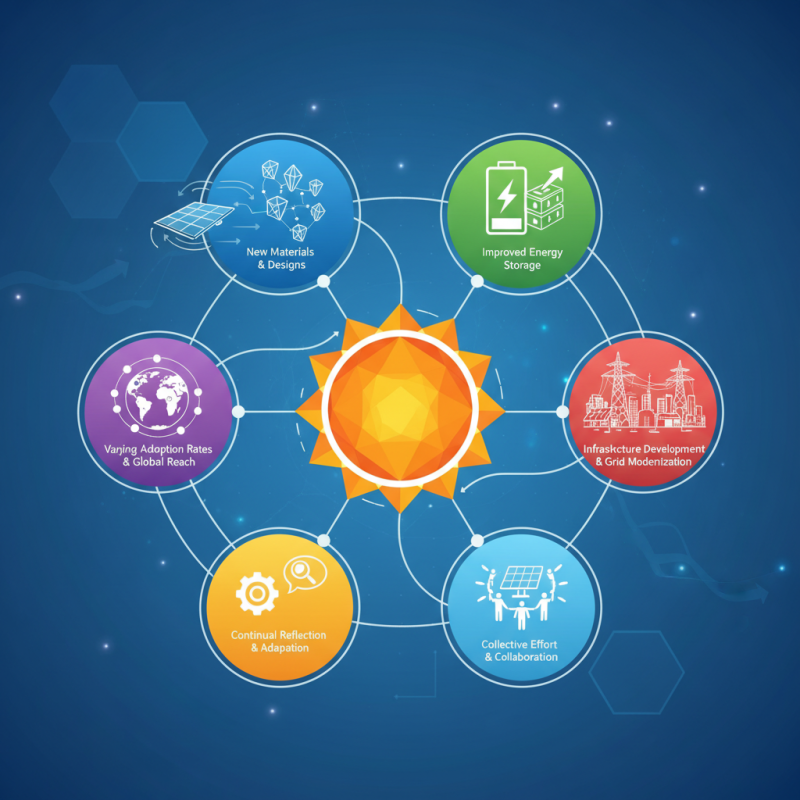
New materials and designs are emerging in solar power systems. These advancements aim to increase efficiency and reduce costs. Innovative solar panels will harness more sunlight than ever before. Improved energy storage solutions are also on the horizon. This is crucial for maximizing usage and reliability.
However, the journey is not without challenges. Adoption rates vary across regions. Infrastructure development remains a complex issue. These aspects highlight the need for continual reflection and adaptation. Embracing change in solar power systems requires a collective effort. It will take time to fully realize these trends. The solar power system landscape will be dynamic and exciting in the coming years.
Emerging Photovoltaic Materials and Their Impact on Efficiency
Emerging photovoltaic materials are reshaping the solar energy landscape. Traditional silicon-based solar cells dominate the market, accounting for roughly 90% of installations. However, new materials like perovskites are gaining traction. According to a report from the International Energy Agency, these materials can potentially boost efficiency rates beyond 25%. They offer a cheaper alternative, too, reducing overall production costs.
Perovskite technology raises exciting possibilities, yet it is not without challenges. Stability remains a concern. The lifespan of perovskite cells is shorter compared to silicon, often deteriorating under environmental stress. Some studies suggest they may last only five years, a significant drawback. Research continues to explore ways to enhance their longevity.
Another emerging area is bifacial solar panels. These panels capture sunlight from both sides, increasing energy generation by up to 30%. This innovation shows promise in maximizing performance. Still, implementation costs can be high, and not all locations benefit equally. Addressing these disparities is crucial to ensure widespread adoption and efficient energy harvesting.
Advancements in Solar Energy Storage Technologies for Enhanced Performance
In recent years, advancements in solar energy storage technologies have transformed the renewable energy landscape. Energy storage solutions, like batteries, are crucial for maximizing the efficiency of solar power systems. These innovations allow excess energy generated during the day to be stored for use at night or during cloudy days. This flexibility enhances reliability.
New developments in battery materials are promising. Solid-state batteries, for instance, show potential for higher energy density. However, production costs remain a barrier. Current manufacturing processes can be complex and expensive, limiting widespread adoption. There is also a need for better recycling methods for older battery technologies to reduce environmental impacts.
The integration of artificial intelligence into energy storage systems is intriguing yet complicated. AI can optimize energy usage patterns and predict when to store or release energy. Yet, relying on technology has its flaws. Optimization algorithms can sometimes fail, leading to inefficiencies. It’s essential to balance innovation with practical applications and ethical considerations. Energy independence is the goal, but there is much to learn and improve upon.
Innovations in Solar Panel Design to Optimize Space and Energy Capture
Innovations in solar panel design are transforming how we capture energy.
Modern panels are becoming lighter
and more efficient. This means they can fit in tight spaces and still perform well.
New materials like bifacial solar cells are gaining traction. These cells capture sunlight on both sides, maximizing energy output.
Tips: Consider your roof type before installation. Certain designs work better on uneven surfaces.
Heightened performance comes from smart positioning.
Gradient layouts allow for optimized sunlight exposure throughout the day.
Another exciting trend is the integration of solar panels into building materials.
Solar shingles and windows now generate electricity while serving their traditional functions.
This dual purpose is an effective use of space. More environments can leverage solar energy,
from small homes to commercial buildings.
Not all innovations are perfect. Some designs may reduce aesthetics or lead to more maintenance.
Balancing efficiency and appeal can be challenging.
It's essential to research and explore options before committing to a design.