2026 Top Solar Installation Trends for Global Buyers?
As the world pivots towards renewable energy, solar installation emerges as a pivotal solution. The growing demand for sustainable energy sources drives innovation across the solar industry. Buyers worldwide are keenly observing trends to make educated choices.
In 2026, significant shifts in technology and consumer preferences will shape solar installation. For instance, advancements in solar panel efficiency offer remarkable opportunities. Moreover, integrating smart technologies can enhance energy management. As buyers navigate these trends, it is essential to consider varying local regulations and market dynamics.
Buyers may also face challenges. The fluctuation of materials can impact costs. Additionally, choosing a reputable solar installation service is crucial but often confusing due to the multitude of options. Understanding these emerging trends is vital for making informed decisions. Engaging with professionals in the field can provide insights into this evolving landscape. Exploring these developments equips buyers to act strategically in their clean energy journey.
Emerging Technologies Shaping Solar Installations in 2026
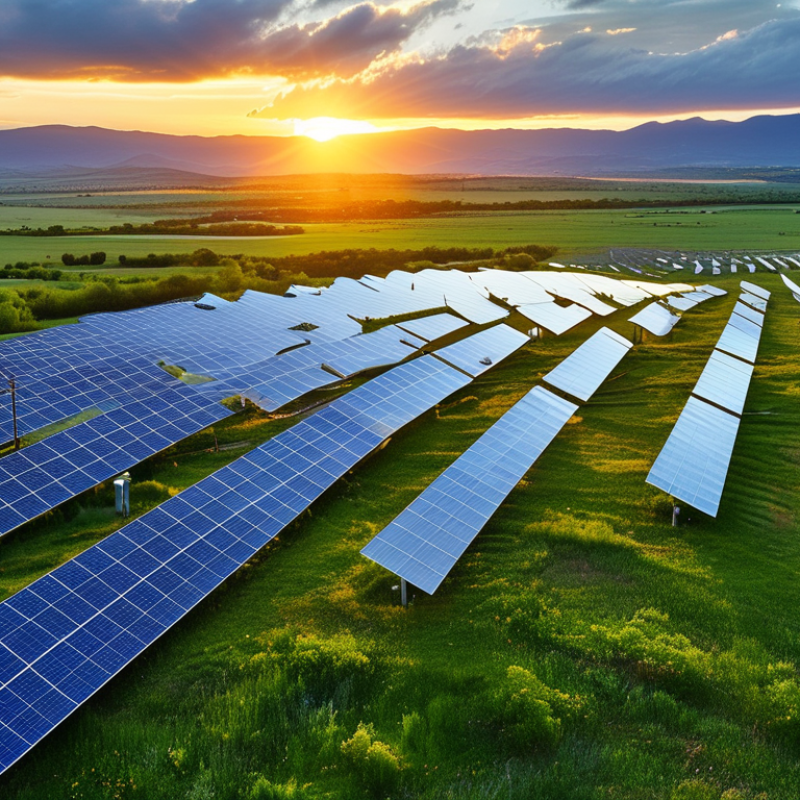
As we approach 2026, solar installation trends show promising growth influenced by emerging technologies. Reports from the International Energy Agency indicate that global solar capacity could surpass 1,500 GW by 2026. This shift highlights the commitment to solar energy as a primary renewable resource.
Innovative technologies like bifacial solar panels and smart inverters are reshaping installation practices. Bifacial panels, which capture sunlight from both sides, can enhance energy generation by 20% or more. Moreover, smart inverters enable better energy management and integration with the grid. The global market for solar technology applications is projected to grow at a CAGR of 15% through 2026. This rapid evolution demands an agile approach to installation and maintenance.
**Tip:** When considering solar options, assess not just the installation cost, but the long-term energy yield. Efficiency improvements often offset initial expenses.
Some challenges remain. Current installation practices may not adapt quickly enough to these advancements. Training for installers may lag behind technology, impacting effectiveness. It's essential to promote skills development alongside technological growth.
**Tip:** Engage with local groups and workshops to stay updated on new skills and trends. Networking with industry experts can provide valuable insights into best practices.
2026 Solar Installation Trends Overview
Key Market Trends Influencing Global Solar Purchases
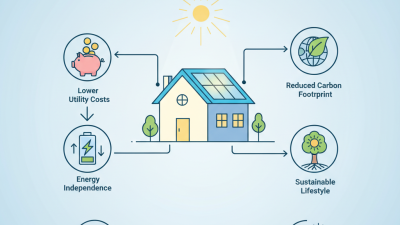
The solar installation market is evolving rapidly. Buyers are influenced by various key trends that shape their purchasing decisions. One significant trend is the rising demand for sustainable energy solutions. As climate awareness grows, consumers seek reliable solar options. They look for systems that not only save money but also reduce their carbon footprint. This shift is evident as homeowners and businesses invest in solar energy.
Technological advancements play a crucial role in this market. Innovations in solar panel efficiency, battery storage, and smart grid integration enhance the appeal of solar systems. Buyers now have access to better performance at lower costs. However, not all products meet these new expectations. This discrepancy can lead to frustration for consumers who desire advanced solutions.
The influence of government policies cannot be overlooked. Incentives, rebates, and tax credits encourage solar adoption. Global buyers are particularly aware of these benefits. Yet, navigating the complex landscape of regulations can be challenging. Policy changes can create uncertainty, causing hesitation among potential buyers. This dynamic environment requires ongoing education and adaptation for all stakeholders.
2026 Top Solar Installation Trends for Global Buyers
| Trend Category |
Descriptive Insights |
Projected Growth Rate |
Key Influencing Factors |
| Residential Solar Systems |
Increased adoption of solar panels in private households. |
15% CAGR |
Government incentives, energy independence. |
| Utility-Scale Installations |
Large solar farms supplying energy to the grid. |
10% CAGR |
Corporate PPAs, declining costs of solar technologies. |
| Solar Storage Systems |
Integration of battery storage to enhance solar efficiency. |
20% CAGR |
Energy management, technological advancements. |
| Increase in Solar Financing Options |
Emergence of new financial products for solar investments. |
12% CAGR |
Consumer demand, financial innovation. |
| Commercial Solar Adoption |
Businesses investing in solar power for operations. |
8% CAGR |
Cost savings, ESG commitments. |
Sustainability Practices in the Solar Industry for 2026
As we look ahead to 2026, sustainability practices will shape the solar industry significantly. The growth of solar energy is driven by increasing environmental awareness and regulatory pressures. In fact, according to a report from the International Renewable Energy Agency (IRENA), solar capacity is expected to surpass 2,000 GW by 2026. This rapid increase in capacity underscores the need for sustainable practices throughout the supply chain.
Sourcing materials responsibly is paramount. For example, lithium, used in solar battery production, often comes from regions with questionable sustainability standards. A shift towards recycling and sustainable sourcing can minimize these concerns. Reports suggest that transitioning to circular economy models could reduce raw material demand by up to 70%. However, only a handful of companies are currently implementing these practices thoroughly.
Moreover, carbon neutrality is a pressing goal. The Solar Energy Industries Association (SEIA) indicates that over 50% of solar businesses are aiming for net-zero carbon emissions by 2030. Although progress is being made, many firms still lack clear pathways to achieve these targets. This gap calls for a critical examination of current strategies and a commitment to more innovative solutions. Embracing this evolution in sustainability is essential for the industry's future, yet it still poses numerous challenges that demand our attention.
Innovative Solar Solutions for Residential and Commercial Use
The solar industry continues to innovate, shaping solutions for both residential and commercial users. In 2026, advancements in solar technology are aimed at improving efficiency and reducing costs. According to a report by the International Renewable Energy Agency, solar energy is projected to grow exponentially, contributing to around 30% of global electricity by 2030. This trend indicates a shift in how energy is generated, which highlights the reliability of solar systems.
Residential solar installations are embracing smart technology. Homeowners now seek solar panels that integrate with home automation systems. Features like real-time monitoring and energy storage solutions enhance user experience. A recent survey indicated that 70% of homeowners considered smart features essential when choosing solar systems. This suggests that innovation must address user needs, but not all products currently deliver optimal performance or integration.
Commercial sectors are adopting large-scale solar solutions. Many businesses aim to cut costs and meet sustainability goals. However, the complexity of installations and financing can deter adoption. A significant 40% of companies reported challenges in navigating these issues. Addressing these obstacles is crucial for encouraging widespread implementation. The industry can reflect on these needs to create more accessible, user-friendly options for buyers.
Regulatory Changes Impacting Solar Installations Worldwide in 2026
As the world transitions toward renewable energy, regulatory changes will play a pivotal role in shaping solar installations in 2026. Governments are reevaluating policies. This reassessment aims to streamline processes and enhance incentives for solar energy. Countries are adopting different approaches. Some implement stricter regulations, while others promote flexibility. These moves can create confusion for global buyers.
In some regions, energy targets are more ambitious than ever. This shift encourages investments in solar technology. However, potential loopholes might lead to uneven implementation. Quality control could be compromised if regulations lack enforcement. Buyers need to stay vigilant and understand local rules. Continuous education is crucial to navigate these shifts. Moreover, collaboration with local experts can provide clarity amid changes.
Investors and installers should keep an eye on these evolving regulations. A proactive approach to compliance will ensure smooth operations. Yet, some may face unexpected hurdles. Adapting to varying international policies can be challenging. There’s a need for robust frameworks to support scalable solutions. Awareness of these factors will be essential for successful solar installations in 2026.