2026 Best Guide to Cost of Solar Panel Installation Explained
As solar energy grows in popularity, understanding the cost of solar panel installation becomes crucial. Homeowners seek renewable options to lower energy bills. However, the costs can vary widely based on numerous factors.
The type of panels you choose, local labor rates, and installation complexity all impact your budget. Some might find the investment daunting. Others rejoice in long-term savings. It’s a bittersweet reality that the upfront cost can still feel overwhelming.
Additionally, not every home is suitable for solar panels, leading to difficult decisions for many. Exploring these factors helps clarify the overall expense of solar panel installation. This guide aims to illuminate the costs involved and assist you on this journey toward sustainability.
Understanding the Basics of Solar Panel Installation Costs
When considering solar panel installation, understanding the costs is crucial. Generally, costs vary based on factors like location, system size, and technology type. Homeowners might spend anywhere from $15,000 to $30,000 for a full installation. Installation can also depend heavily on incentives available in your area, like federal or state tax credits.
Tips: Research local incentives. These can significantly lower your upfront costs. You might also want to reach out to multiple contractors to get quotes. Don't settle for the first offer; prices can vary widely. Consider the terrain and roof orientation, which can impact installation costs. Complex roofs may add to expenses.
One point of reflection is hidden costs. These might include maintenance fees or potential repair costs later. It's essential to factor in these elements as they can affect long-term savings. Also, be mindful of your energy needs when choosing system size. Bigger isn't always better, especially if your consumption is low. Having an energy audit before installation could save you money.
Factors Influencing the Price of Solar Panel Installation
The cost of solar panel installation varies significantly based on several factors. Location is a key factor. For example, installation costs in urban areas may be higher due to increased labor expenses. According to the National Renewable Energy Laboratory (NREL), prices can vary by nearly 25% across different states. Local incentives also play a vital role. States with generous tax credits and rebates can lower overall costs significantly.
Another influential factor is system size. Larger installations often benefit from economies of scale. The Lawrence Berkeley National Laboratory found that homes with larger systems could see a lower per-watt cost. However, smaller systems might not enjoy this advantage, leading to higher costs per watt. This discrepancy often creates a challenge for homeowners assessing their energy needs against upfront expenses.
Equipment quality also impacts installation pricing. Higher-efficiency panels generally come with a premium. Some buyers might focus on initial costs without considering long-term savings. It’s essential to realize that choosing cheaper equipment could lead to higher maintenance costs or lower efficiency. Balancing initial investment with expected performance can be difficult, requiring careful evaluation.
2026 Best Guide to Cost of Solar Panel Installation Explained - Factors Influencing the Price of Solar Panel Installation
| Factors Affecting Cost |
Average Cost (USD) |
Impact on Price (%) |
| Panel Type (Monocrystalline, Polycrystalline) |
$1,000 - $1,500 per kW |
20% |
| Installation Complexity |
$1,000 - $2,000 |
15% |
| Location and Roof Type |
$500 - $1,500 |
25% |
| Inverter Type (String, Microinverters) |
$1,200 - $1,800 |
10% |
| System Size (kW) |
$14,000 - $20,000 |
30% |
| Government Incentives |
-$5,000 - $10,000 |
-20% |
| Warranties and Maintenance |
$300 - $600 per year |
5% |
Comparing Solar Panel Costs: Residential vs. Commercial Installations
When considering solar panel installation, costs vary significantly between residential and commercial projects. Residential installations typically range from $15,000 to $30,000. This price can change based on factors like system size and location. For homeowners, incentives and rebates may help offset these expenses. Smaller homes might benefit more from local programs aimed at encouraging solar adoption.
In contrast, commercial installations usually involve higher upfront costs. Businesses may spend anywhere from $50,000 to several million dollars, depending on their energy needs. The size of the roof and the energy usage directly influence these costs. Larger facilities often obtain better rates per watt. However, they must also consider the return on investment over time. Some businesses might struggle to find the right financing options, leading to delays.
Evaluating long-term savings is essential for both markets. Residential users should assess their energy bills. Comparing them to estimates for solar energy is crucial. Commercial users face a steeper challenge. They often juggle multiple financial projects. Gathering enough data for a sound decision can feel daunting. Reflecting on these factors can make a significant difference.
Financing Options for Solar Panel Installation Projects
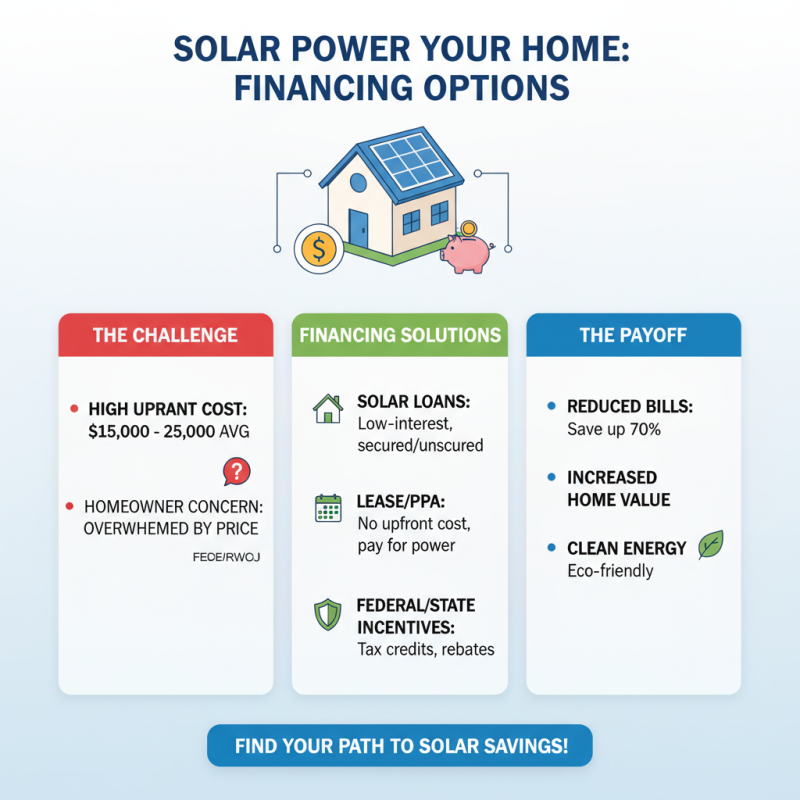
Solar panel installation is increasingly popular. However, financing remains a major concern. Many homeowners feel overwhelmed by costs. A recent Solar Energy Industries Association report indicates that the average residential solar system costs between $15,000 to $25,000. Yet, there are various financing options to consider.
One option is the solar loan. This allows homeowners to borrow money specifically for solar installation. According to the EnergySage Solar Marketplace, about 43% of solar buyers choose loans. They appreciate immediate ownership and potential savings from tax credits. Another popular choice is leasing. Here, homeowners pay monthly fees without ownership. However, long-term benefits may be lower compared to loans. Some contractors even offer Power Purchase Agreements (PPAs), where buyers pay for energy produced rather than equipment.
Consider the costs against monthly budgets. It's essential to evaluate which financing option aligns with financial goals. Many homeowners still ponder whether to finance or pay upfront. With various options, the decision can become complex. Analyze tax incentives, savings, and potential anxiety over long-term commitments. It's crucial to weigh all factors before deciding on solar investments.
Estimating Long-Term Savings from Solar Panel Investments
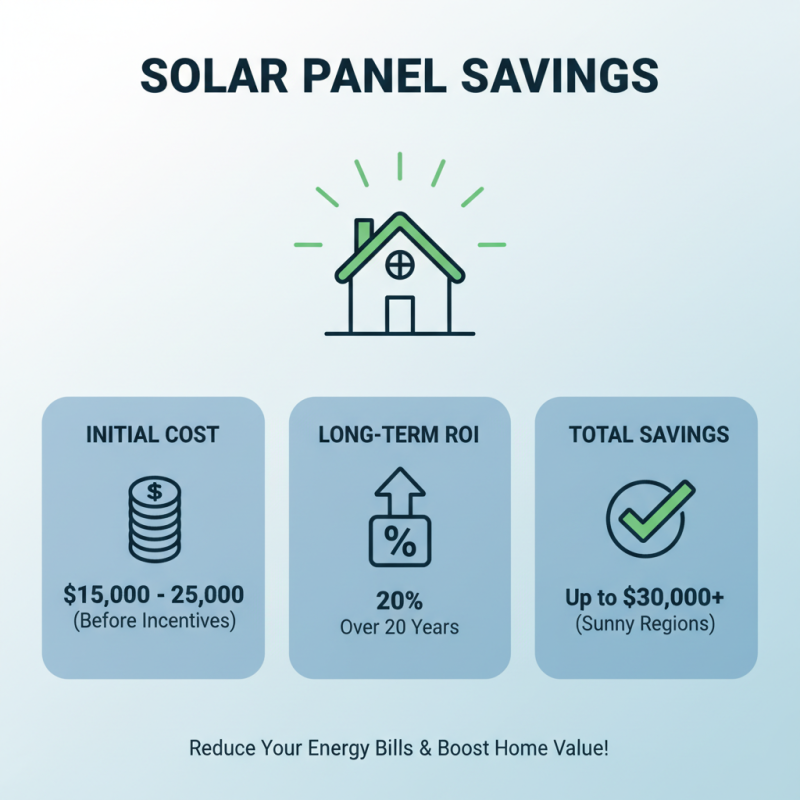
Estimating the long-term savings from solar panel investments involves careful analysis. According to industry data, homeowners can expect a return on investment of approximately 20% over a 20-year period. The initial costs of installation can seem high, averaging around $15,000 to $25,000. Yet, federal and local incentives can reduce this significantly. Homeowners in sunny regions may save more than $30,000 over two decades.
Understanding electricity bills is crucial. Many families see a decrease in their monthly payments. Some reports cite reductions as high as 50%. However, this varies based on energy use and local rates. All homeowners need to consider the changing costs of electricity. Bills can rise, making solar investments even more worthwhile over time.
Maintenance costs are another factor to evaluate. While solar panels generally require minimal upkeep, unexpected repairs can occur. Homeowners should be prepared for up to $500 in maintenance every few years. Despite these considerations, the potential long-term savings still often outweigh these costs. Going solar can change financial dynamics significantly for many households.