2026 Best Solar Installation Tips and Trends to Know
As the world increasingly embraces renewable energy, solar installation is gaining momentum. According to a recent report by the International Energy Agency (IEA), solar power capacity is set to increase by over 700 GW globally by 2026. This rapid growth presents opportunities as well as challenges in the solar installation sector. Companies need to adapt to new technologies and consumer demands.
The 2026 solar market will witness trends such as enhanced energy efficiency and the integration of smart technologies. Industry professionals highlight the need for rigorous training programs to address the skills gap in solar installation. However, many still lack access to quality training, which can hinder progress. Moreover, the increasing importance of certifications like ISO and CE cannot be overlooked, as they ensure reliability and quality in installations.
With a projected installation growth rate of 20% annually, the competition will intensify. Businesses must innovate to stay relevant, leading many to consider AI tools for optimized installation processes. Yet, transformation requires investment and commitment, and not all are willing or able to take that leap. In this evolving landscape, understanding best practices will be crucial for success.

Choosing the Right Solar Installation Type for Your Needs
When choosing the right solar installation type, consider your energy needs. Homeowners increasingly prefer
rooftop solar systems, which make up approximately 75% of installations in the U.S.,
according to the Solar Energy Industries Association. Ground-mounted systems are also popular, especially in rural areas.
They can generate more energy but require more space.
Tip: Assess your roof's angle and shading. A well-positioned
system can boost energy production by up to 30%. The effectiveness of solar panels depends
on sunlight exposure. If trees or nearby structures shade the roof, ground mounts may be a better option.
Energy storage is another key consideration. Battery systems have grown in popularity. They help homeowners use solar
energy during peak periods or outages. A recent report states that energy storage installations have increased by
over 200% year-on-year. However, the initial costs can be high, and battery life varies.
Tip: Research the lifespan of different storage options.
Some batteries last over 10 years, while others may require replacement sooner.
Consider your budget and long-term energy goals. It’s vital to weigh the installation type against your needs for both
efficiency and cost-effectiveness.
Understanding the Latest Solar Technologies and Innovations
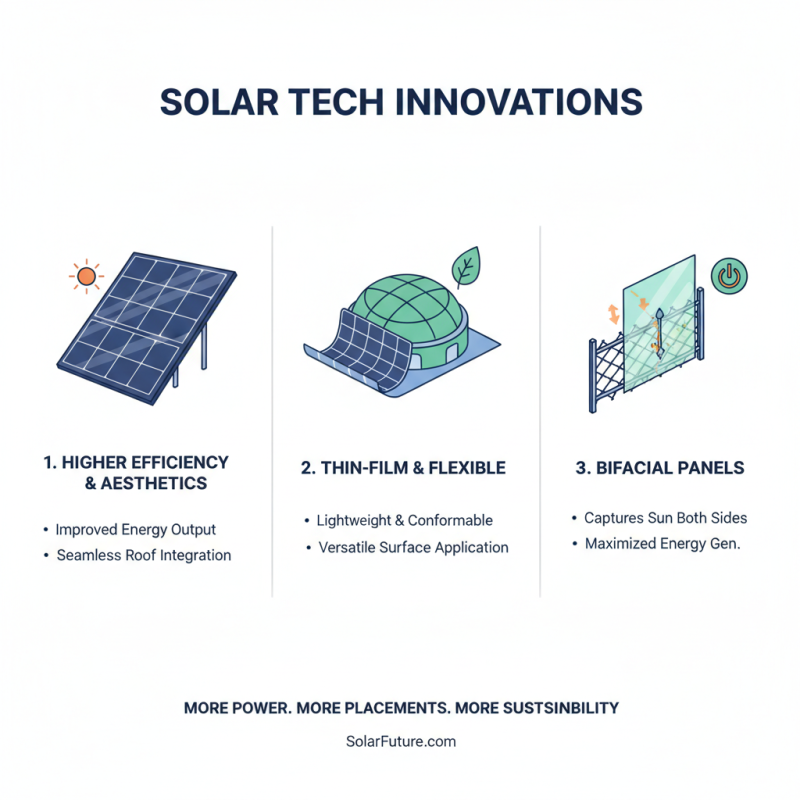
Solar technology is evolving quickly, making installations more efficient. Innovations in solar panels include higher efficiency rates and better aesthetics. Thin-film technology is becoming popular for its lightweight and flexible nature. This allows installation on various surfaces, making solar energy accessible for more buildings. Additionally, bifacial panels capture sunlight from both sides, maximizing energy production.
Battery storage is another exciting trend. Homeowners can now store energy for nighttime use, ensuring reliability. However, the installation process can be complex. Understanding energy consumption is crucial to choosing the right battery size. It’s essential to assess your energy needs carefully. Overestimating can lead to unnecessary costs.
Smart technology integration is a game-changer. Smart inverters and monitoring systems provide real-time data. They help users optimize energy usage and reduce costs. Yet, these systems can be tricky to set up and require some technical knowledge. Not everyone may find them intuitive at first. Taking the time to learn how these innovations work can pay off in the long run. Every step towards solar adoption brings challenges and learning opportunities.
Key Factors to Consider Before Installing Solar Panels
When considering solar panel installation, several key factors are crucial. The orientation and slope of your roof can significantly impact energy generation.
South-facing roofs typically absorb the most sunlight. If your roof is shaded by trees or other buildings, this could reduce efficiency.
Be sure to assess these elements carefully before making any decisions.
Another important consideration is your energy needs. Evaluate your electricity bills for the past year. Knowing your average monthly usage helps determine the size of the solar system you will need.
Many homeowners underestimate their energy consumption. This mistake can lead to insufficient power generation after installation. Additionally, think about future energy demands.
Will you add electric vehicles or new appliances? Planning ahead can save you from costly upgrades later.
Lastly, local regulations and incentives can affect solar installation. Research zoning laws, permits, and tax rebates available in your area.
These details may seem minor but can have a big impact. Overlooking them might complicate the installation process.
Take your time to understand these factors. A little research can drive better decisions and lead to a more successful solar project.
Top Trends in Solar Energy Market for 2026
As we look ahead to 2026, several key trends are shaping the solar energy market. One major trend is the increasing efficiency of solar panels. Innovative materials are improving energy absorption. This means more power generation from smaller installations. Homeowners can benefit from this trend. Less space is required, making solar more accessible.
Another trend is the growth of energy storage solutions. Battery technology is advancing rapidly. Home batteries can store solar energy for use at night. This provides energy independence. However, not all storage solutions are effective or cost-efficient. It's essential to research options carefully.
When considering a solar installation, think about location and sunlight exposure. Ideal spots maximize energy capture. Regular maintenance is also important. Clean panels work better. However, some homeowners neglect this. Remember, a small effort can lead to significant energy savings. Investing time in understanding these trends can make your solar journey smoother.
Maintenance Tips for Ensuring Optimal Solar System Performance
Solar energy systems require regular maintenance to ensure peak performance. Cleaning solar panels is crucial. Dust, dirt, and debris can significantly reduce their efficiency. A study by the National Renewable Energy Laboratory found that unclean panels can lose up to 25% of their energy output. Regularly rinsing them with water can keep your system functioning optimally.
In addition to cleaning, check the inverter and wiring. These elements are vital for system operation. If any part shows wear or damage, address it immediately. Industry reports indicate that timely maintenance can extend the system's lifespan by years. Some homeowners often overlook minor issues, which can lead to costly repairs.
Monitoring your system’s performance is also essential. Use monitoring tools to track daily output. If you notice a sudden drop in energy production, investigate the cause. Some homeowners might not understand how to interpret data properly. Seeking professional advice may be necessary. Remember, neglecting these aspects can undermine the investment in solar energy.